Lake Manyara National Park

Park Overview

Located beneath the cliffs of the Manyara Escarpment, on the edge of the Rift Valley, Lake Manyara National Park offers varied ecosystems, incredible bird life, and breathtaking views.

Manyara Nat. Park Map, Click to Expand

Located on the way to Ngorongoro Crater and the Serengeti, Lake Manyara National Park is worth a stop in its own right. Its ground water forests, bush plains, baobab strewn cliffs, and algae-streaked hot springs offer incredible ecological variety in a small area, rich in wildlife and incredible numbers of birds.

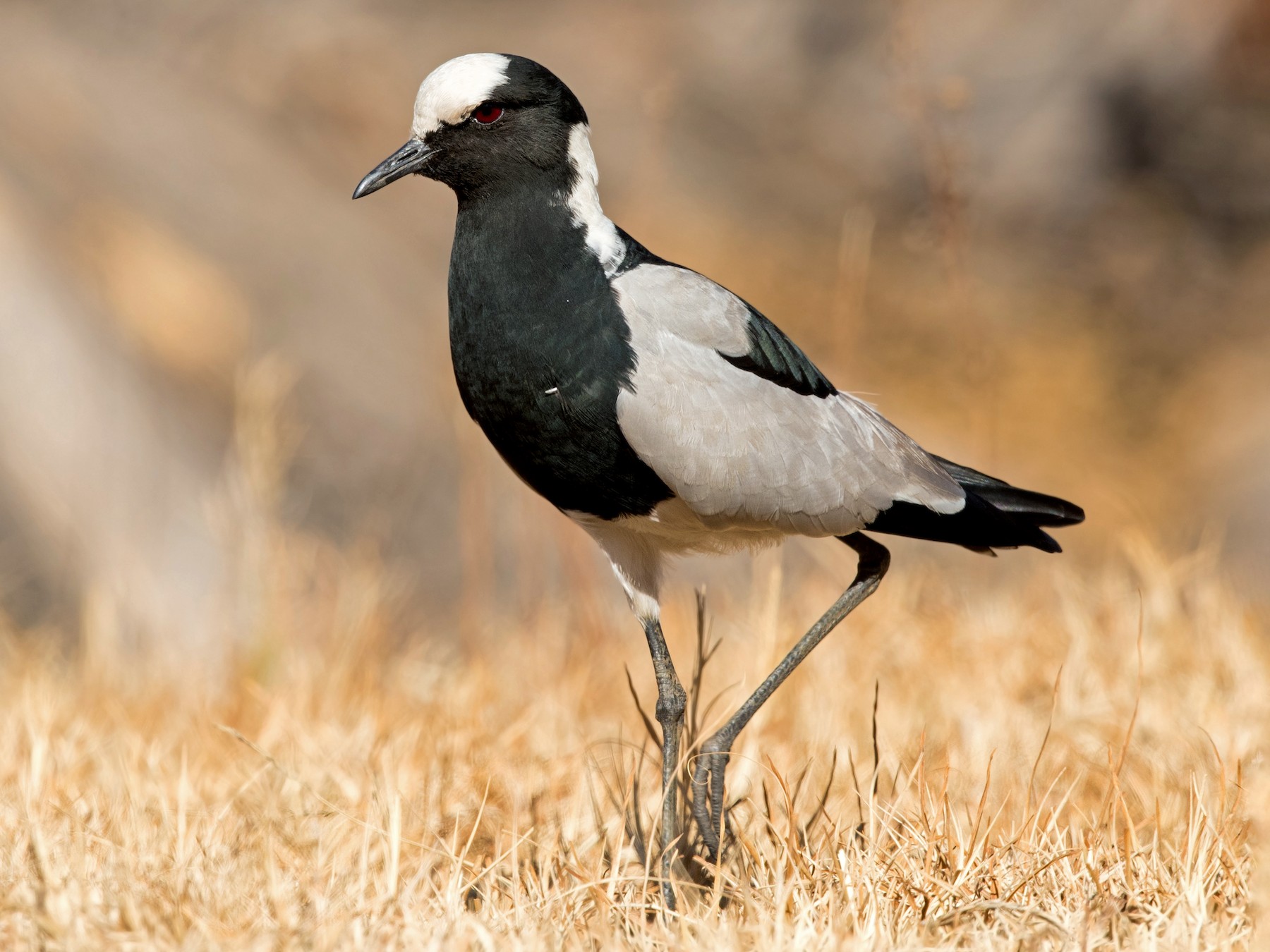
The alkaline soda of Lake Manyara is home to an incredible array of bird life that thrives on its brackish waters. Pink flamingo stoop and graze by the thousands colourful specks against the grey minerals of the lake shore. Yellow-billed storks swoop and corkscrew on thermal winds rising up from the escarpment, and herons flap their wings against the sun-drenched sky. Even reluctant bird-watchers will find something to watch and marvel at within the national park.

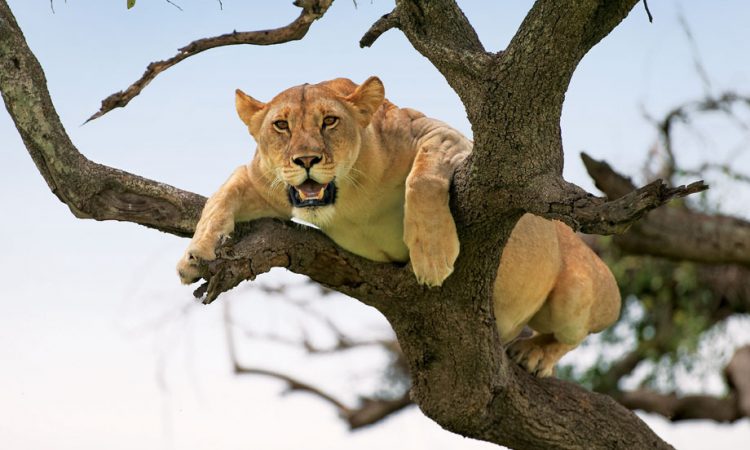
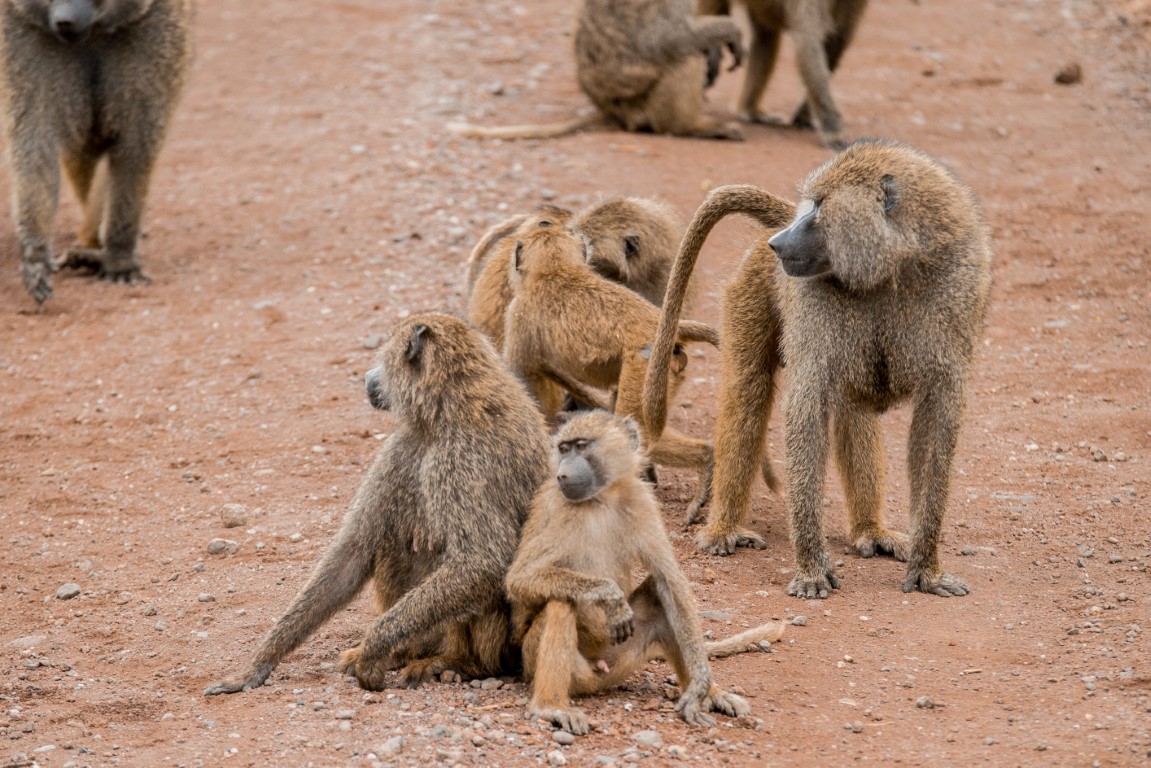
Lake Manyara’s famous tree-climbing lions are another reason to pay a visit to this park. The only kind of their species in the world, they make the ancient mahogany and elegant acacias their home during the rainy season, and are a well-known but rather rare feature of the northern park. In addition to the lions, the national park is also home to the largest concentration of baboons anywhere in the world — a fact that accounts for interesting game viewing of large families of the primates.

Stretching for 50km along the base of the rusty-gold 600-metre high Rift Valley escarpment, Lake Manyara is a scenic gem, with a setting extolled by Ernest Hemingway as “the loveliest I had seen in Africa”.

The compact game-viewing circuit through Manyara offers a virtual microcosm of the Tanzanian safari experience.

From the entrance gate, the road winds through an expanse of lush jungle-like groundwater forest where hundred-strong baboon troops lounge nonchalantly along the roadside; the blue monkeys scamper nimbly between the ancient mahogany trees; dainty bushbuck tread warily through the shadows, and the outsized forest hornbills honk cacophonously in the high canopy.

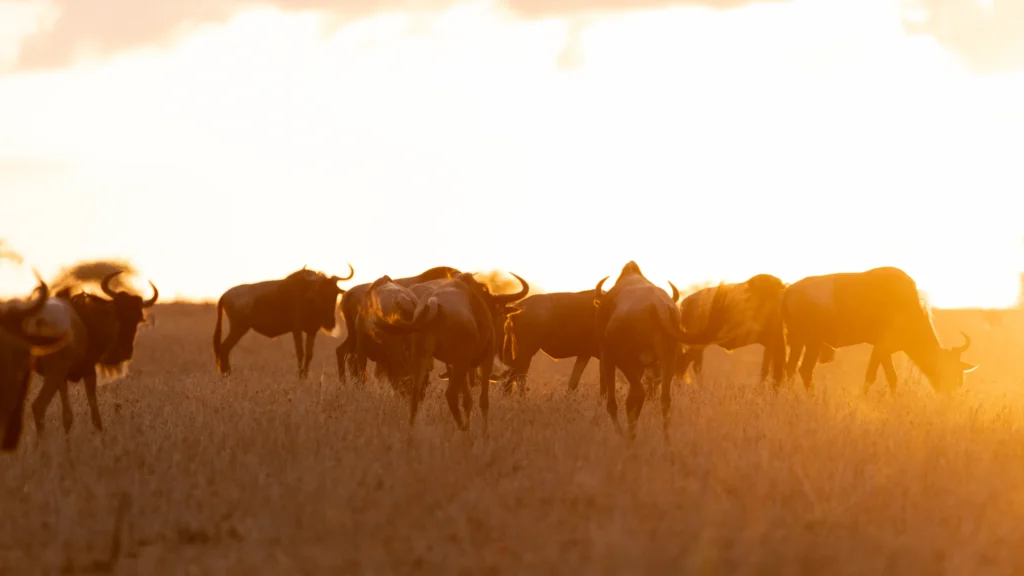
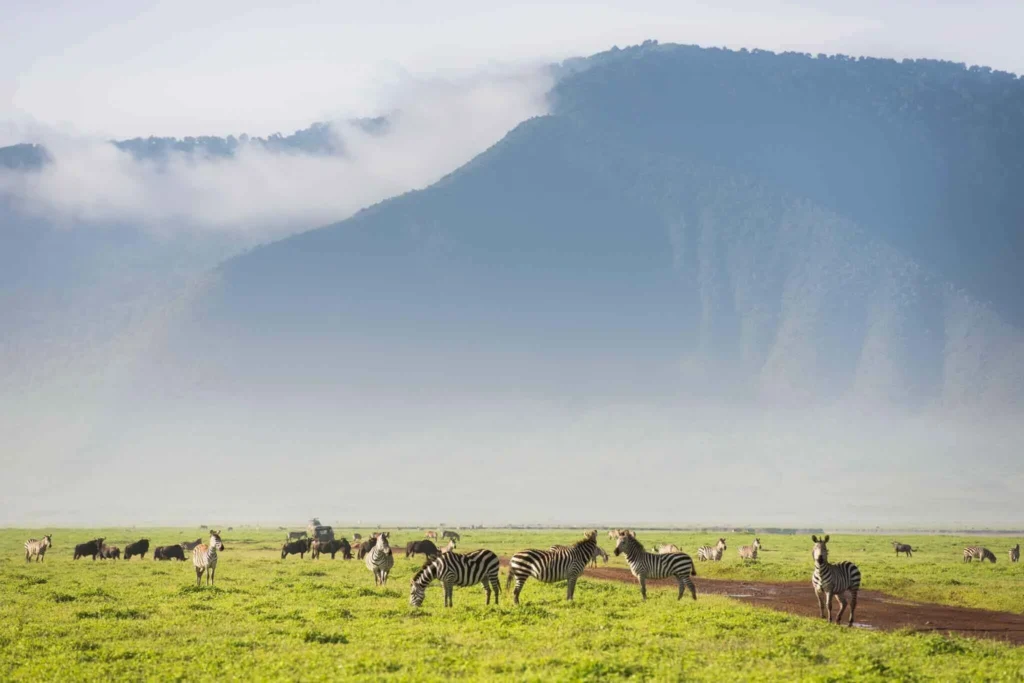
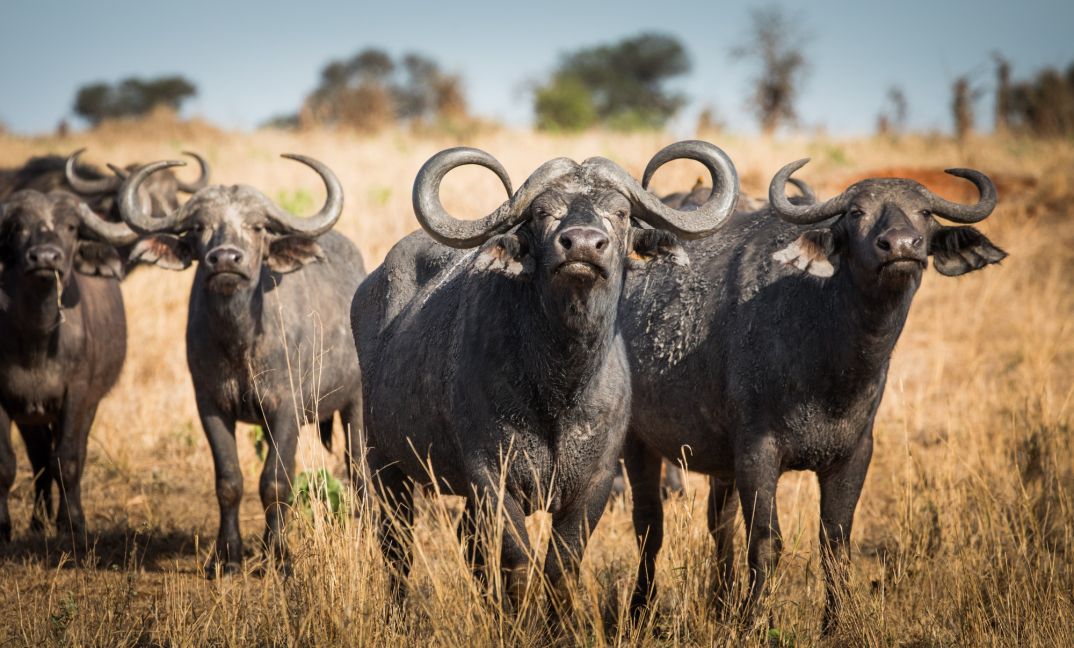
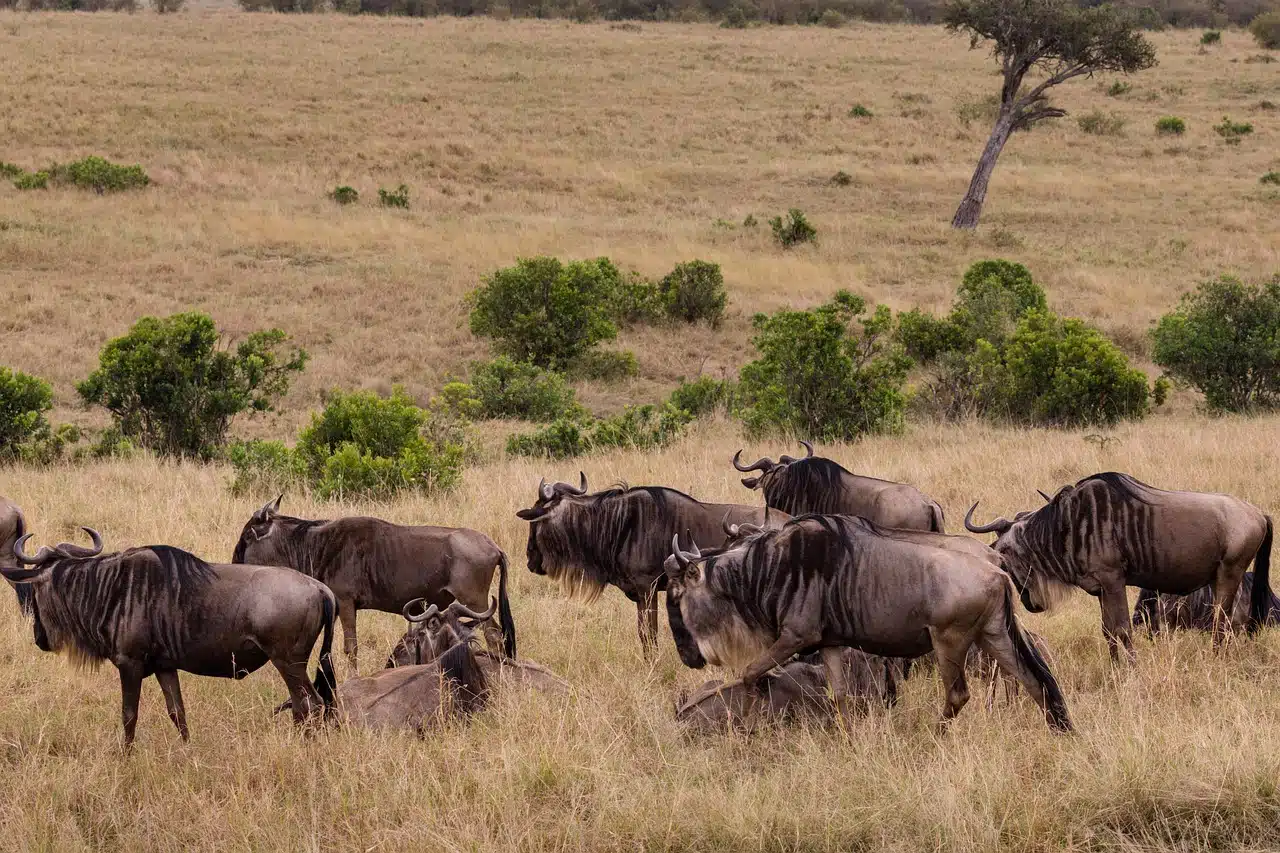
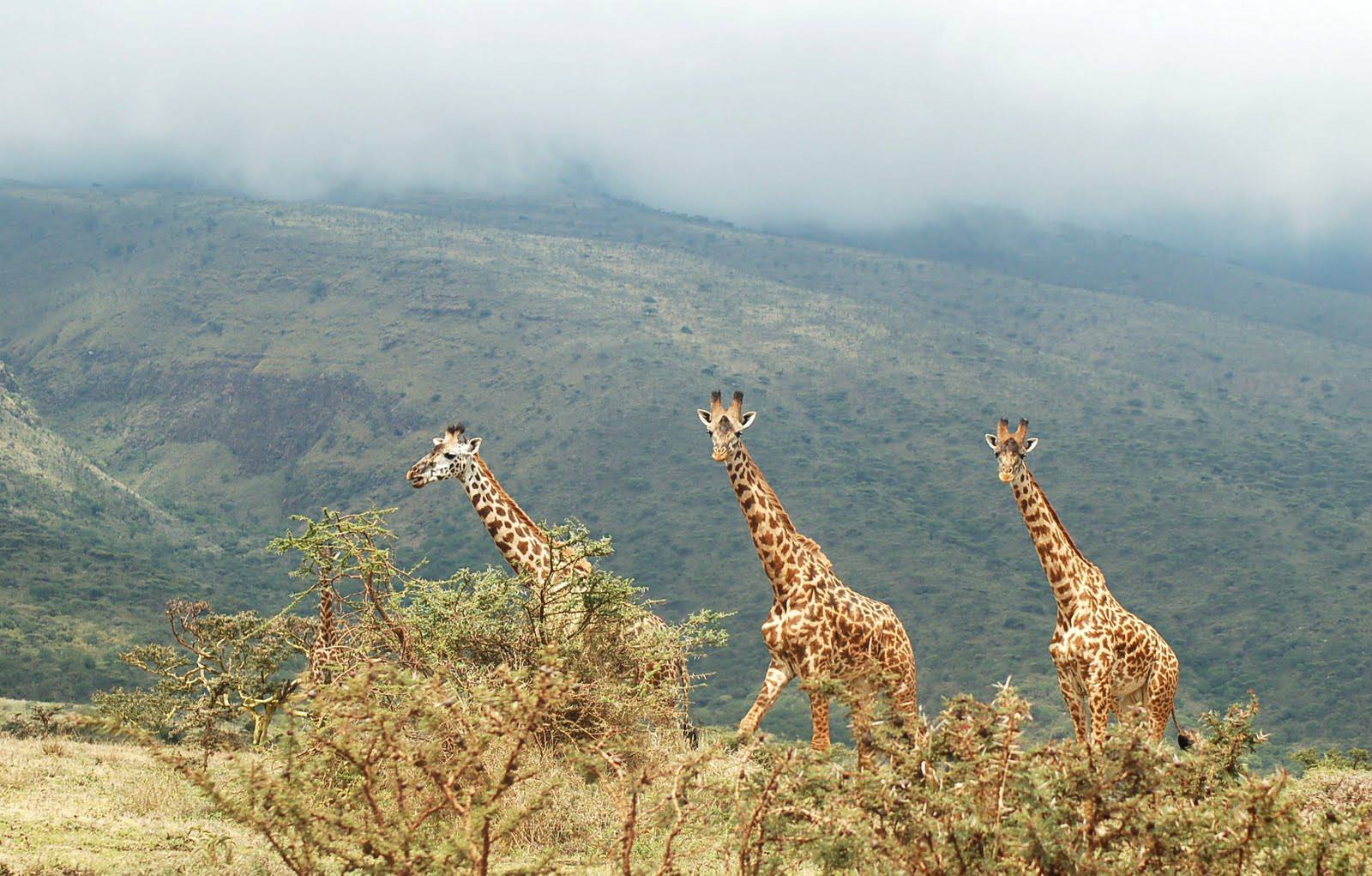
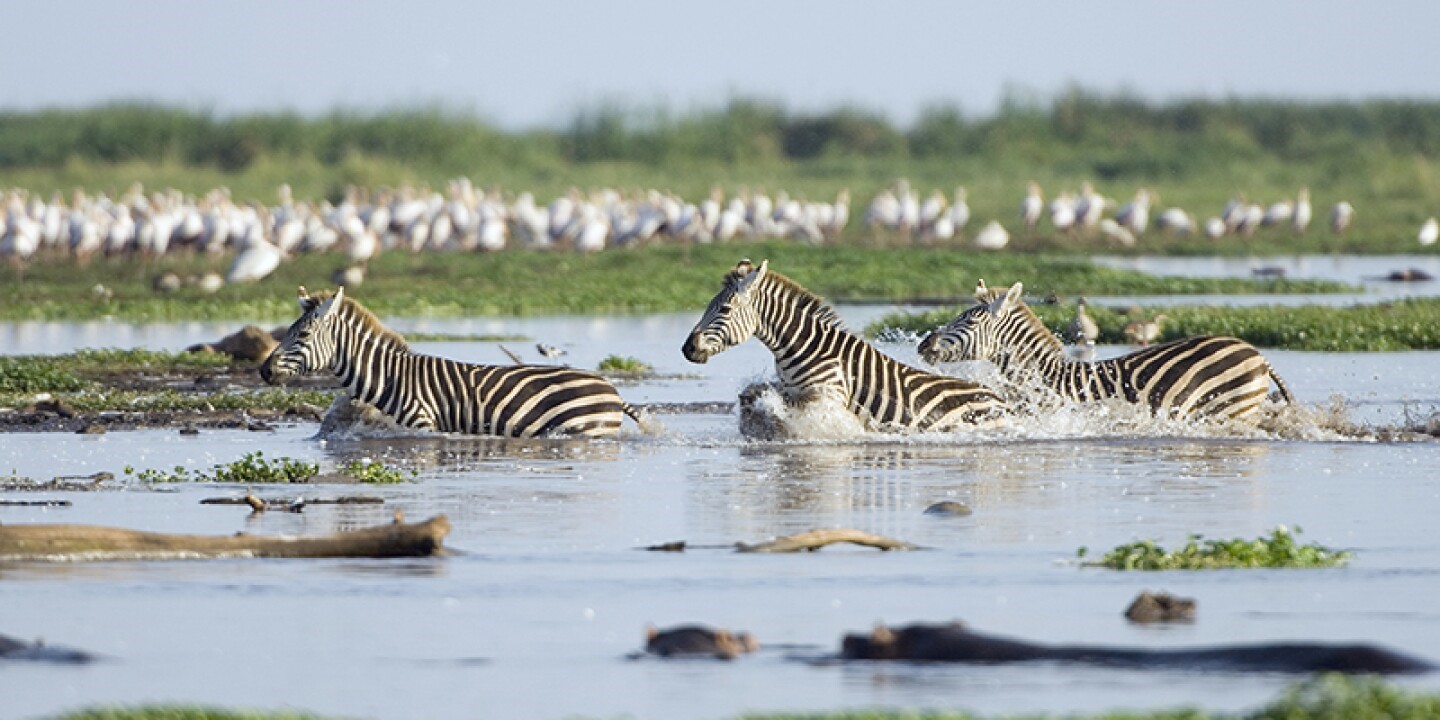
In contrast with the intimacy of the forest, is the grassy floodplain and its expansive views eastward, across the alkaline lake, to the jagged blue volcanic peaks that rise from the endless Maasai Steppes. Large buffalo, wildebeest and zebra herds congregate on these grassy plains, and so do the giraffes – some so dark in coloration that they appear to be black from a distance.

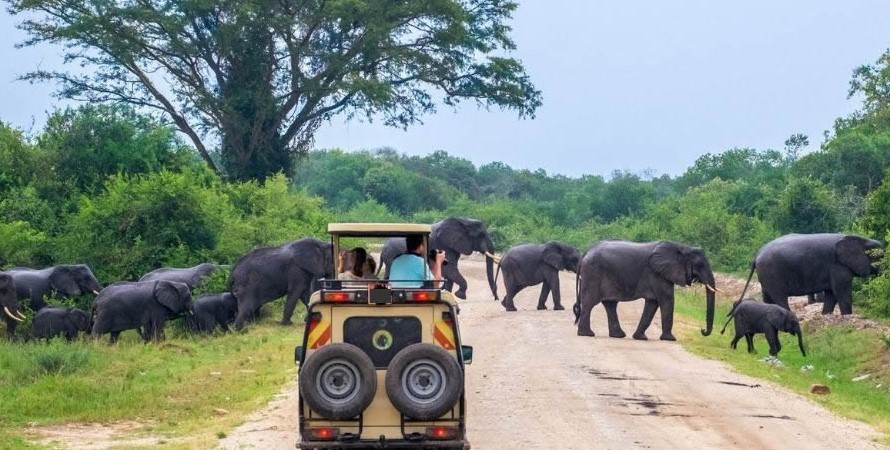
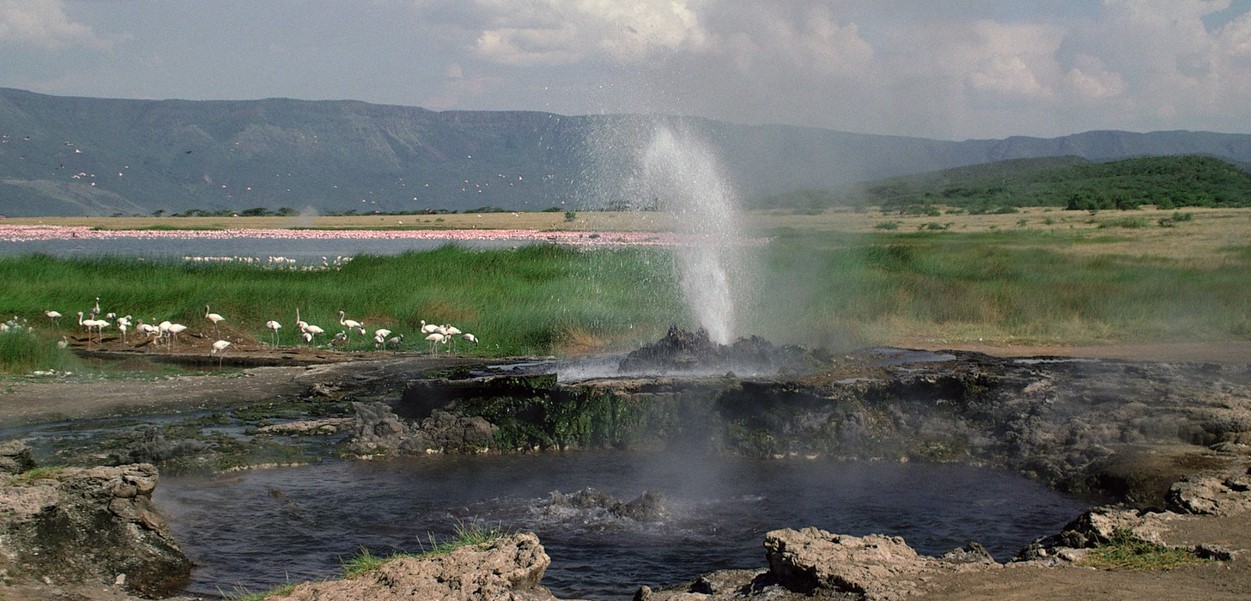
Inland of the floodplain, a narrow belt of acacia woodland is the favoured haunt of Manyara’s legendary tree-climbing lions and impressively tusked elephants. Squadrons of banded mongoose dart between the acacias, whereas the diminutive Kirk’s dik-dik forages in their shade. Pairs of klipspringer are often seen silhouetted on the rocks above a field of searing hot springs that steams and bubbles adjacent to the lakeshore in the far south of the park.

Manyara provides the perfect introduction to Tanzania’s birdlife. More than 400 species have been recorded, and even a first-time visitor to Africa might reasonably expect to observe 100 of these in one day. Highlights include thousands of pink-hued flamingos on their perpetual migration, as well as other large water birds such as pelicans, cormorants and storks.

About Lake Manyara National Park
Size: 648.7 sq km, of which up to 200 sq km (77 sq miles) is the lake when water levels are high.
Location: Northern Tanzania. The entrance gate lies 1.5 hours (126km/80 miles) west of Arusha along a newly surfaced road, close to the ethnically diverse market town of Mto wa Mbu.

Best Overall Time: June to October

This is the dry season and the most popular time for safaris. You’ll enjoy:

  • Easier wildlife spotting because vegetation is thinner
  • Large animals gathering near water sources
  • Pleasant weather with little rain
  • Better road conditions for game drives

It’s the ideal season for seeing elephants, giraffes, zebras, hippos, and the famous tree-climbing lions.

Best Time for Birdwatching & Green Scenery: November to May

During the wet/green season, the park becomes lush and beautiful. This period is best for:

  • Flamingos and migratory birds
  • Photography with green landscapes and waterfalls
  • Fewer tourists and lower safari prices


Game Drives

Experience exciting game drives through diverse landscapes including groundwater forests, open plains, and acacia woodlands. The park is famous for its large elephant population, tree-climbing lions, buffaloes, zebras, giraffes, wildebeests, and hippos.

Morning and afternoon safaris offer excellent opportunities to witness wildlife in their natural habitat.

Hot Springs Exploration

Discover the famous hot springs located inside Lake Manyara National Park, commonly known as the Hot Water Springs.

These natural geothermal springs are created by underground volcanic activity from the Great Rift Valley system, producing warm mineral-rich water that flows continuously from beneath the earth’s surface.

Hippo Pool Visits

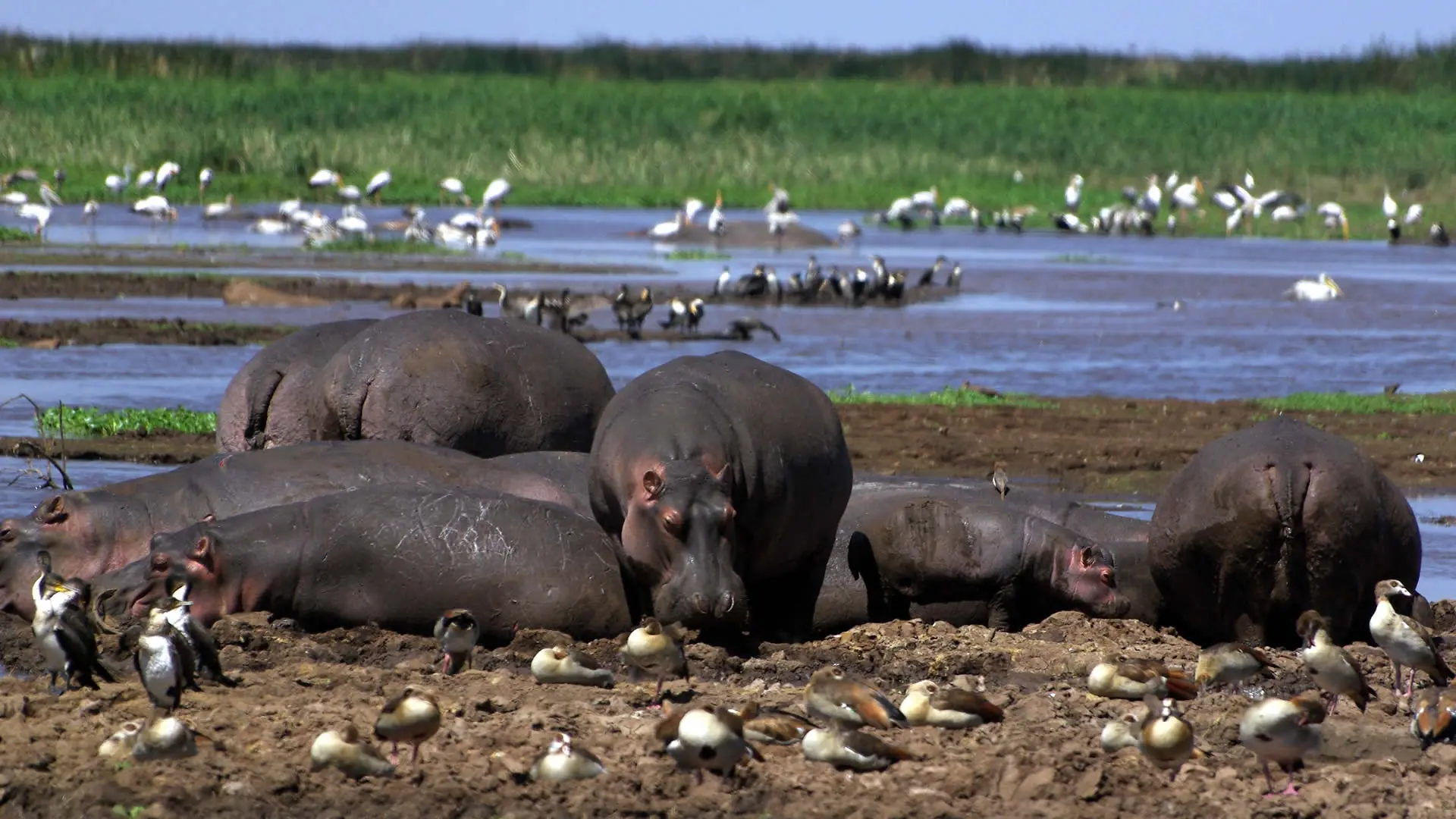
The hippo pool is one of the park’s most popular attractions. Visitors can safely observe hippos relaxing in the water while also spotting crocodiles and many bird species nearby.

Photography Safaris

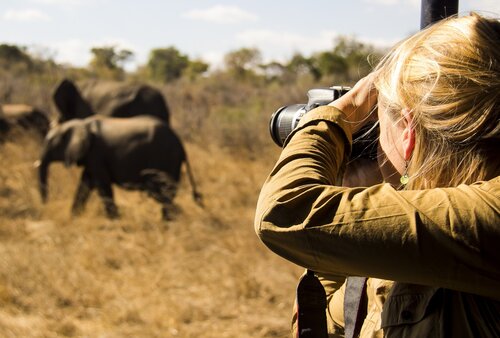
Lake Manyara offers incredible photography opportunities with dramatic landscapes, the Great Rift Valley escarpment, flamingo-covered lake shores, dense forests, and diverse wildlife species.

Bird Watching

Lake Manyara is a paradise for bird lovers, hosting more than 400 bird species. Visitors can spot flamingos along the lake shores, pelicans, storks, hornbills, kingfishers, and many migratory birds. 

The best birdwatching season is during the green season from November to April.

Any Questions

Need Help Planning Your Safari?

Plan Your Dream Tanzania Safari Today

Other Related Safari Destinations

Serengeti National Park

Serengeti National Park will always be the number one to click in peoples mind,  where is Serengeti one would ask,

Ngorongoro Crater

Ngorongoro Crater is a large volcanic caldera located in the Ngorongoro Conservation Area, a protected area that spans 

Tarangire National Park

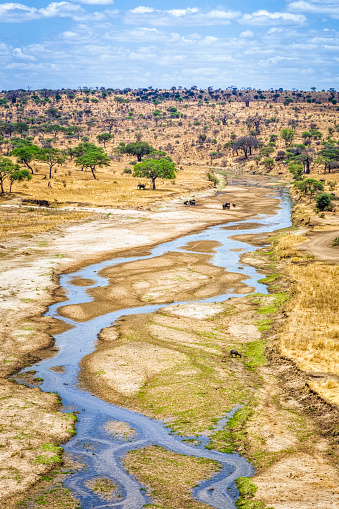
The park derives its name from Tarangire River which runs along at the middle of the park & provides water for animals throughout the year.