ARUSHA National Park

Park Overview

Arusha National Park (ANAPA) is a gem of varied ecosystems and spectacular views of Mt. Meru, the crater that gives the region its name It is a popular destination for day trip visitors who are about to embark from the town of Arusha on longer northern circuit safaris.

The small national park includes the slopes, summit, and ash cone of Mt. Meru, the Momela Lakes, Ngurdoto Crater, and the lush highland forests that blanket its lower slopes. Game viewing around the Momela Lakes is at a laid-back and quiet pace, and while passing through the forest many visitors stop to search for troupes of rare colubus monkeys playing in the canopy.

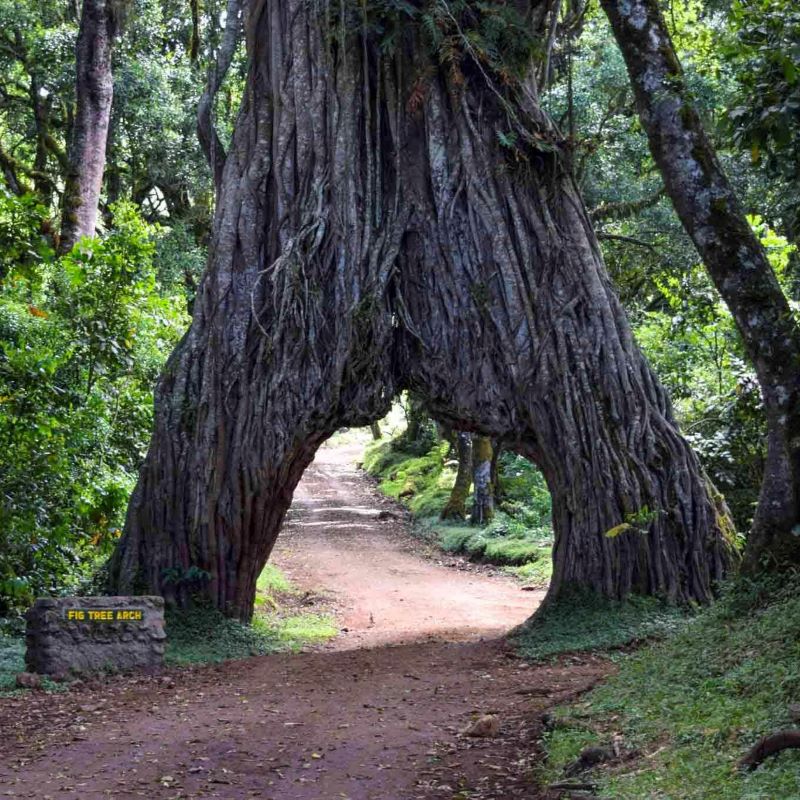
Climbing Mt. Meru or enjoying the smaller trails that criss-cross its lower slopes is a popular activity for visitors to Arusha National Park. The three-day trek to reach the crater’s summit is a quieter, and some say more challenging alternative than the famous peak of nearby Mount Kilimanjaro. Along the lower slopes, the paths to rivers and waterfalls create a relaxing day hike for visitors who don’t want to attempt the rather arduous climb. Ancient fig tree forests, crystal clear waters cascading from mountain streams, and a chance to spot colobus monkeys are the attractions and pleasures of Arusha National Park.

The closest national park to Arusha town – northern Tanzania’s safari capital – Arusha National Park is a multi-faceted jewel, often overlooked by safari goers, despite offering the opportunity to explore a beguiling diversity of habitats within a few hours.

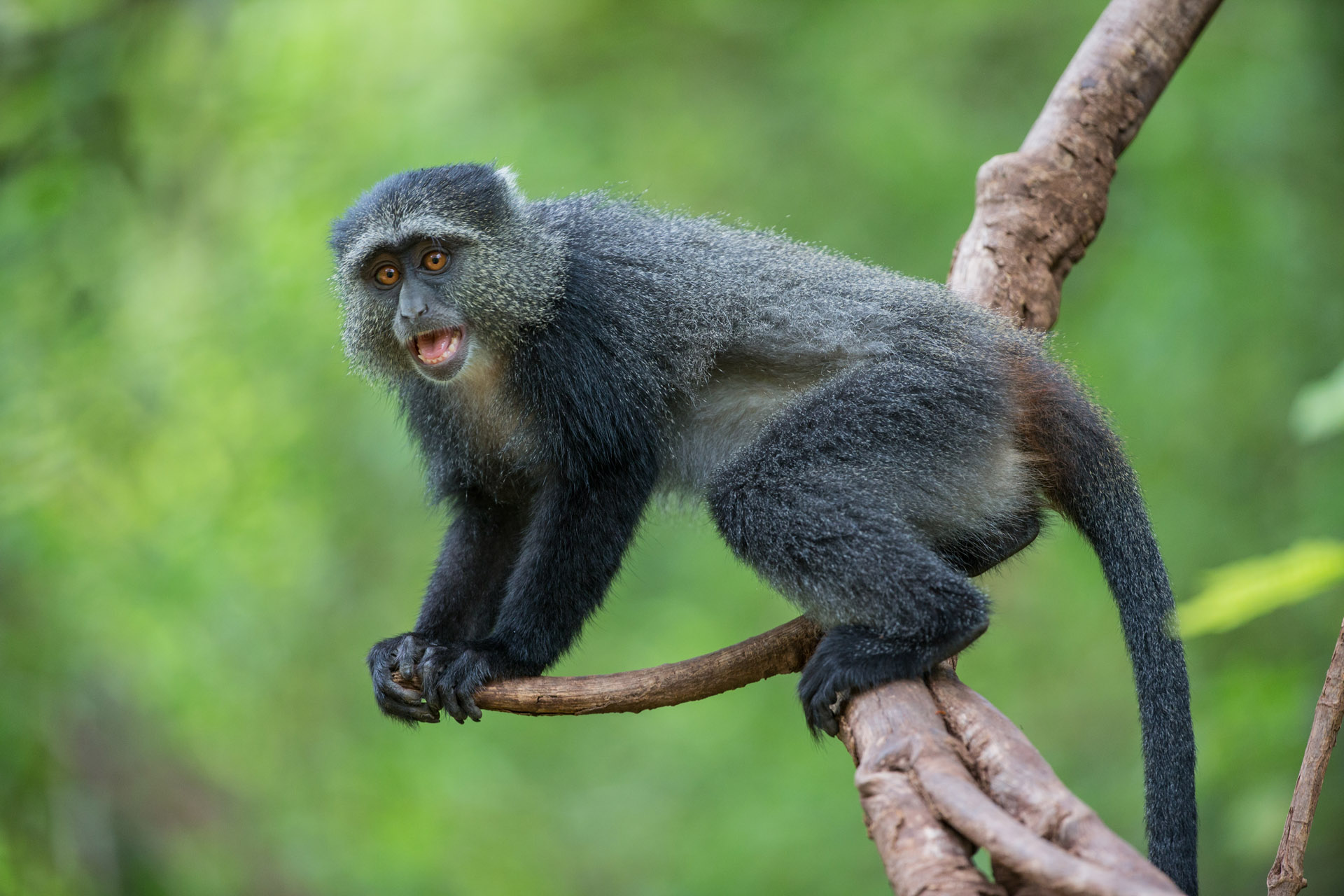
The entrance gate leads into shadowy montane forest inhabited by inquisitive blue monkeys and colourful turacos and trogons – the only place on the northern safari circuit where the acrobatic black-and-white colobus monkey is easily seen. In the midst of the forest stands the spectacular Ngurdoto Crater, whose steep rocky cliffs enclose a wide marshy floor dotted with herds of buffalo and warthog.

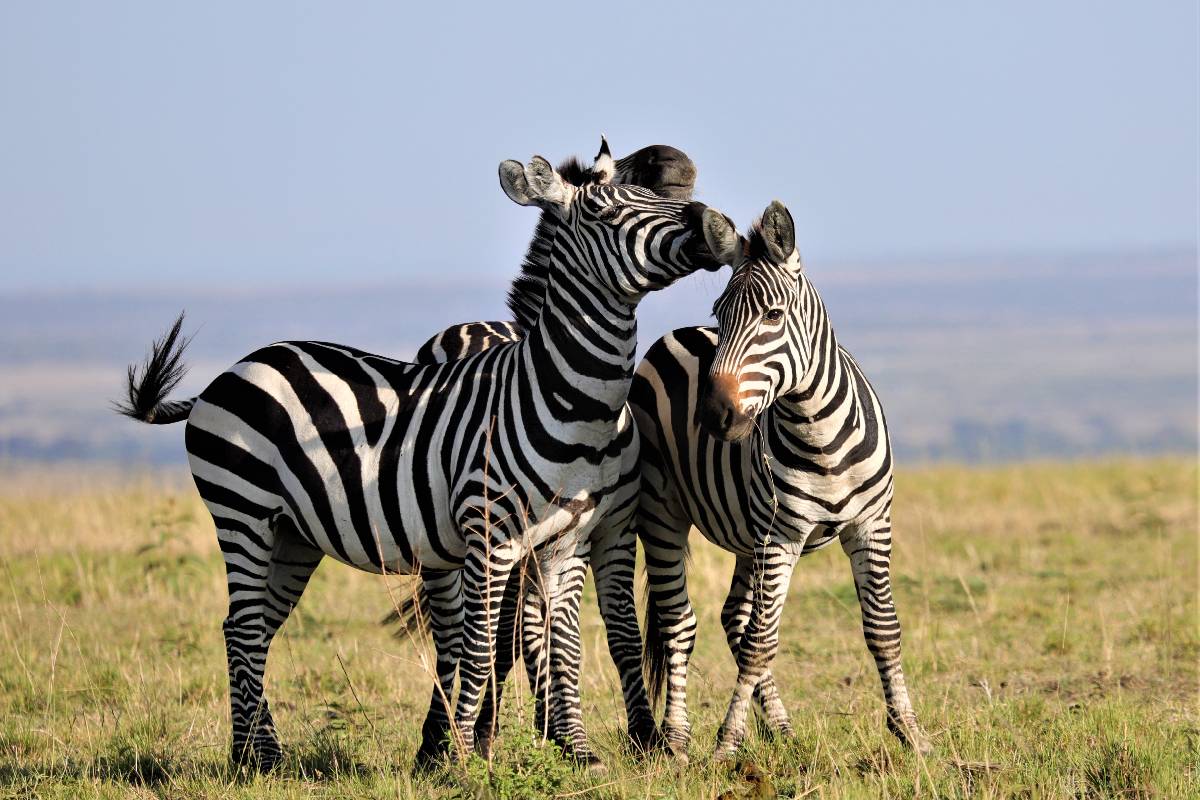
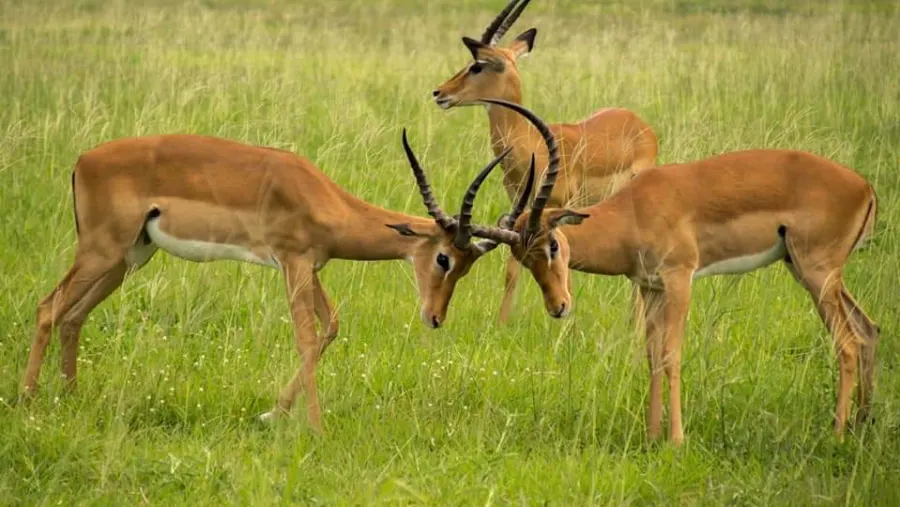
Further north, rolling grassy hills enclose the tranquil beauty of the Momela Lakes, each one having a different hue of green or blue. There are shallows sometimes tinged pink with thousands of flamingos. The lakes support a rich selection of resident and migrant waterfowl, and also shaggy waterbucks that display their large lyre-shaped horns on the watery fringes. Giraffes glide across the grassy hills, between grazing zebra herds, whilst pairs of wide-eyed dik-dik dart into scrubby bush like overgrown hares on spindly legs.

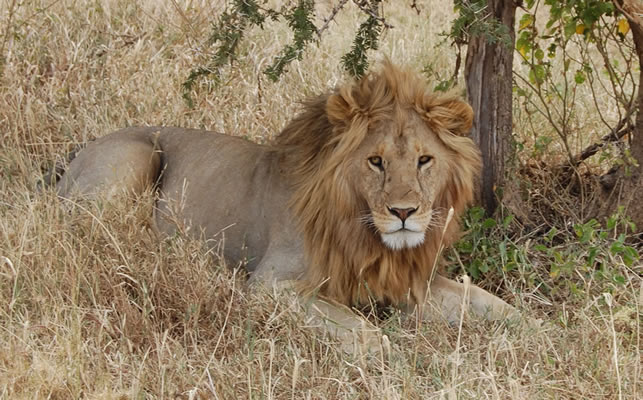
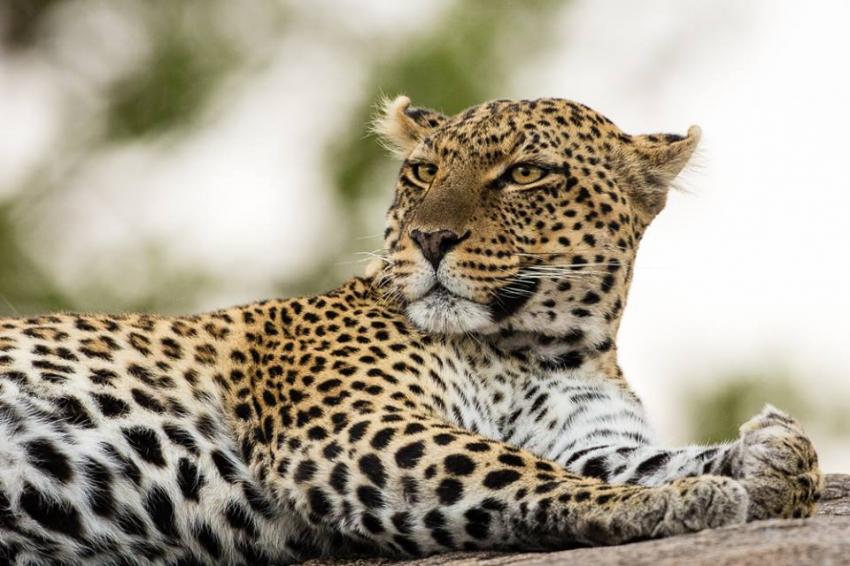
Although elephants are uncommon in Arusha National Park, and lions are absent altogether, leopards and spotted hyenas may be seen slinking around in the early morning and late afternoon. It is also at dusk and dawn that the veil of cloud on the eastern horizon is most likely to clear, revealing the majestic snow-capped peaks of Kilimanjaro, which is only 50km (30 miles) away.
But it is Kilimanjaro’s unassuming cousin, Mount Meru – the fifth highest mountain in Africa at 4,566 metres (14,990 feet) – that dominates the park’s horizon. With its peaks and eastern foot slopes protected within the national park, Meru offers unparalleled views of its famous neighbour, while also forming a rewarding hiking destination in its own right.

Passing first through wooded savannah where buffalos and giraffes are frequently encountered, the ascent of Meru leads into forests aflame with red-hot pokers and dripping with Spanish moss, before reaching highly open heath spiked with giant lobelias. Everlasting flowers cling to the alpine desert, as delicately-hoofed klipspringers mark the hike’s progress. Astride the craggy summit, Kilimanjaro stands unveiled, blushing in the sunrise.

Size
552 sq km (212 sq miles

The best time to visit Arusha National Park is generally during the dry season from June to October when the weather is clear, wildlife is easier to spot, and the scenery is open and accessible. During this period, animals such as giraffes, zebras, buffaloes, and colobus monkeys are more visible around water sources, and game drives become more rewarding because the vegetation is less dense. The skies are usually bright and the views of Mount Meru and the Momella Lakes are especially stunning, making it ideal for photography and hiking activities.

Another very good time to visit is from December to February when the weather is also relatively dry and warm, and visibility for wildlife viewing remains good. This period is comfortable for walking safaris and canoeing at the lakes, and the park feels lively but not too crowded.

The green season from March to May and November brings heavier rains which transform the park into a lush green landscape with flowing waterfalls and rich vegetation. This time is excellent for birdwatching because migratory birds are present in large numbers, and the scenery becomes very beautiful, although some trails may be slippery and wildlife can be more spread out across the park.

Game Drives

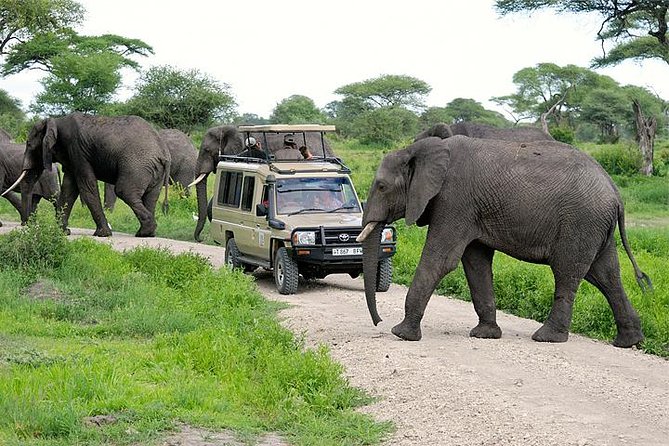
Game drives are one of the main ways to explore the park, but unlike open savannah parks, Arusha offers a mix of habitats including montane forest, grasslands, and volcanic landscapes. 

This makes the drive more about variety than just big herds. You can easily spot giraffes, zebras, buffaloes, warthogs, and sometimes colobus monkeys swinging through the trees, especially in the forested areas near Mount Meru

Walking safaris

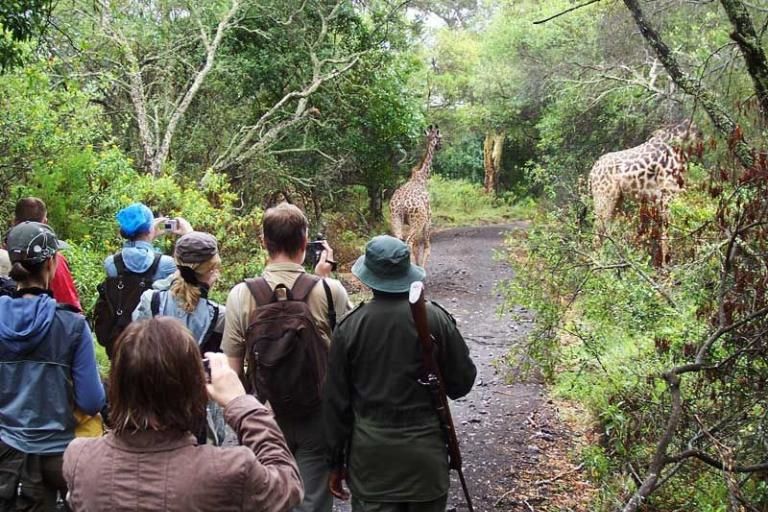
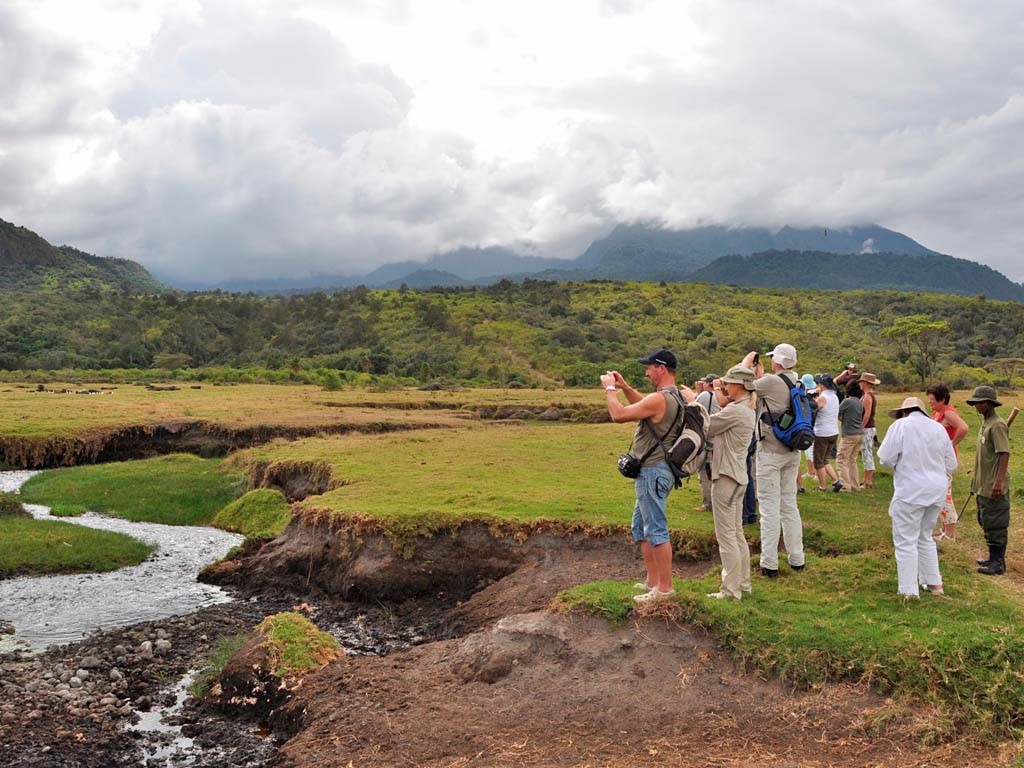
Walking safaris are one of the unique highlights here. With a ranger, you can walk through designated areas and experience wildlife at a slower, more natural pace.

 It feels different from vehicle safaris because you notice smaller details like animal tracks, birds, plants, and insects, and sometimes get very close views of giraffes and buffalo in a controlled environment.

Canoeing at Momella Lakes

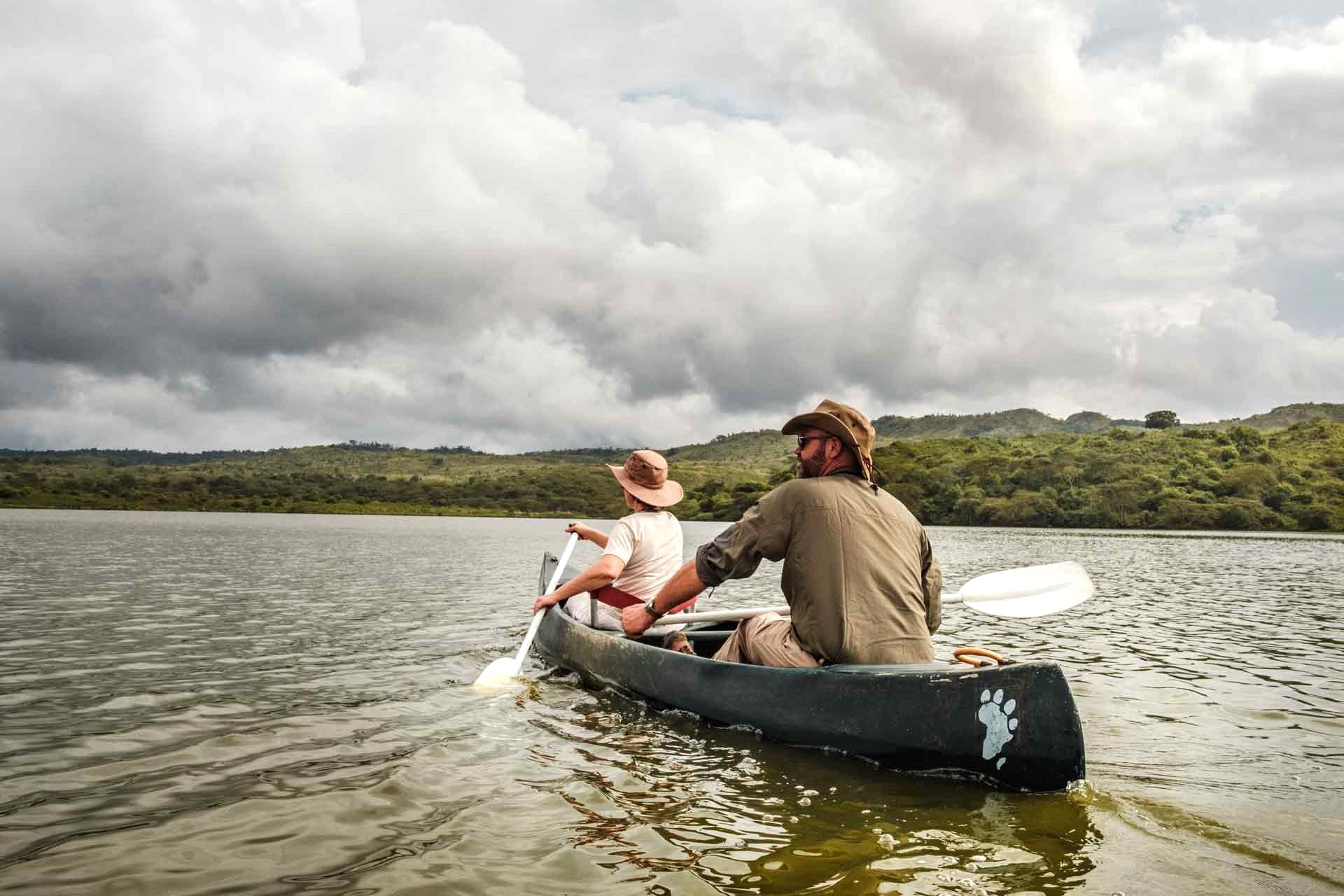
Canoeing at Momella Lakes is another special activity in the park. The lakes are shallow and alkaline, attracting flamingos and other water birds. 

Paddling across the calm water gives you a peaceful view of wildlife along the shores, especially elephants and buffalo that often come to drink.

Photography Safaris

Photography safaris in Arusha National Park are among the most rewarding in northern Tanzania, especially if you enjoy varied landscapes and close-up wildlife moments rather than just big herds in open plains. What makes photography here special is the diversity of scenes in a small area. 

In one day you can capture misty montane forests, open savannah, crater viewpoints, and reflective lakes like Momella. This variety gives your photos a very different feel compared to classic parks like Tarangire or Serengeti.

Bird Watching

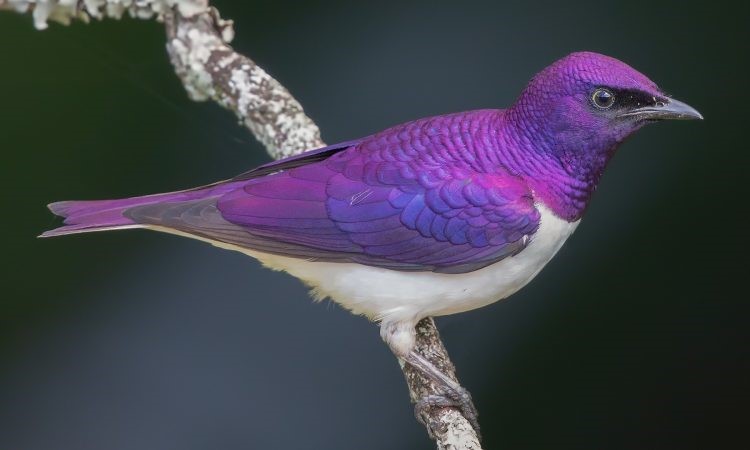
Birdwatching is extremely rewarding in Arusha National Park because it has over 400 species. The combination of forest, lakes, and open plains makes it easy to see everything from flamingos and herons to turacos and hornbills. It is considered one of the best birding spots in northern Tanzania.

Any Questions

Need Help Planning Your Safari?

Plan Your Dream Tanzania Safari Today

Other Related Safari Destinations

Serengeti National Park

Serengeti National Park will always be the number one to click in peoples mind,  where is Serengeti one would ask,

Ngorongoro Crater

Ngorongoro Crater is a large volcanic caldera located in the Ngorongoro Conservation Area, a protected area that spans 

Tarangire National Park

The park derives its name from Tarangire River which runs along at the middle of the park & provides water for animals throughout the year.