Rubondo Island National Park

Park Overview

Located on the south-west shores of Lake Victoria, Rubondo Island National Park includes Rubondo Island and several other small islands of Lake Victoria.

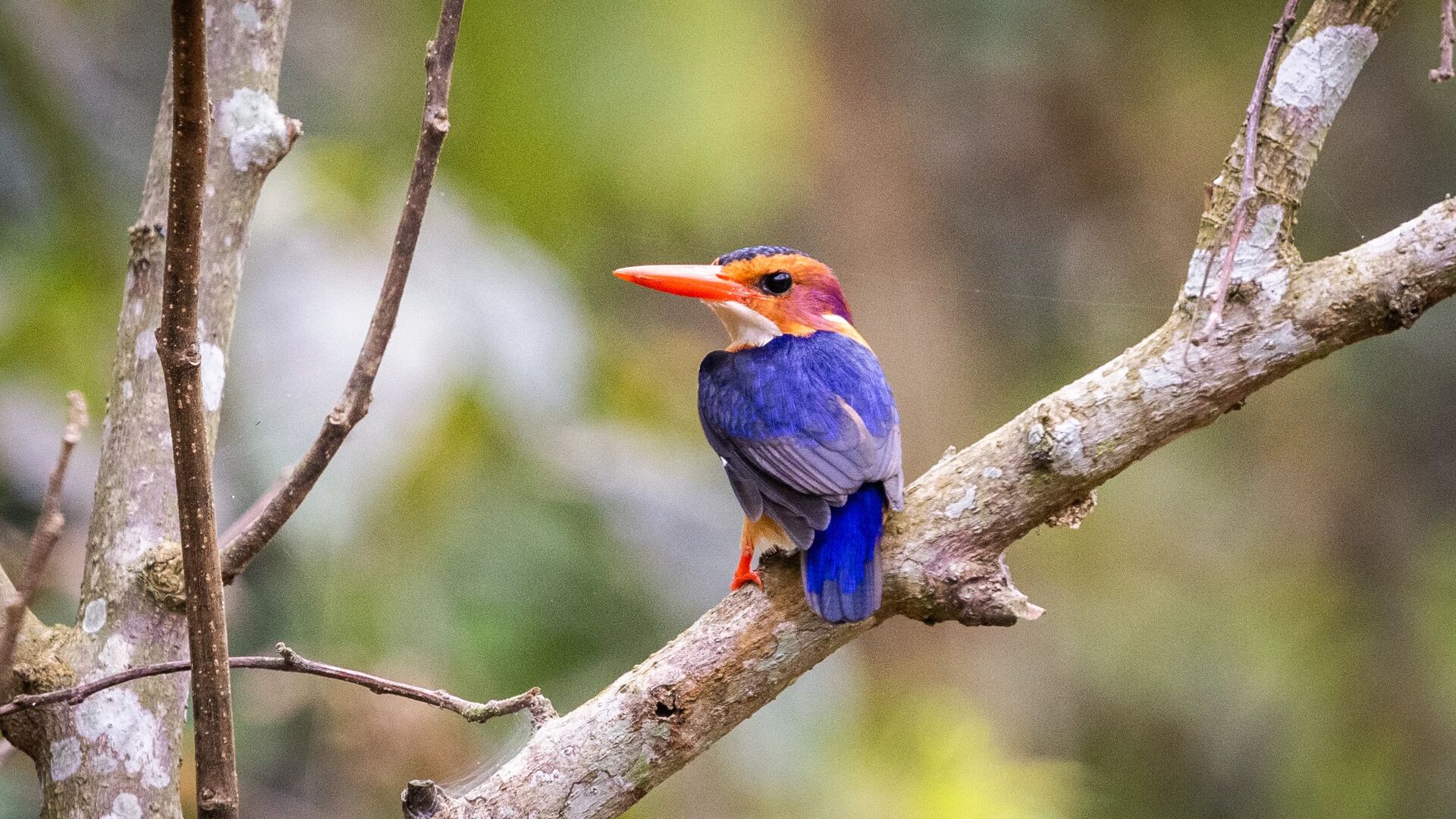
The park boasts for its rich and diverse variety of butterflies and bird life, easily viewable from the lake shore. The rare Sitatunga, an extremely endangered amphibious antelope, can sometimes be viewed escaping from the charging predators by hiding and camouflaging itself in the lake shore marshes.

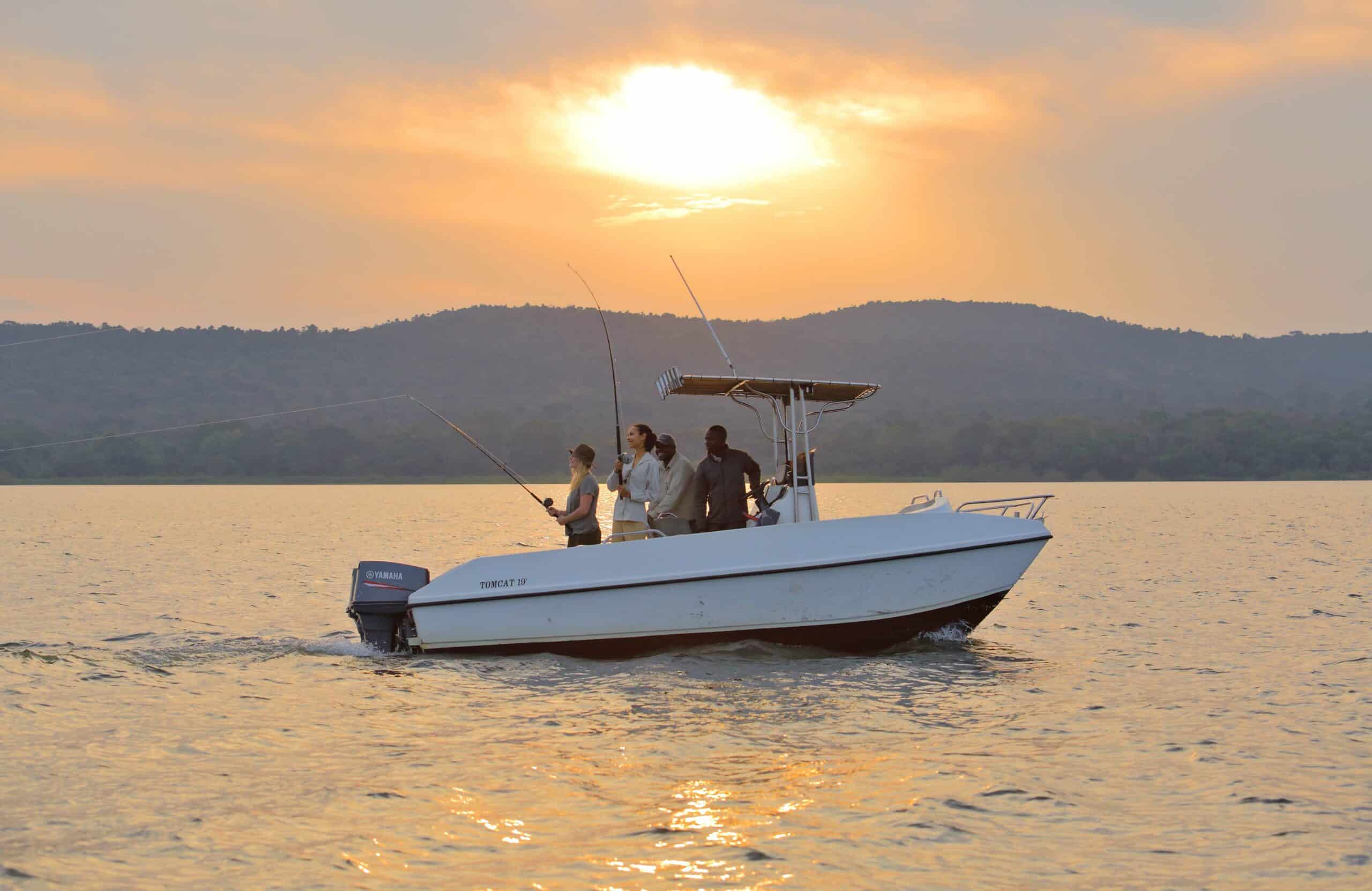
A visit to Rubondo Island National Park offers visitors a break from game viewing in the tranquil peace of a lake shore setting. Exploring the islands within the park creates an excitement for day trips. Fishing expeditions into Lake Victoria are easily arranged through the major lodges. Rubondo Island National Park is a relaxation from the rigorous safari circuit and a relaxing place from which to explore Lake Victoria.

Rubondo Island National Park was established in 1977 and is located on the southwestern part of Lake Victoria. Before becoming a national park, the island was mainly used as a game reserve and forest reserve to protect wildlife and natural vegetation.

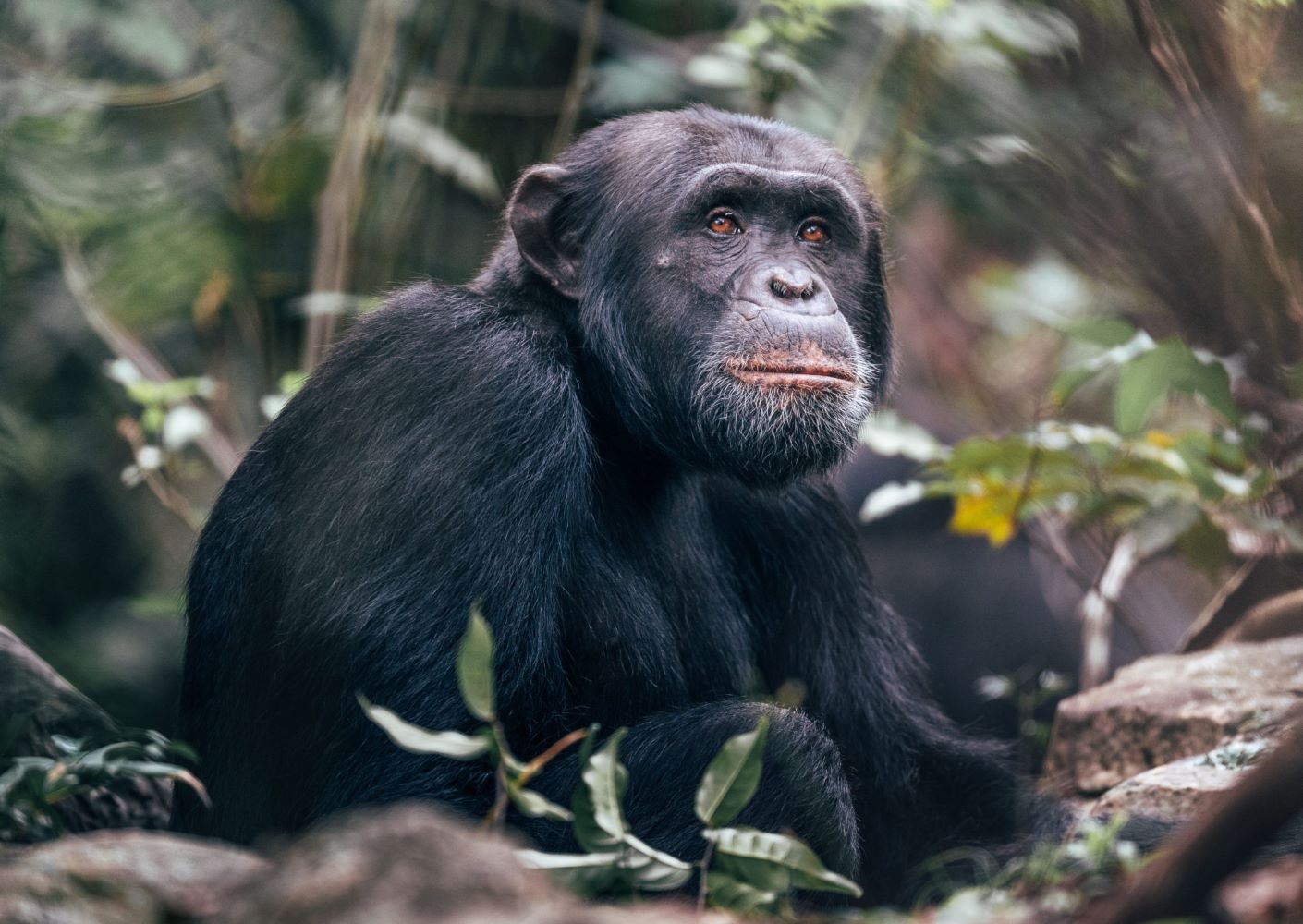
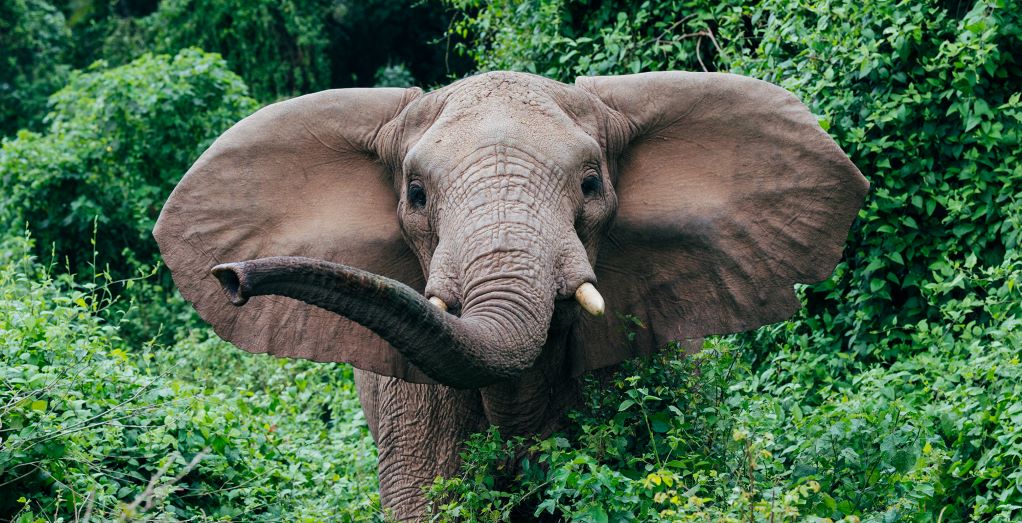
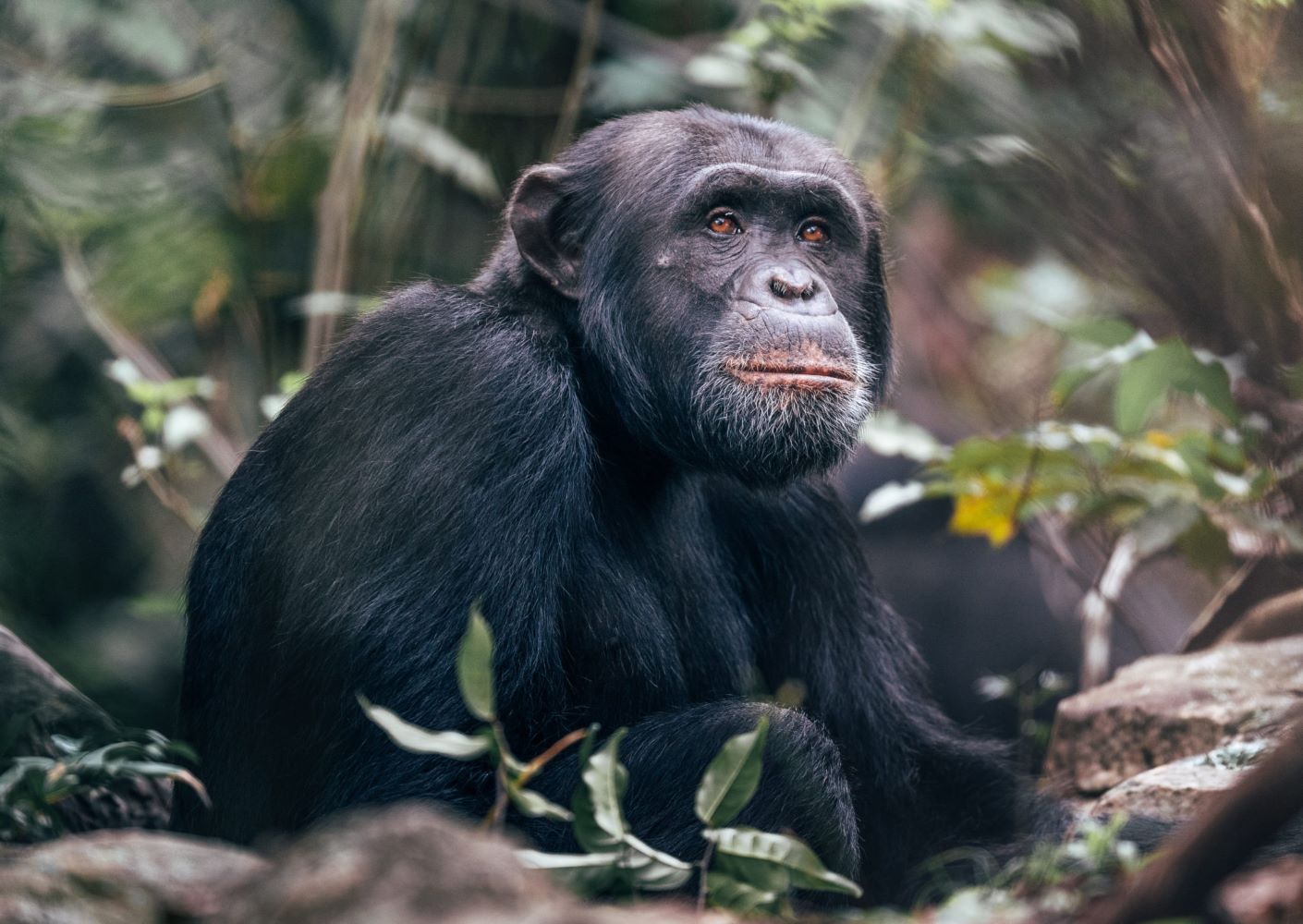
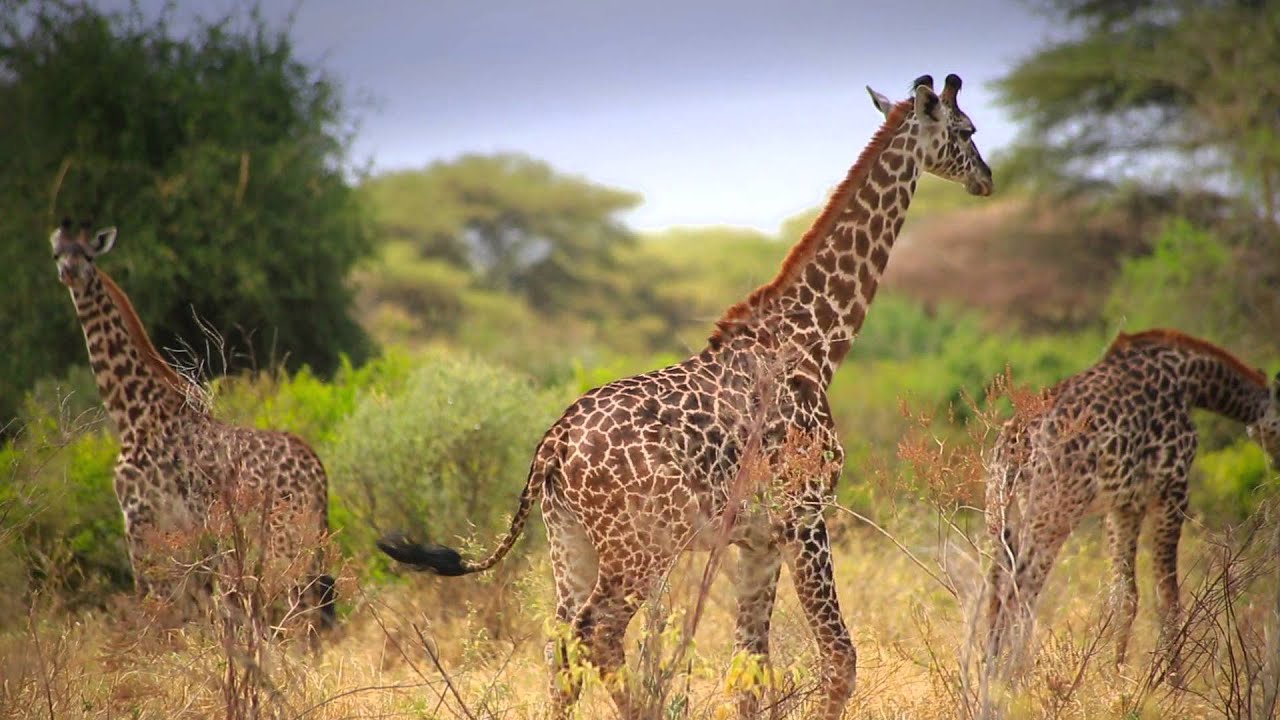
The park became famous after several wild animals such as chimpanzees, elephants, giraffes, and antelopes were introduced to the island as part of conservation efforts. Rubondo Island is now known for its rich biodiversity, beautiful forests, birdlife, and unique combination of land and water wildlife habitats.

Today, the park is one of Tanzania’s important conservation areas and attracts visitors interested in nature, fishing, birdwatching, and chimpanzee tracking.

Bandas: Located about two kilometers from the Park headquarters with 1 unit of well maintained uniport with triple beds inside/self contained and 5 double bed rooms all self contained with hot shower service. Maximum capacity 13 pax per night. Rest House: Owned by TANAPA and located about two kilometers from Park headquarters with 2 singles, 1 triple beds room and 1 double bed sized room all being self contained with TV and hot shower. Maximum/full capacity is 7 pax per night. Youth 

hostel: Located at park headquarters. Capacity 36 persons (16 boys, 16 girls and two rooms with double beds to accommodated 4 teachers.) Resting shelters: Four resting shelter located at bandas facing a magnificent view of the lake where visitors rest while enjoying the lake breeze during a day. 

Dining and Kitchen: A well maintained and fully equipped facility comprising of dining and kitchen owned by the park, all visitors are advised to bring in some foodstuffs while the park provides kitchen and dining facilities. Note that, the place is self catering.

 Campfire: The dining/kitchen facility faces a fireplace where fire is normally lit for visitors to stay nearby during evening times while enjoying their barbecue and drinks. Shop: One shop owned by TANAPA Rubondo staff located at Park headquarters which sells some household items and beverages for both staff and visitor uses.

he best time to visit Rubondo Island National Park is during the dry season from June to October. During this period, the weather is pleasant, rainfall is low, and wildlife viewing becomes easier because animals gather near water sources. Roads, walking trails, and boat activities are also more accessible.

This season is especially good for activities such as chimpanzee tracking, birdwatching, game drives, fishing, and boat safaris around Lake Victoria. Visitors also enjoy clear views of the island’s forests and lakeshore landscapes.

Another good time to visit is from December to February when the weather is warm and suitable for outdoor tourism activities. Birdwatching is excellent during this period because migratory birds arrive on the island.

The rainy season, especially from March to May, can make some areas muddy and difficult to access, although the park becomes very green and beautiful during this time.

Chimpanzee Tracking

Chimpanzee tracking is one of the most famous activities in Rubondo Island National Park. Visitors walk through the forest with experienced guides searching for chimpanzees living naturally on the island. 

During the trek, tourists observe how chimpanzees communicate, feed, climb trees, and interact with each other in their natural habitat. The activity also gives visitors an opportunity to experience the park’s thick tropical forest environment closely.

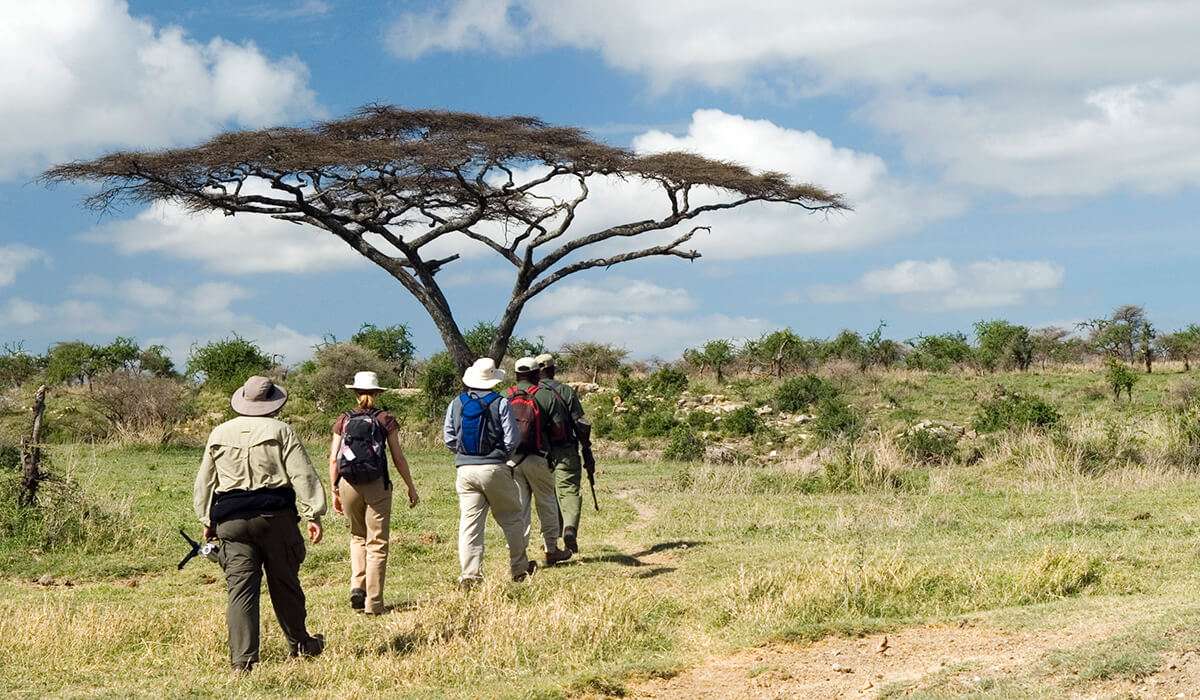
Walking safaris

Guided walking safaris allow visitors to explore the island on foot while learning about plants, insects, animal tracks, and forest ecosystems.

 Nature walks provide a peaceful way to experience the environment closely and enjoy the sounds of birds and wildlife within the forest.

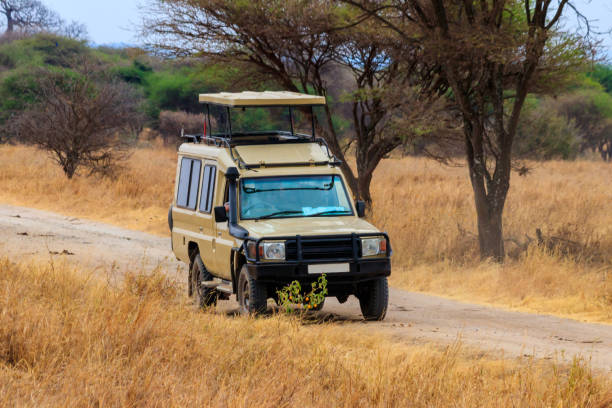
Game Drives

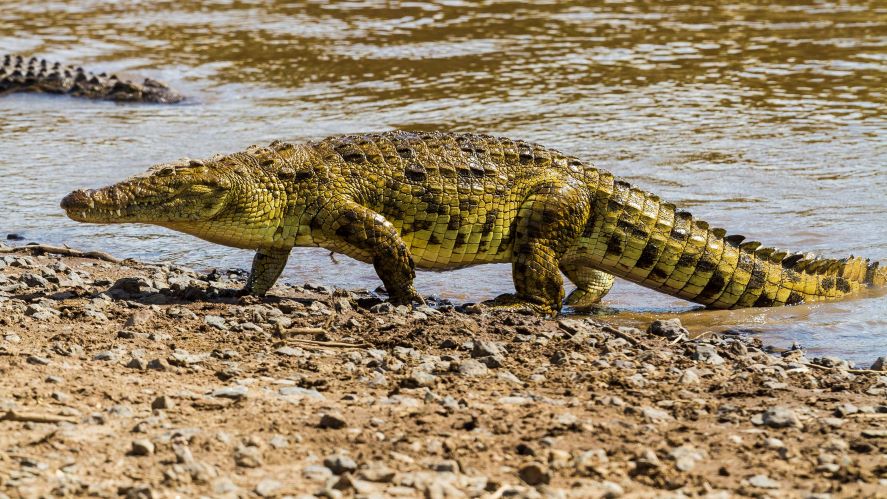
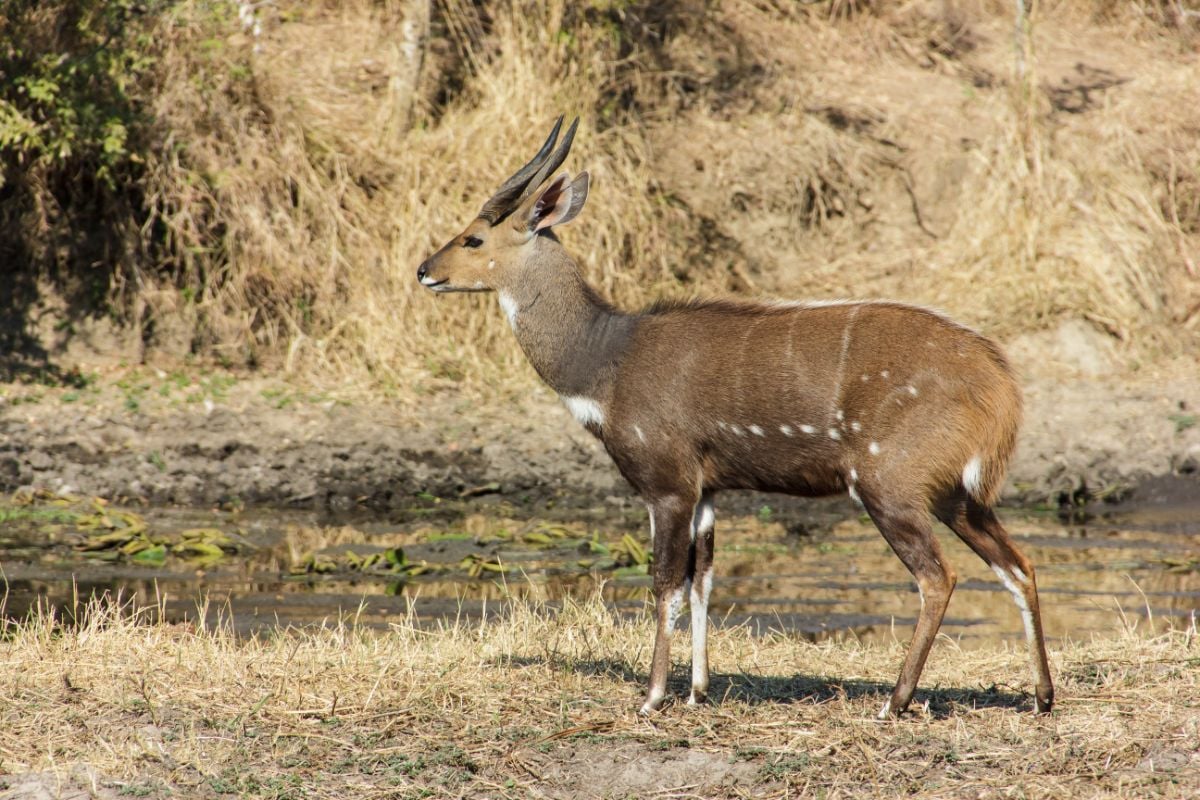
Although Rubondo is an island park, visitors can still enjoy game drives to see different wild animals. Animals commonly seen include elephants, giraffes, sitatunga antelopes, bushbucks, monkeys, and crocodiles. 

The drives pass through forest areas, open grasslands, and lakeside environments, providing beautiful scenery and wildlife viewing opportunities.

Boat Safaris

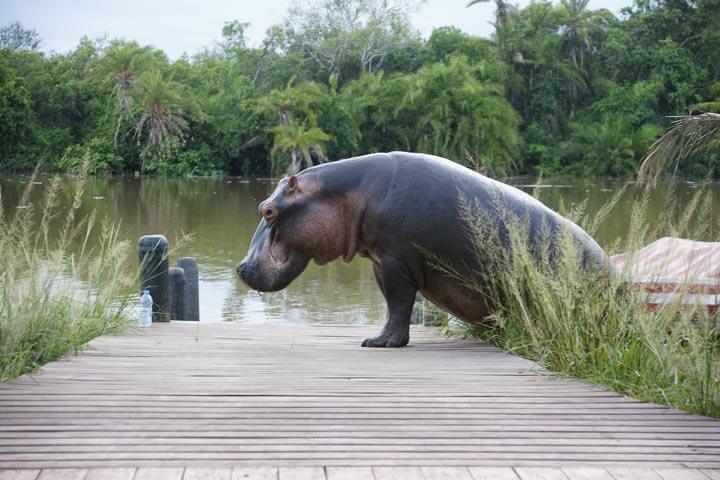
Boat safaris on Lake Victoria are among the most relaxing activities in the park. Visitors travel across the lake while viewing hippos, crocodiles, birds, and island landscapes.

 The boat rides also provide peaceful sunset experiences and opportunities for photography along the lakeshore.

Bird Watching

Rubondo Island National Park is one of the best birdwatching destinations in Tanzania because it hosts hundreds of bird species. Bird lovers can observe fish eagles, kingfishers, herons, hornbills, parrots, and migratory birds from Europe and other regions. 

The combination of forests and lake environments supports a rich bird population throughout the year.

Any Questions

Need Help Planning Your Safari?

Plan Your Dream Tanzania Safari Today

Other Related Safari Destinations

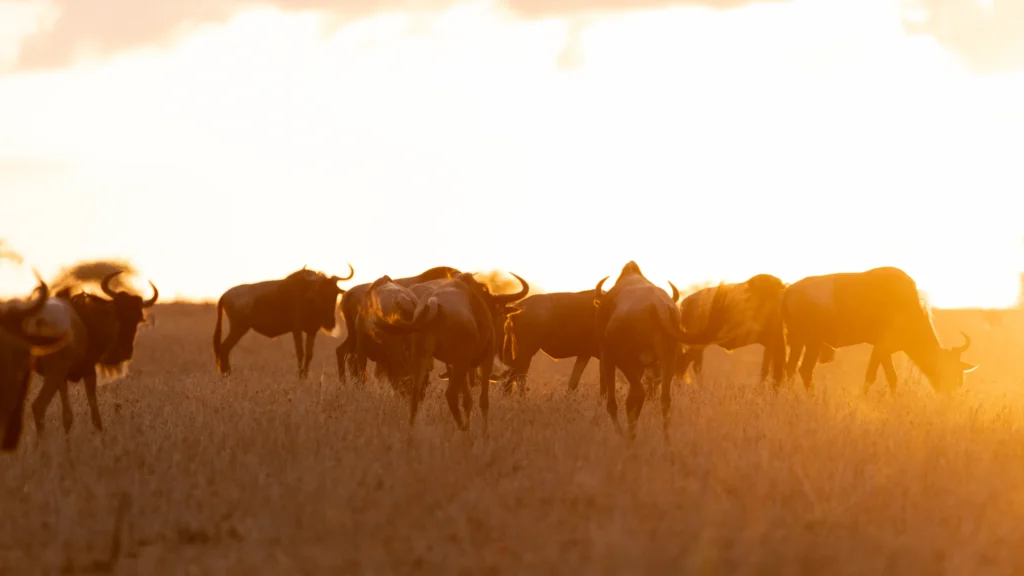
Serengeti National Park

Serengeti National Park will always be the number one to click in peoples mind,  where is Serengeti one would ask,

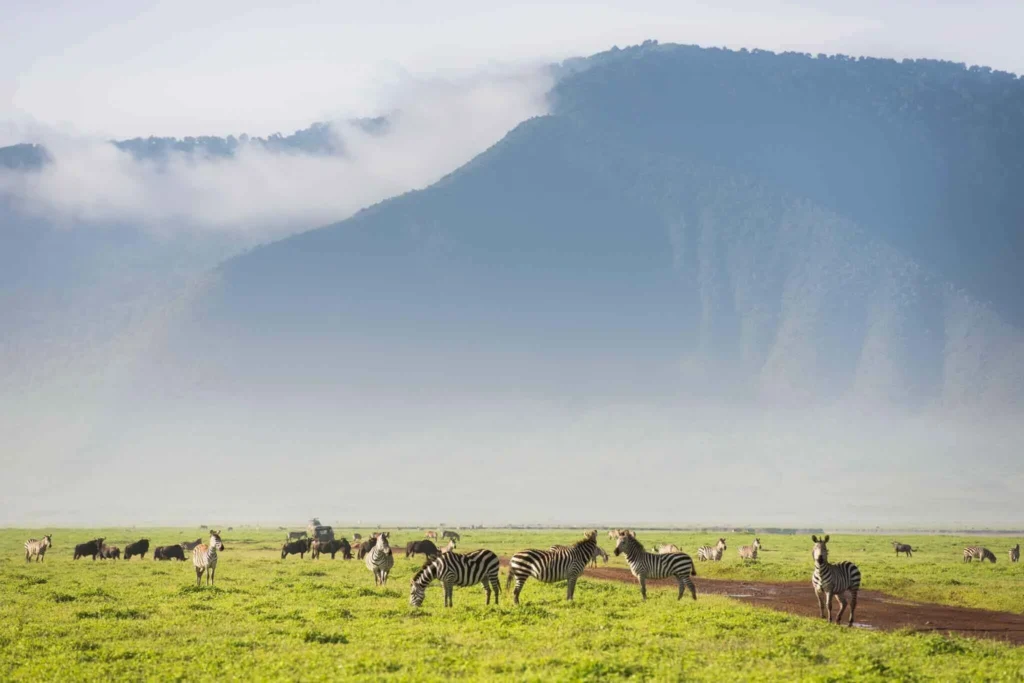
Ngorongoro Crater

Ngorongoro Crater is a large volcanic caldera located in the Ngorongoro Conservation Area, a protected area that spans 

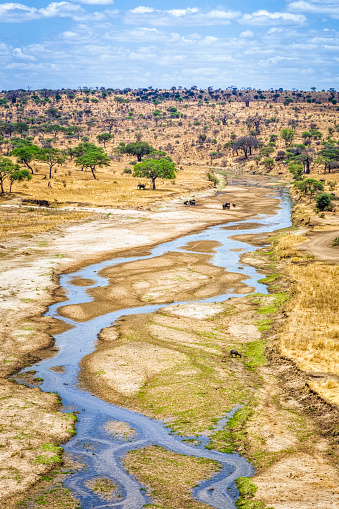
Tarangire National Park

The park derives its name from Tarangire River which runs along at the middle of the park & provides water for animals throughout the year.