Nyerere National Park
Park Overview
As of my last knowledge update in January 2022, Nyerere National Park had not been officially established. However, there were discussions and plans to merge Nyerere National Park with other adjacent wildlife areas to create a larger protected area called Nyerere National Park. This initiative was part of Tanzania’s efforts to enhance conservation and combat poaching.
It’s important to note that the status and details of national parks can change, and new developments may have occurred since my last update.
To get the most current and accurate information about Nyerere National Park, I recommend checking with official sources, such as the Tanzania National Parks Authority (TANAPA) or other relevant government agencies. They can provide the latest information on the establishment, management, and features of the park, as well as any changes in its status or boundaries.
Size:
Nyerere National Park is one of the largest protected areas in Africa, covering approximately 50,000 square kilometers (19,300 square miles). It is larger than some countries.
Location:
Situated in southern Tanzania, the reserve spans parts of the Lindi, Mtwara, and Ruvuma regions. It is named after Frederick Selous, a British explorer, hunter, and conservationist.
UNESCO World Heritage Site:
Nyerere National Park was designated a UNESCO World Heritage Site in 1982 due to its outstanding biodiversity and ecological significance.
Landscape:
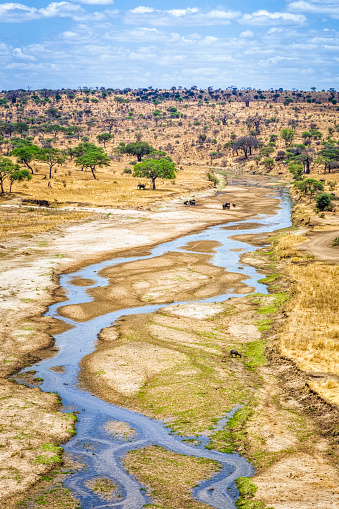
The reserve features diverse landscapes, including grassy plains, woodlands, swamps, and the Rufiji River, the largest river in Tanzania.
The best time to visit Nyerere National Park is during the dry season, when the park becomes most open, accessible, and rewarding for wildlife viewing.
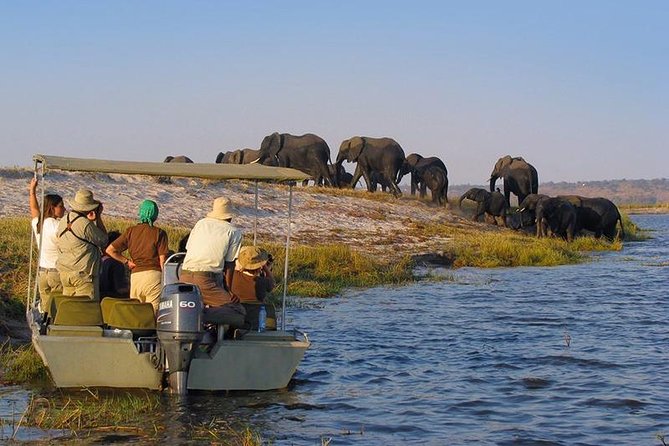
In this period, animals concentrate around the Rufiji River and remaining water sources, making game viewing much easier and more dramatic. You can clearly see large herds of elephants, buffaloes, giraffes, and many predators like lions and crocodiles because the vegetation is thinner and animals are not scattered across flooded areas. Boat safaris on the Rufiji River are especially impressive at this time, with high chances of seeing hippos, crocodiles, and elephants along the riverbanks.
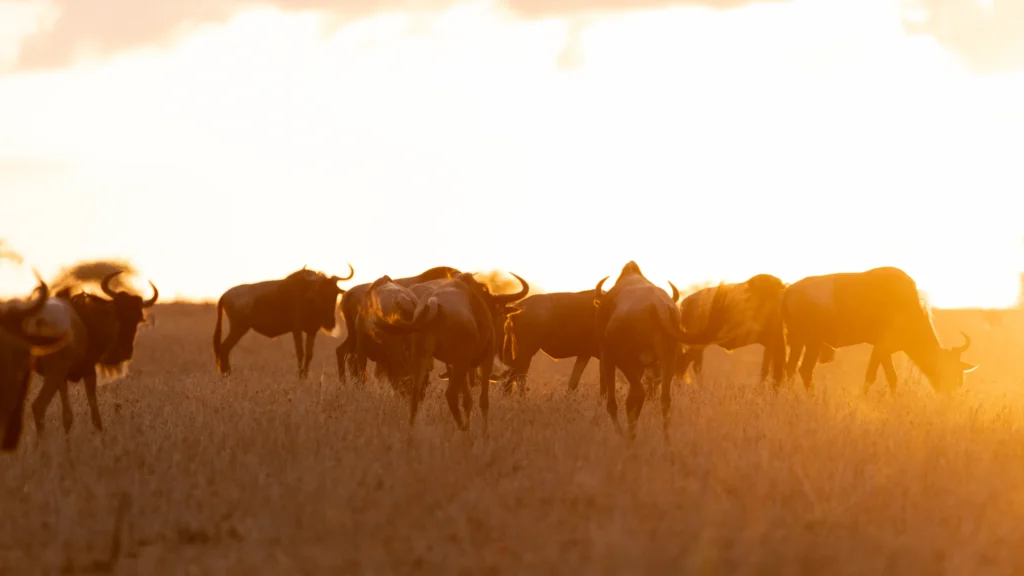
The weather is also more comfortable for safari activities. Roads inside the park are less muddy, which allows smoother game drives and better access to deeper wildlife areas. The skies are often clear, giving beautiful lighting for photography, especially during sunrise and sunset when the river reflects golden colors across the water.
Unlike the rainy season, when parts of the park become difficult to access due to flooding and thick vegetation, the dry season offers a more predictable and immersive safari experience. Wildlife is easier to track, and sightings tend to be more concentrated and consistent throughout the day.
In simple terms, the best time is when Nyerere feels most “alive and visible”—with animals gathering around water, river safaris becoming more active, and the vast wilderness opening up for unforgettable close encounters with nature.

Game Drives
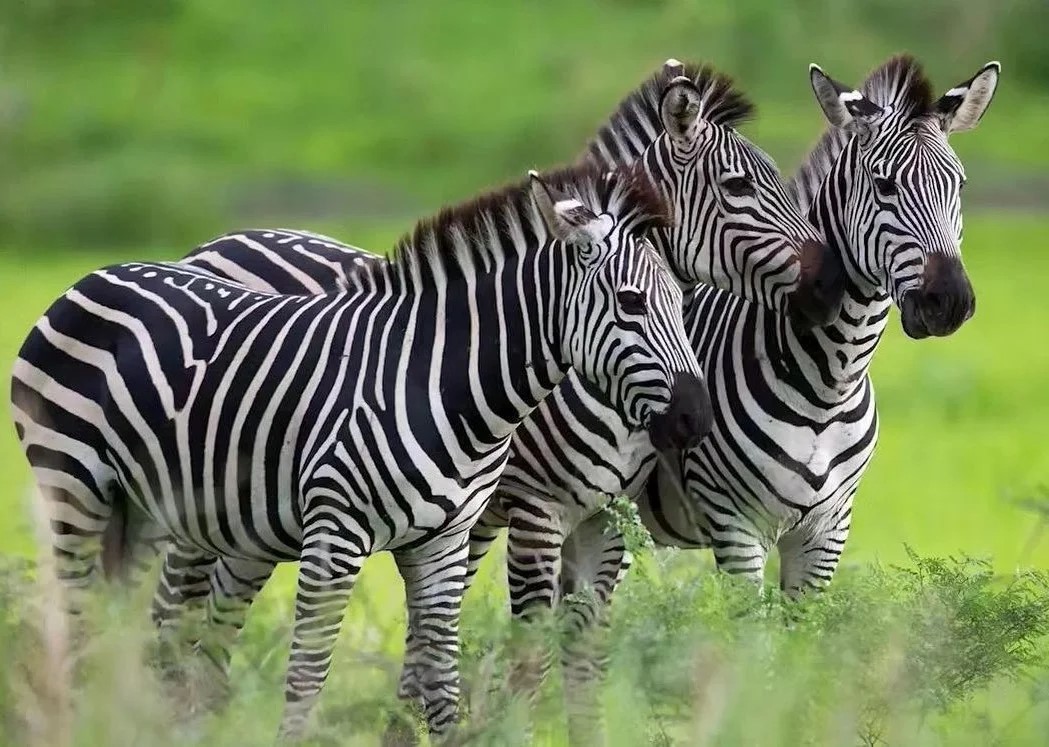
This is the most common safari activity. You explore the park in a 4×4 vehicle through its vast wilderness. The park is very large and less crowded, so you often feel like you have nature to yourself. You can see elephants, lions, giraffes, zebras, buffaloes, hyenas, and sometimes rare wild dogs. Because of the size of the park, every drive feels like a real adventure into untouched Africa.
Boat Safari on Rufiji River
This is one of the unique highlights of Nyerere. Instead of a vehicle, you explore by boat along the Rufiji River. You get close views of hippos, crocodiles, and elephants drinking at the riverbanks. Birds are everywhere—kingfishers, fish eagles, herons—and the sunset views on the water are very beautiful and peaceful.
Walking Safari
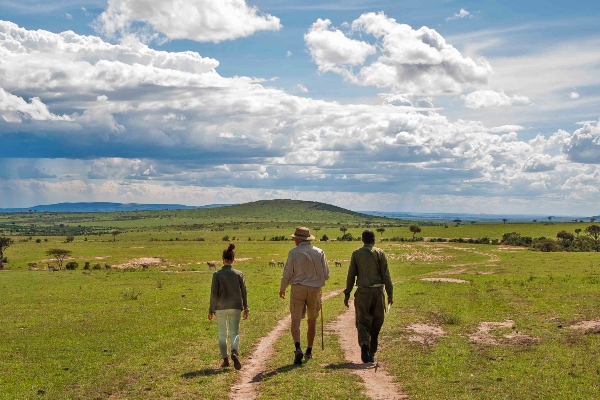
With an armed ranger, you walk in designated areas of the park. This experience is more intimate because you notice small details like animal tracks, plants, insects, and sounds of the bush. Sometimes you can quietly observe giraffes or antelopes at a safe distance. It gives a real feeling of being inside the wild, not just viewing it.
Photography Safaris
Because of its untouched landscapes and fewer tourists, Nyerere is perfect for photography. You can capture wide river scenes, wildlife reflections in water, dramatic sunsets, and large animals moving freely in natural settings. Every moment feels raw and natural, which is ideal for storytelling photos.
Bird Watching
Nyerere is one of the best birding destinations in Tanzania. With rivers, lakes, forests, and open savannah, it supports hundreds of bird species. You can see fish eagles, storks, hornbills, kingfishers, and many migratory birds, especially near water areas
Any Questions
Need Help Planning Your Safari?
- +255 620 887 492
Plan Your Dream Tanzania Safari Today
Other Related Safari Destinations
Serengeti National Park
Serengeti National Park will always be the number one to click in peoples mind, where is Serengeti one would ask,
Ngorongoro Crater
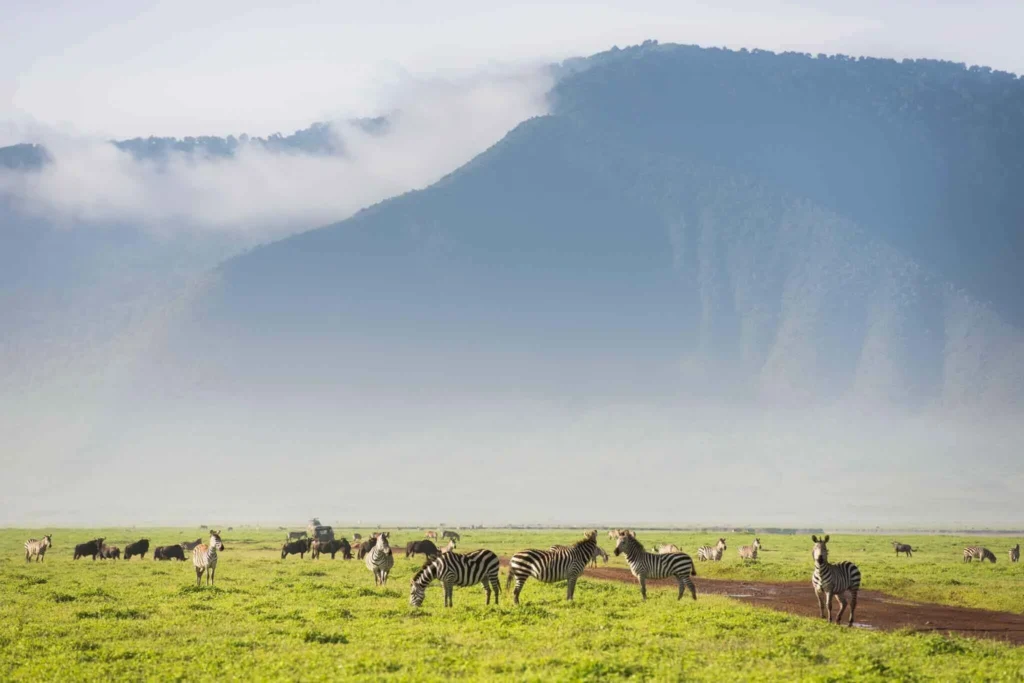
Ngorongoro Crater is a large volcanic caldera located in the Ngorongoro Conservation Area, a protected area that spans
Tarangire National Park
The park derives its name from Tarangire River which runs along at the middle of the park & provides water for animals throughout the year.