Ngorongoro Crater
Park Overview
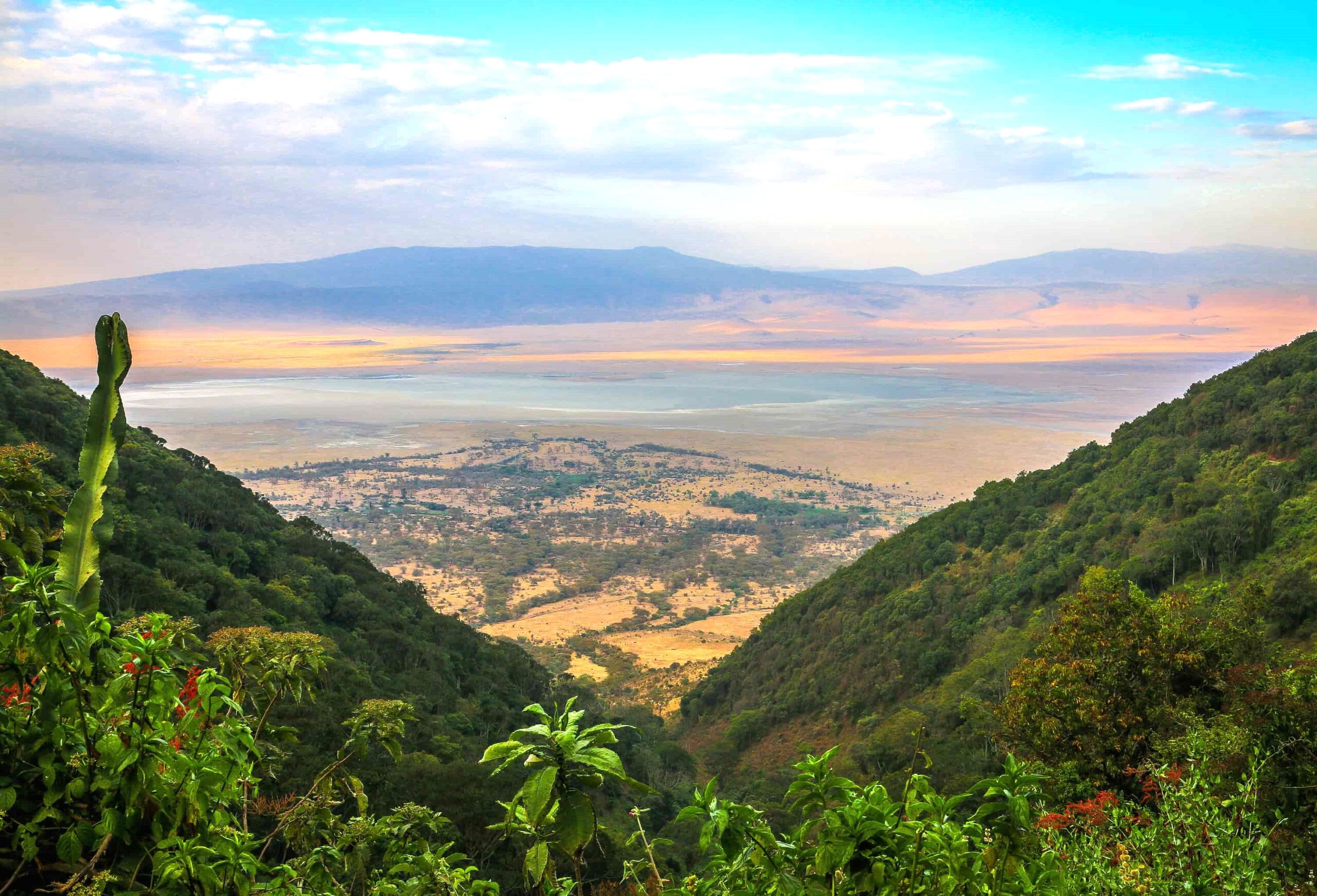
Ngorongoro Crater is a large volcanic caldera located in the Ngorongoro Conservation Area, a protected area that spans approximately 8,292 square kilometers (3,202 square miles). A UNESCO World Heritage Site in northern Tanzania, East Africa.
The Ngorongoro Crater is a unique and remarkable natural wonder, and its conservation is crucial for preserving the rich biodiversity of the region.
- Formation: The Ngorongoro Crater was formed when a large volcano exploded and collapsed on itself around 2 to 3 million years ago. The crater floor covers an area of about 260 square kilometers (100 square miles).
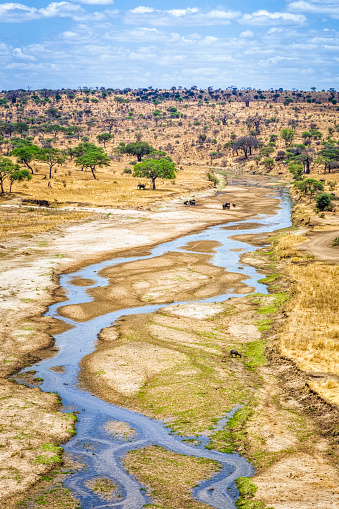
- Geography: The crater is part of the larger Ngorongoro Conservation Area, which spans over 8,000 square kilometers and includes diverse ecosystems, ranging from grasslands and forests to lakes and wetlands.
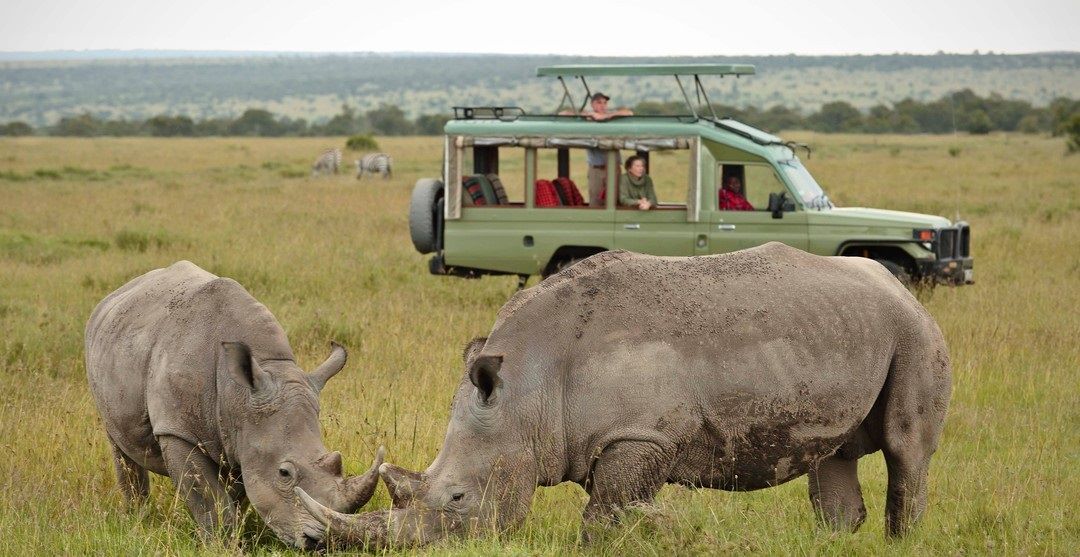
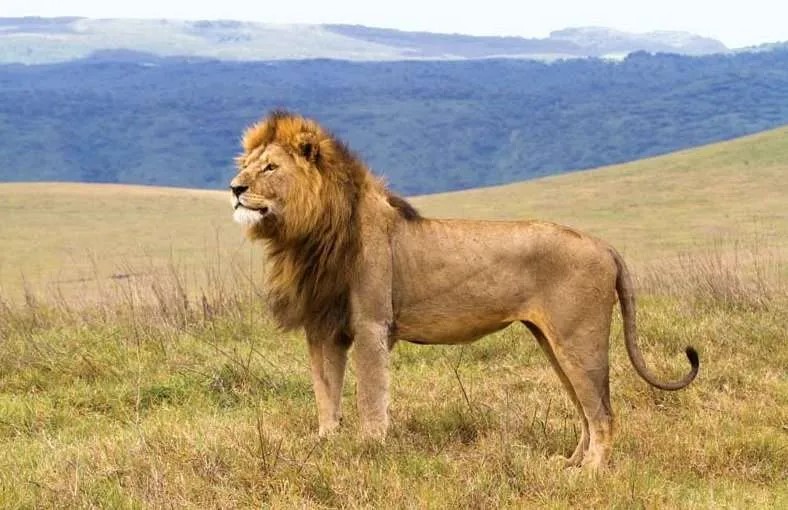
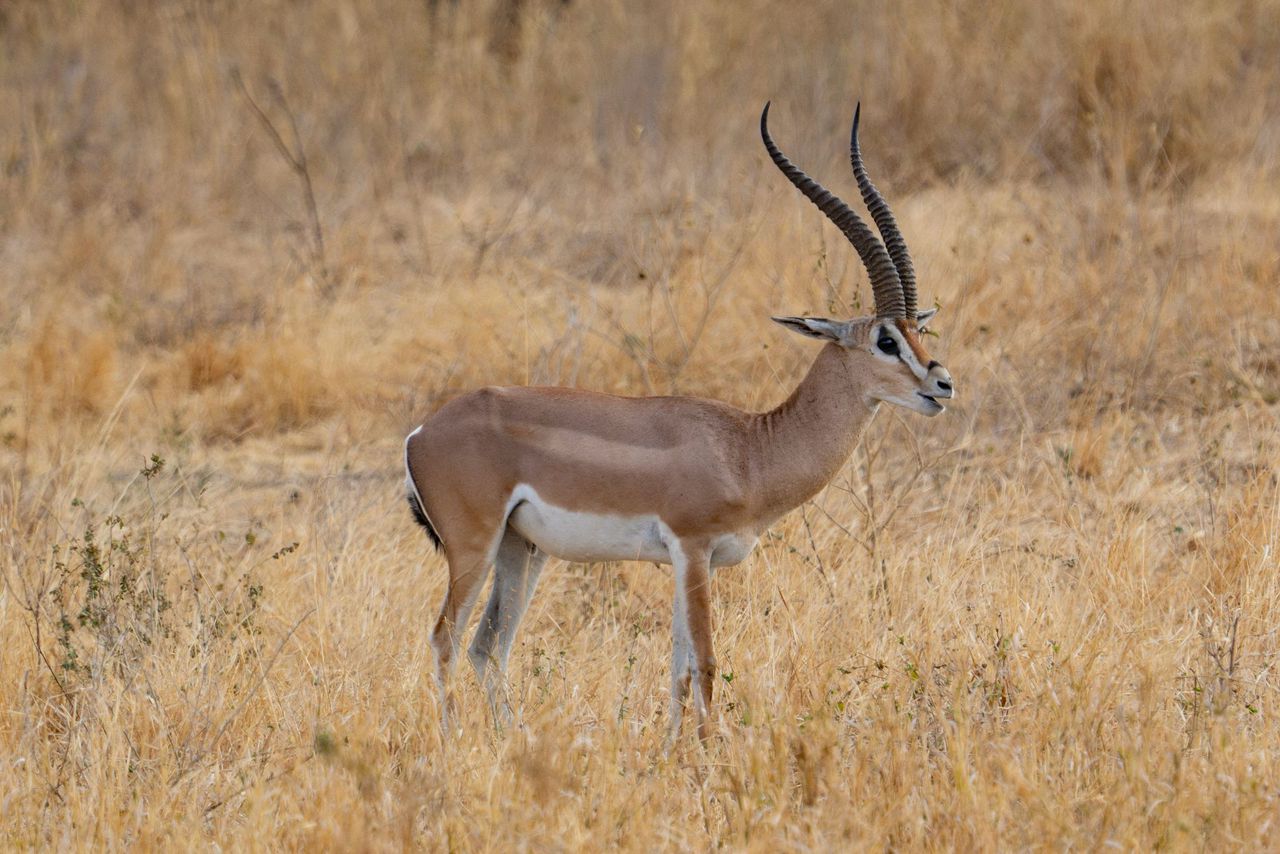
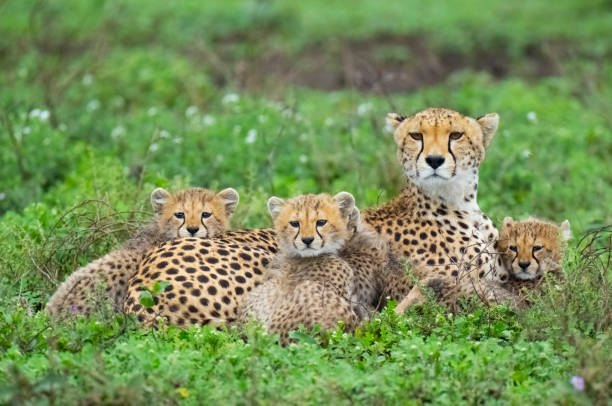
- Wildlife: The Ngorongoro Crater is renowned for its rich biodiversity and is often referred to as the “eighth wonder of the world.” The crater floor is home to a wide variety of wildlife, including lions, elephants, buffalos, rhinos, and wildebeests. The crater’s enclosed nature provides a natural barrier, creating a self-contained ecosystem.
- Conservation Area: In 1959, the Ngorongoro Conservation Area Authority (NCAA) was established to manage the conservation and sustainable use of the area’s natural resources. The Ngorongoro Crater plays a crucial role in this conservation effort.
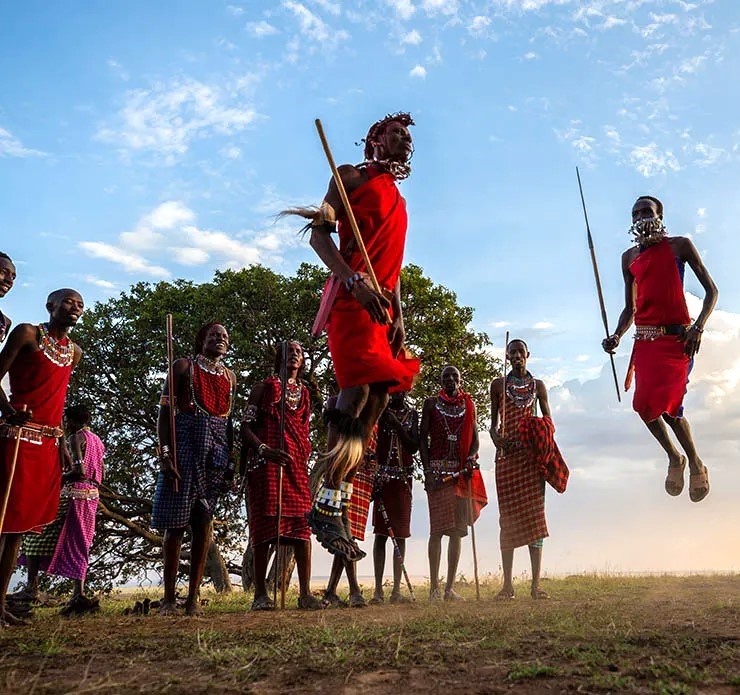
- Maasai People: The Ngorongoro Conservation Area is also home to the Maasai people, who have been living in the region for centuries. They coexist with the wildlife and continue their traditional pastoralist lifestyle.
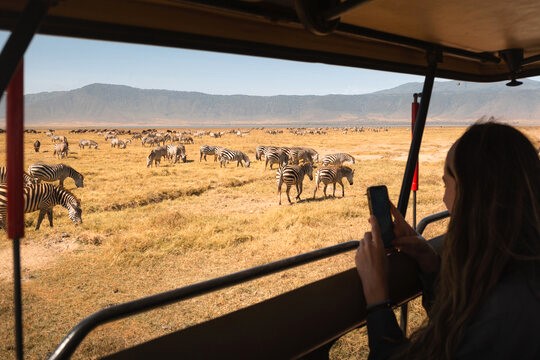
- Tourism: The Ngorongoro Crater is a popular destination for tourists visiting Tanzania. The unique landscape and abundant wildlife make it a prime location for safari experiences. Visitors can take guided tours to observe the diverse flora and fauna within the crater.
- Accommodations: There are various lodges and camps around the rim of the crater that offer accommodation options for visitors. Staying in these lodges provides breathtaking views of the crater and its surroundings.
The best time to visit Ngorongoro Crater is during the dry season when wildlife viewing becomes clear, easy, and very rewarding.
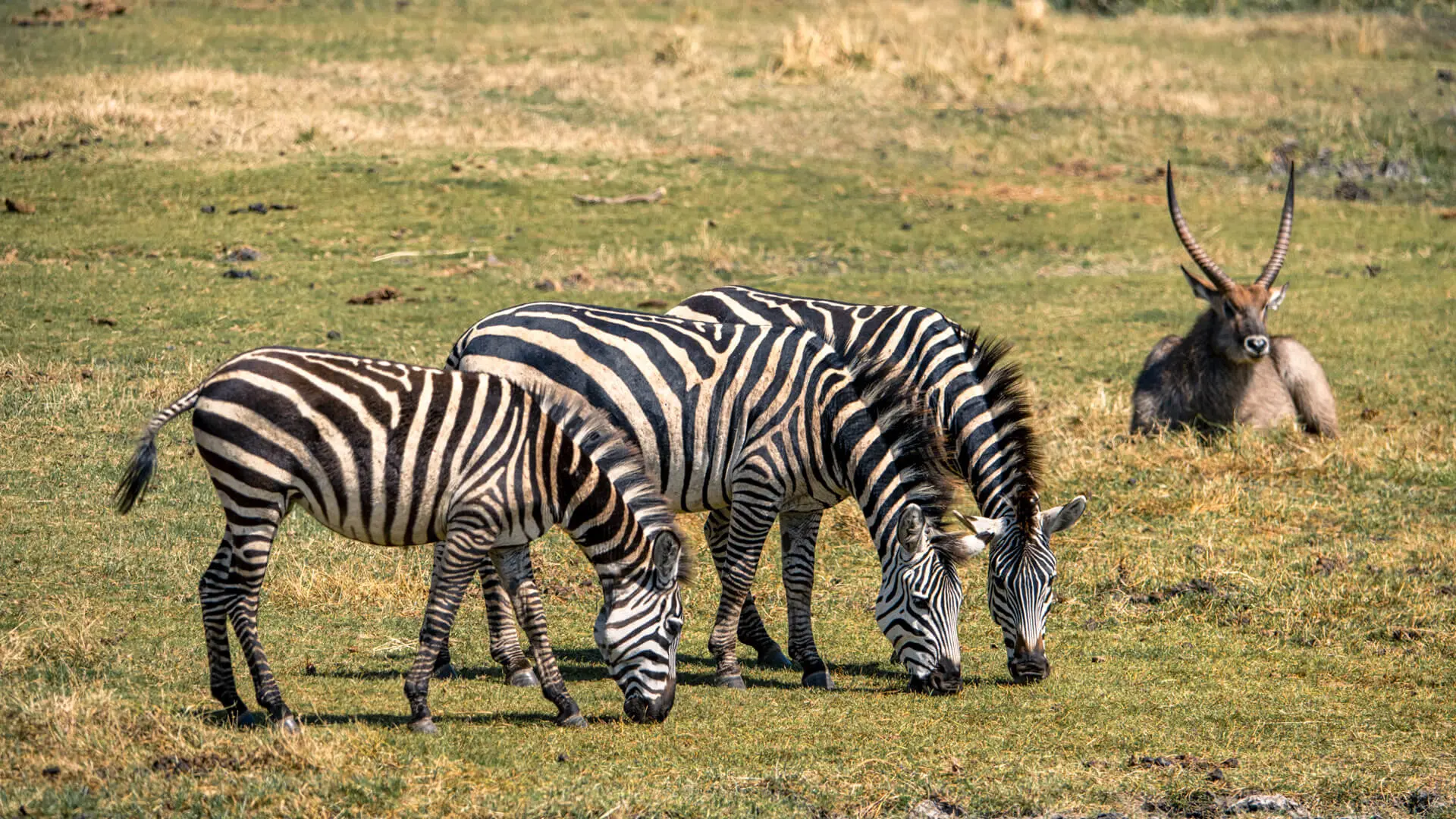
This period is when the crater floor is less muddy and the grass is shorter, so animals gather in open areas around water sources. Because of this, you get excellent chances to see a wide range of wildlife in a very short time, including lions, elephants, buffaloes, zebras, wildebeest, and the rare black rhino. The visibility is also much better, which makes game viewing and photography more enjoyable.
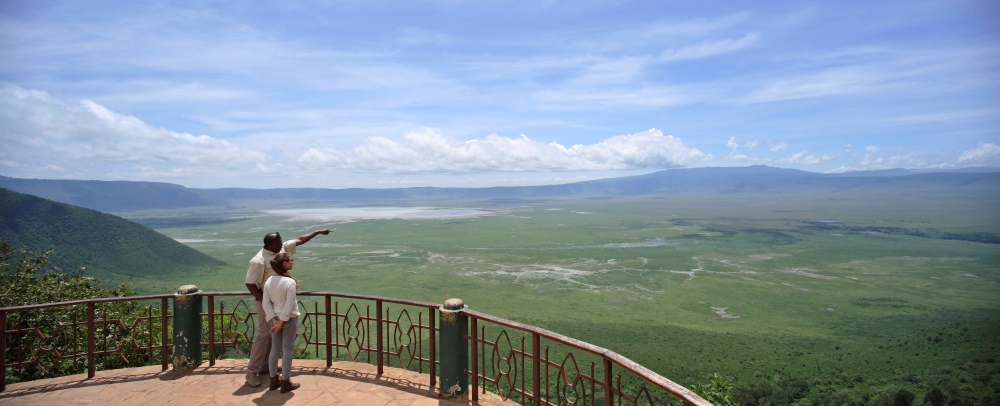
The weather during this time is generally cool and comfortable, especially in the early morning when most game drives begin. The skies are often clear, which gives you beautiful panoramic views from the crater rim before you descend inside. This is one of the most iconic safari experiences in Africa, and good weather makes it even more impressive.
Another advantage of visiting in this period is that animals stay inside the crater more consistently because water and grazing are easier to find in the open areas. This increases your chances of seeing a full “Big Five” experience in a single game drive.
There is also a short window earlier in the year when the landscape is still green after the rains. During this time, the crater looks very beautiful and lush, and newborn animals are often seen. However, the dry season remains the most reliable period for concentrated wildlife sightings and smooth safari conditions.
In simple terms, the best time is when the crater becomes like a natural wildlife arena—clear skies above, open plains below, and animals gathered in perfect visibility for unforgettable safari moments.

Game Drives
This is the core activity and the highlight of visiting Ngorongoro. You descend into the world’s largest unbroken volcanic caldera and drive across its wide grasslands, forests, and lakes.
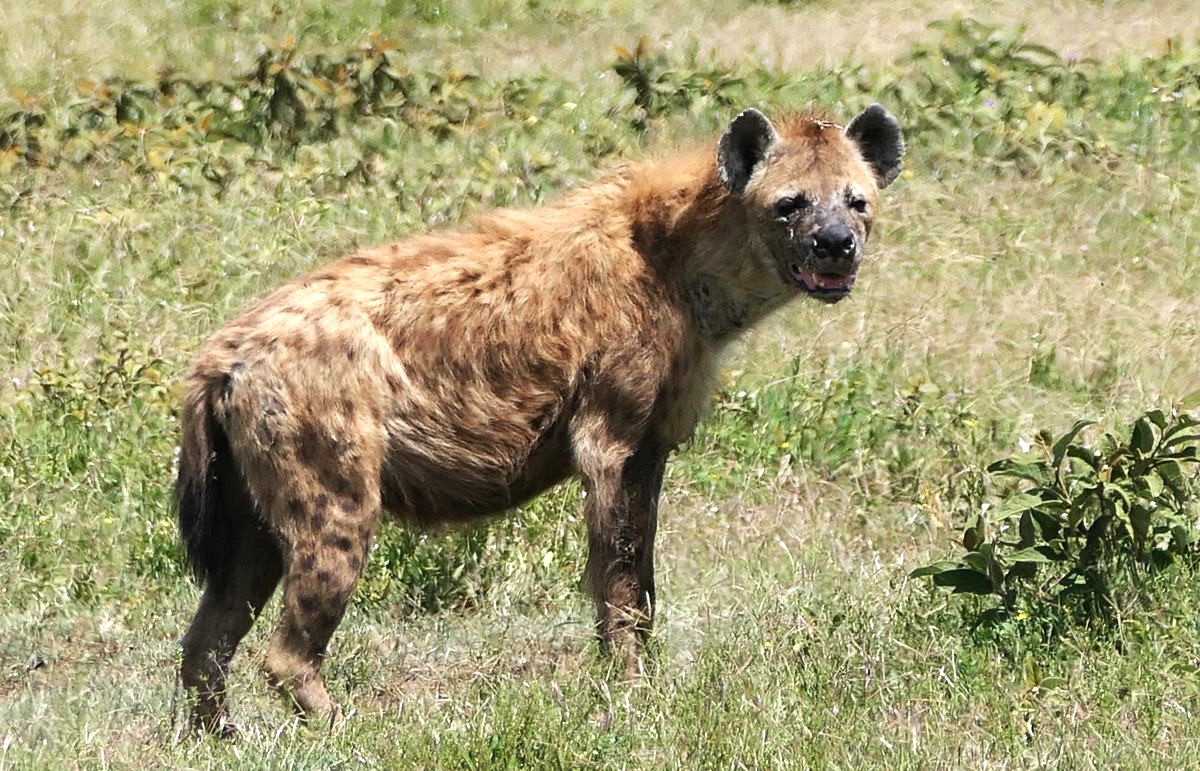
The crater is very special because animals stay inside all year due to permanent water and food supply. You can easily see lions, elephants, buffaloes, zebras, hyenas, wildebeest, and if lucky, the rare black rhino. The density of wildlife makes every moment feel like a live wildlife documentary
Cultural Visit to Maasai Villages (near the crater)
On the edges of the conservation area, you can visit Maasai communities. Here you learn about their traditional lifestyle, cattle culture, dances, and way of living alongside wildlife. It adds a cultural depth to the safari experience.
Crater Rim Viewing
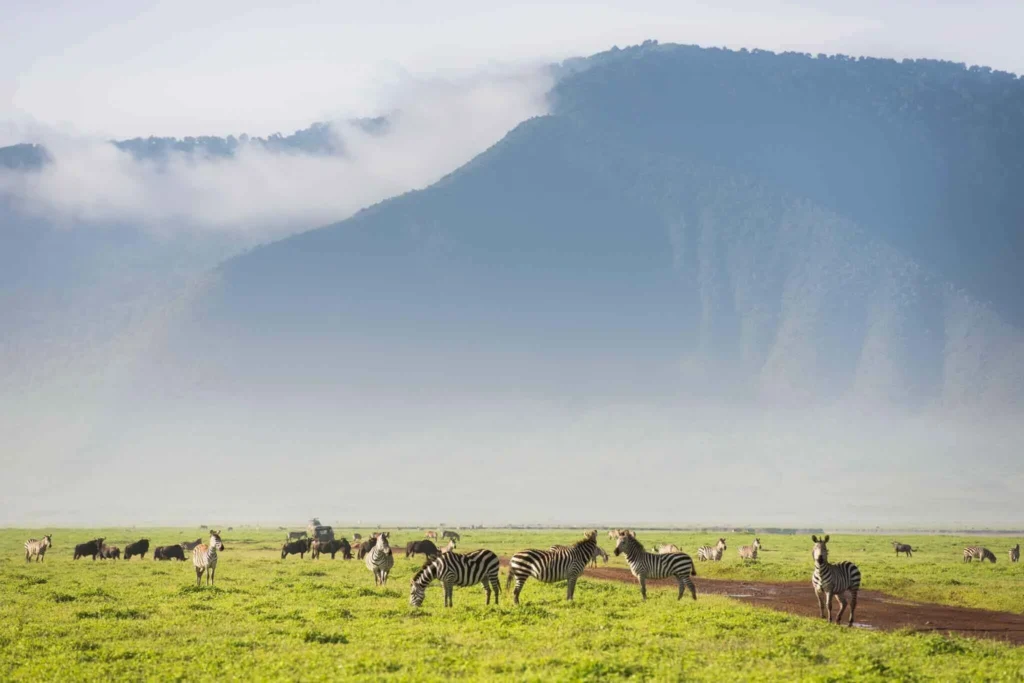
Before entering the crater, visitors stop at viewpoints along the rim to enjoy panoramic views of the entire caldera. The scenery is breathtaking, especially in the morning when clouds and mist float over the crater floor.
Wildlife Photography
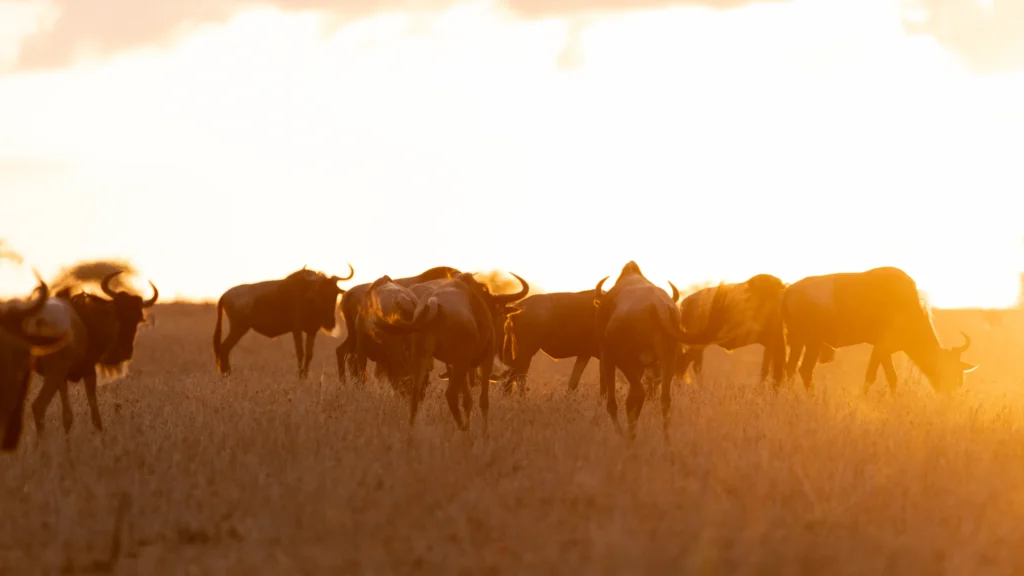
Ngorongoro is one of the best photography locations in Africa because everything is concentrated in one natural bowl.You get dramatic shots of animals with crater walls in the background, misty mornings, and golden light reflecting across the plains.
Early morning is especially powerful for photography because fog sometimes rises over the crater, creating a cinematic atmosphere.
Bird Watching
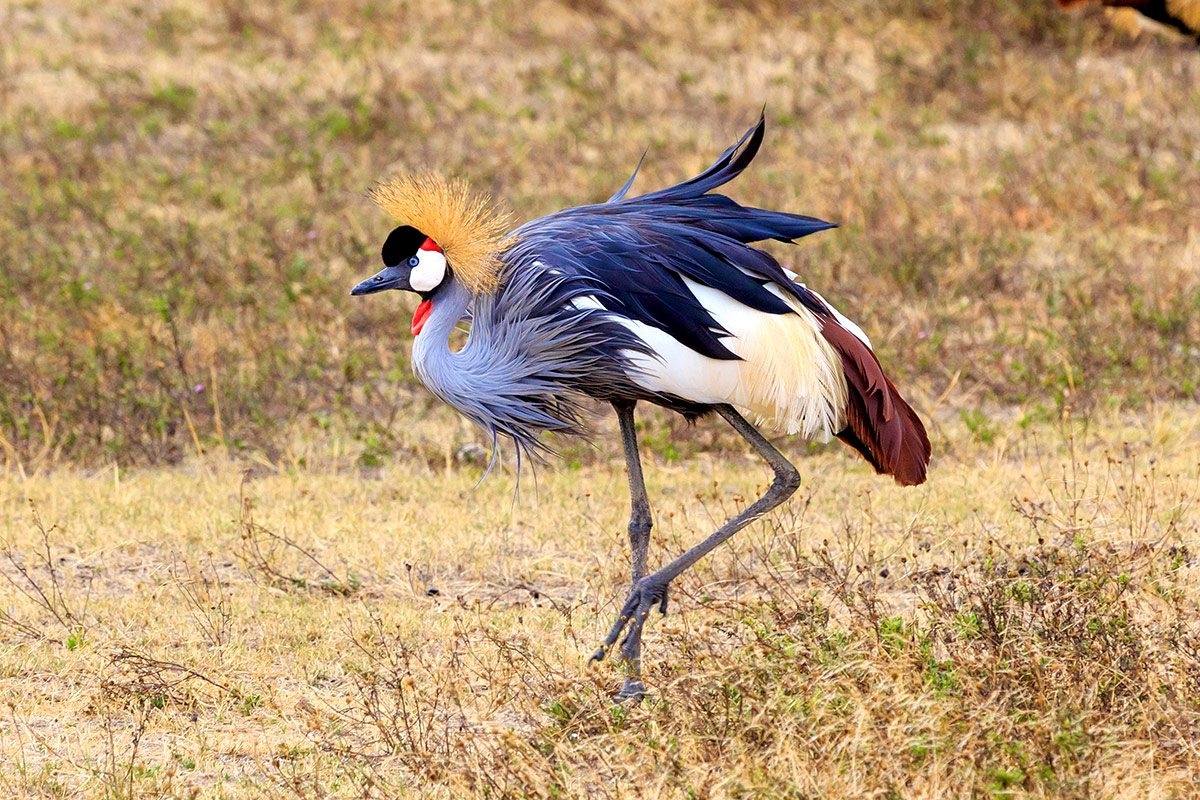
The crater is home to many bird species due to its mix of lakes, swamps, and grasslands. You can see flamingos at Lake Magadi, crowned cranes, ostriches, secretary birds, and many raptors.
Even during a normal game drive, birds are constantly part of the scenery, making it a great place for bird lovers.
Any Questions
Need Help Planning Your Safari?
- +255 620 887 492
Plan Your Dream Tanzania Safari Today
Other Related Safari Destinations
Serengeti National Park
Serengeti National Park will always be the number one to click in peoples mind, where is Serengeti one would ask,
Ngorongoro Crater
Ngorongoro Crater is a large volcanic caldera located in the Ngorongoro Conservation Area, a protected area that spans
Tarangire National Park
The park derives its name from Tarangire River which runs along at the middle of the park & provides water for animals throughout the year.