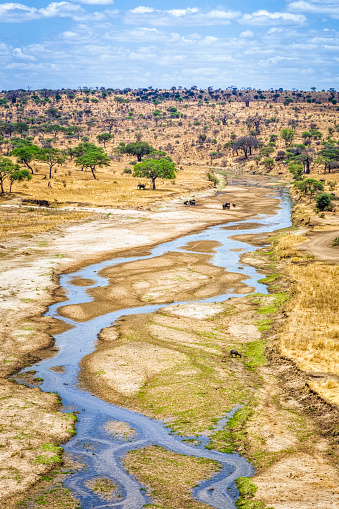
Ruaha National Park in Tanzania is part of the Rungwa-Kizigo-Muhesi ecosystem which covers 45 000 square kilometers. The name Ruaha originates from the Hehe word ‘ruvaha’ which means ‘river’. The park history dates back to 1910.
In the years after various reserves and wetlands were incorporated into Ruaha National Park. Today it is the largest Park in Tanzania and East Africa – with an area of about 2230226 square kilometres.
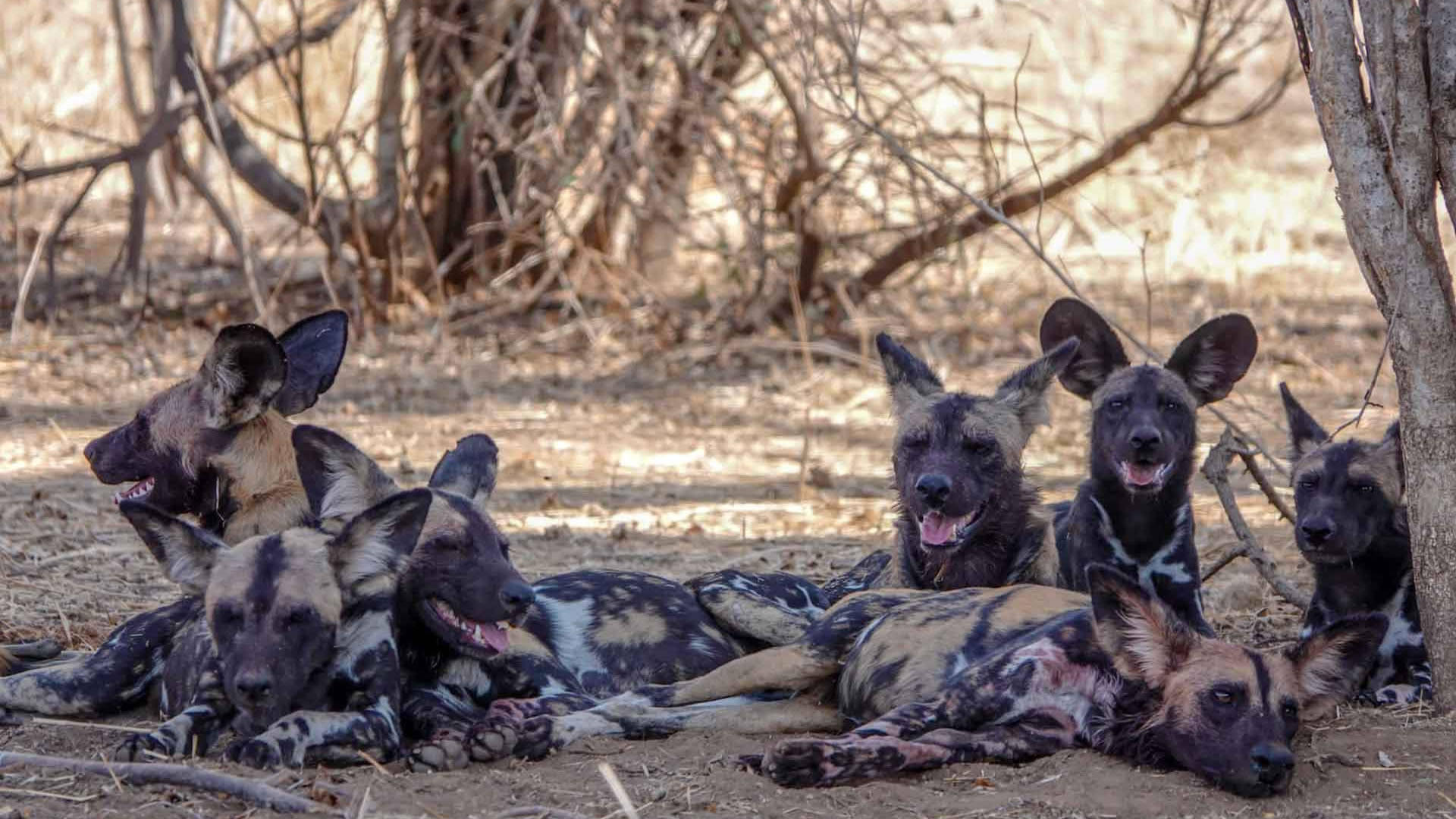
The park serves both wildlife and human settlement – downstream there is farming activity and the hydroelectric power plant which supplies the country with power. Ruaha National Park has a high diversity or plant and animal life including elephant, buffalo, wild dogs and various species of antelope. The park is accessible by air and by road.
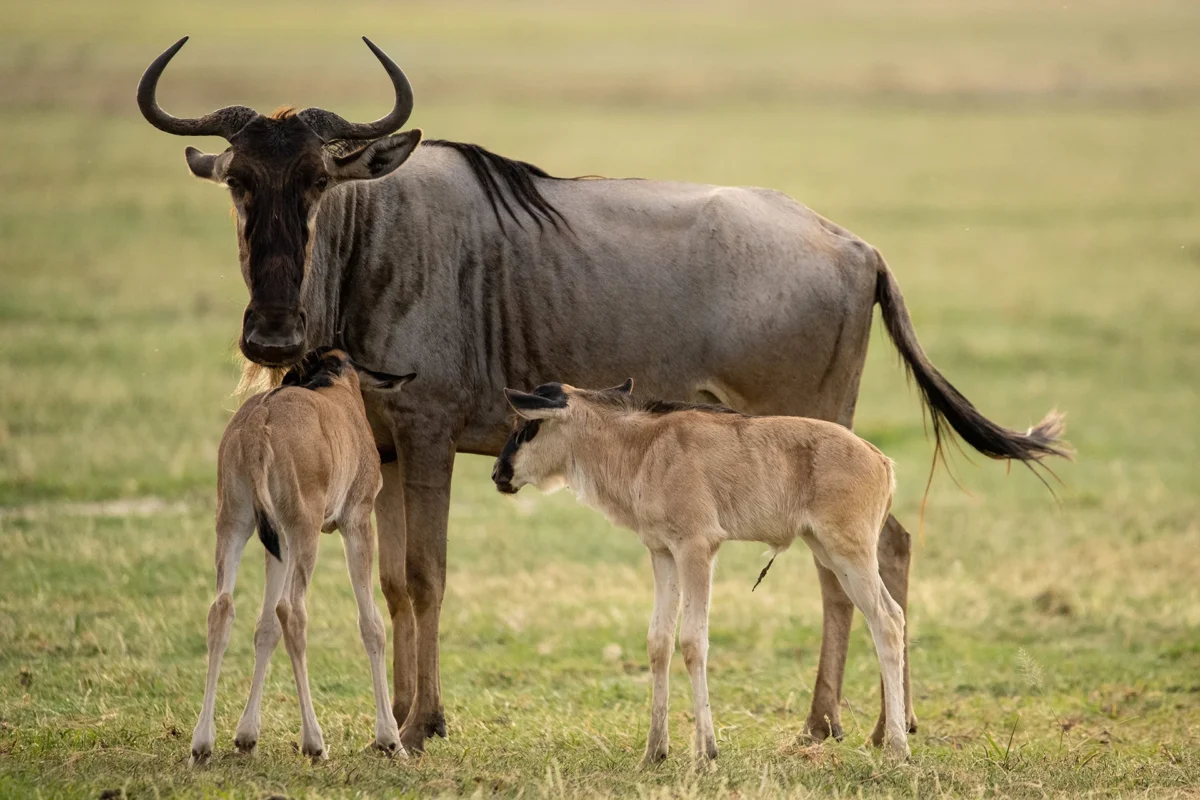
The park offers game viewing, walking safaris, bird watching and bush meals. The best time of the year to see large mammals and cats is during the dry season of May to December. January to May – the wet season – is ideal for birdwatching, wildflowers and Kudu, whose breeding season is in June. Ruaha National Park’s variety of plants, animals, birdlife, mountains, wetlands and natural springs provide an array of safari choices. See Ruaha National Park safaris in Tanzania below.
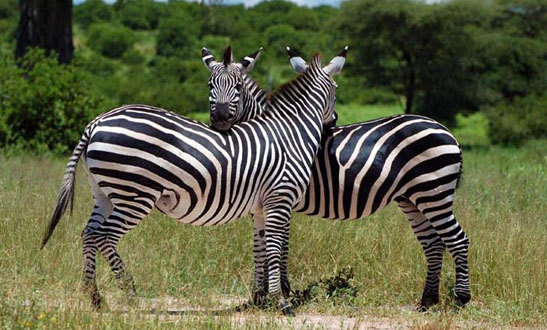
The best time to visit Ruaha National Park is during the dry season from June to October when wildlife viewing becomes exceptional and animals gather around the Great Ruaha River and remaining water sources. During this period the vegetation is thinner, making it easier to spot large elephant herds, lions, leopards, giraffes, buffaloes, zebras, and many antelope species across the open landscapes. The weather is generally sunny and comfortable, creating excellent conditions for game drives, photography, and exploring the park’s dramatic scenery.
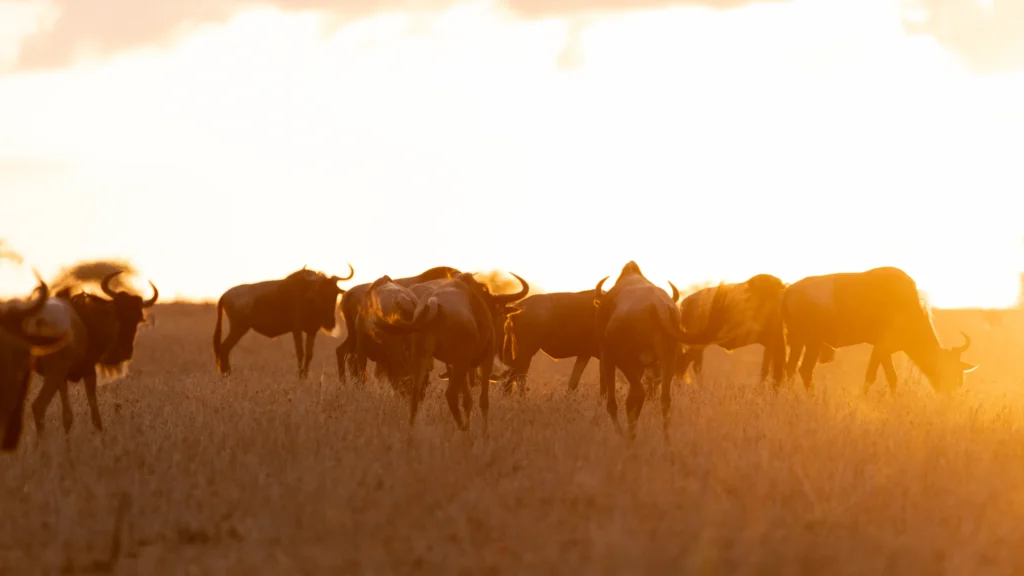
Ruaha is especially famous for its large predator population, and the dry season offers better chances to witness hunting behavior and interactions between animals near the riverbanks. The park’s rugged baobab-filled landscapes become even more beautiful under the golden dry-season light, providing unforgettable safari experiences and stunning photography opportunities.
The green season from November to April also offers a unique experience as the park transforms into a lush paradise with vibrant vegetation, flowing rivers, and beautiful scenery. This period is ideal for birdwatching because migratory birds arrive in large numbers, filling the park with color and activity. The landscapes become greener and quieter with fewer visitors, creating a peaceful safari atmosphere. However, heavy rains between March and May may affect some roads and make wildlife more difficult to locate because animals spread across the park.

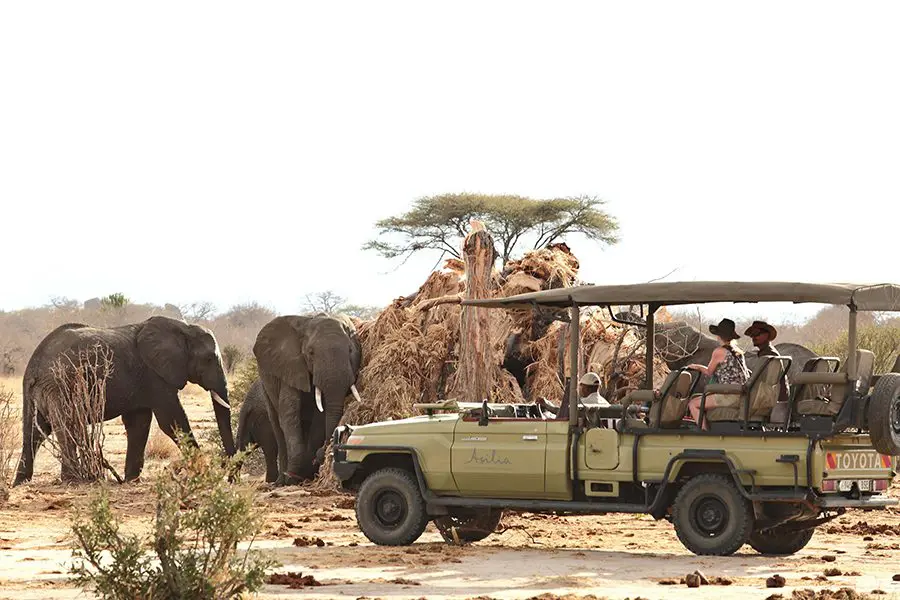
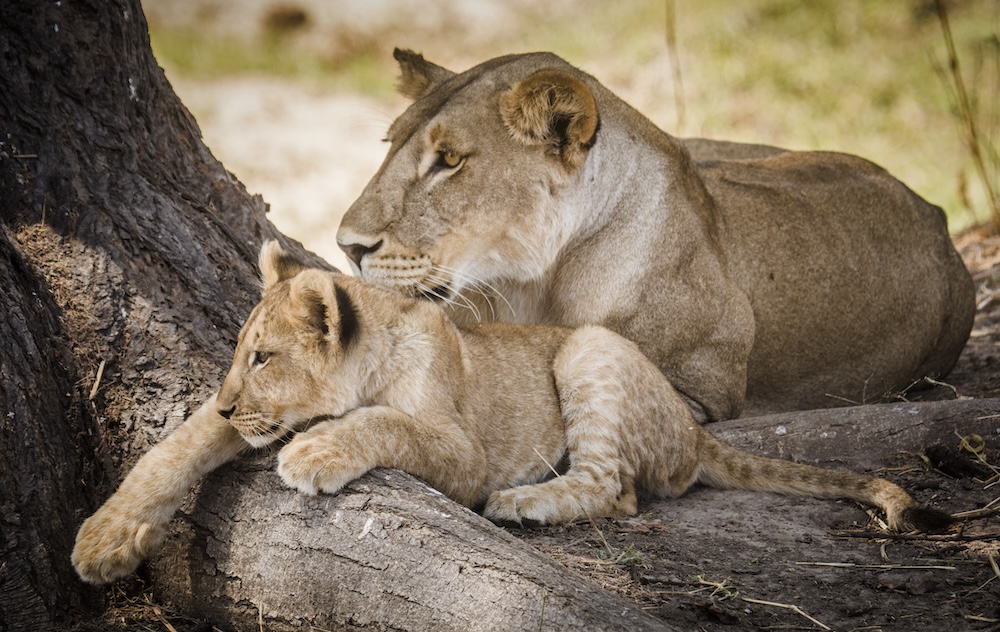
Game drives are the most popular activity where you travel through vast savannahs, rocky hills, and river valleys while searching for large elephant herds, lions, leopards, wild dogs, giraffes, buffaloes, and many antelope species.
Because the park is less crowded than many northern parks, the safari feels more private and wild, giving you a true sense of African wilderness
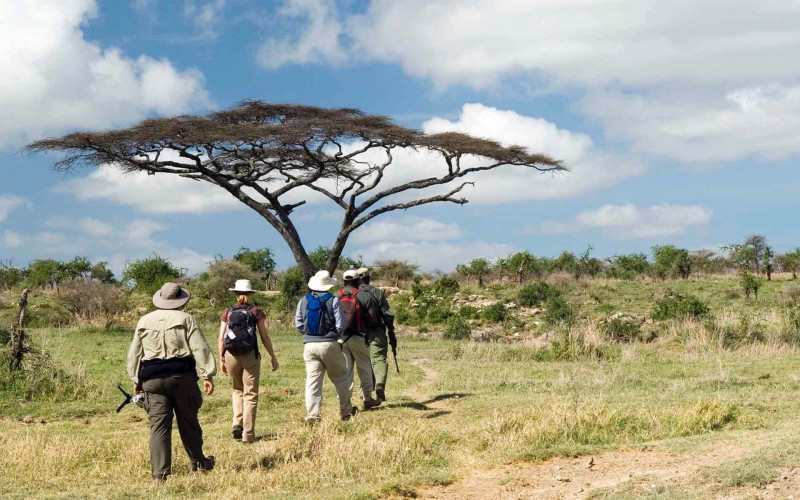
Walking safaris are also available in selected areas and they allow you to explore the bush on foot with an armed ranger and guide.
This experience gives you a closer understanding of animal tracks, plants, insects, and the smaller details of the ecosystem that you normally miss from a vehicle
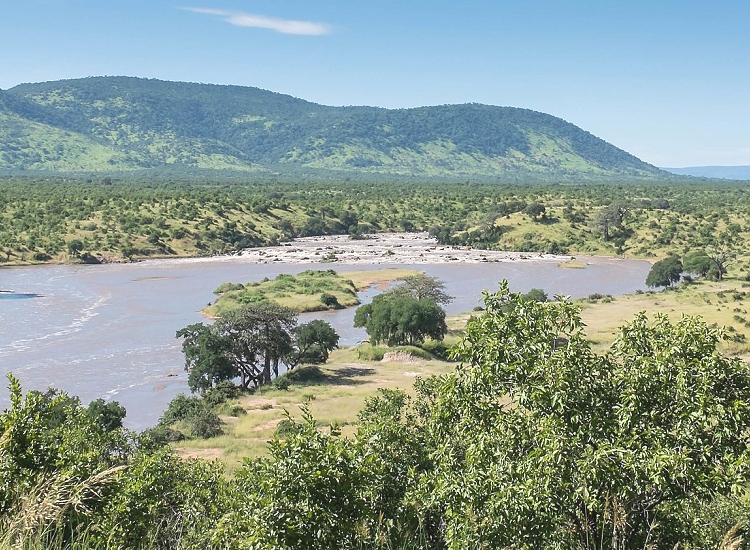
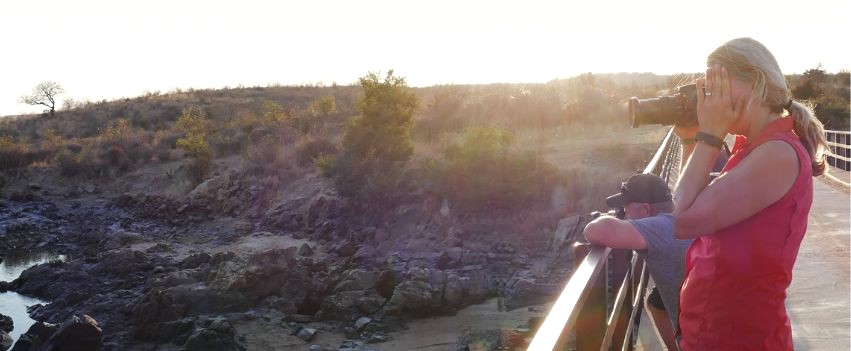
River viewing along the Great Ruaha River is very special because many animals gather there to drink and cool down especially in the dry season.
This makes it one of the best places to observe predators and prey interactions in natural conditions
Photography safaris are very rewarding due to the dramatic landscapes filled with baobab trees, rocky outcrops, golden plains, and wildlife scenes that look different throughout the day with changing light conditions
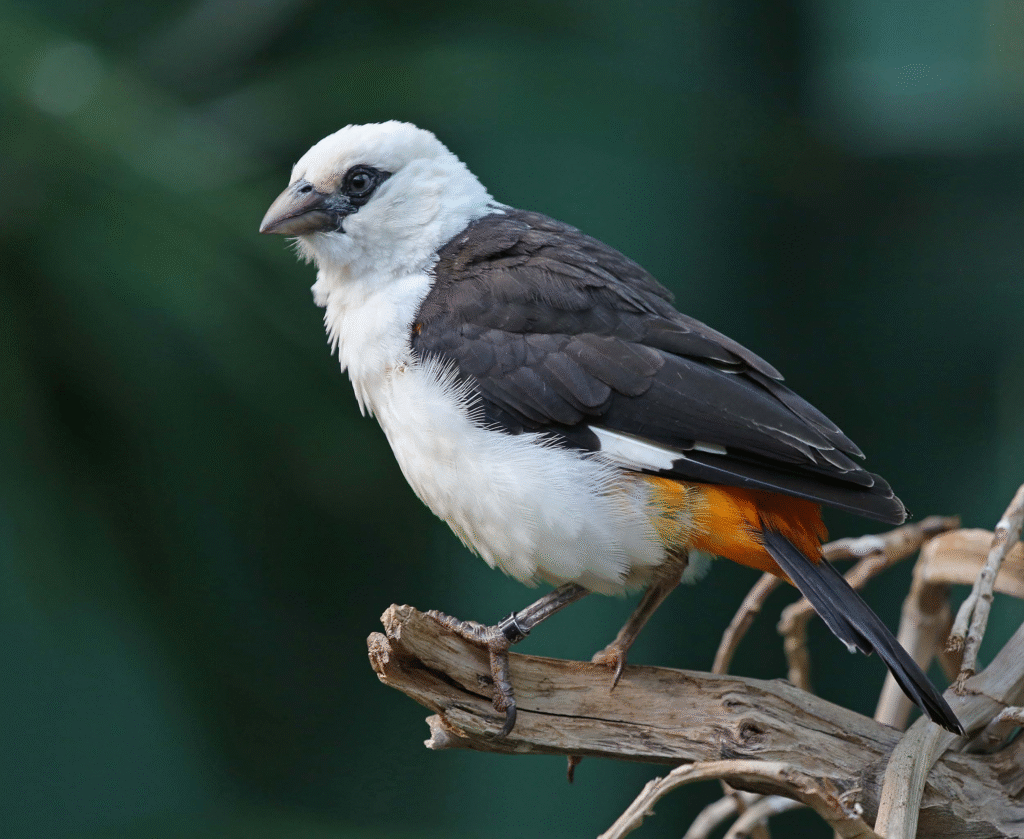
Birdwatching is another major activity since Ruaha has hundreds of bird species including colorful bee eaters, hornbills, kingfishers, and migratory birds that appear during the green season, making it a great destination for bird lovers and photographer
Serengeti National Park will always be the number one to click in peoples mind, where is Serengeti one would ask,
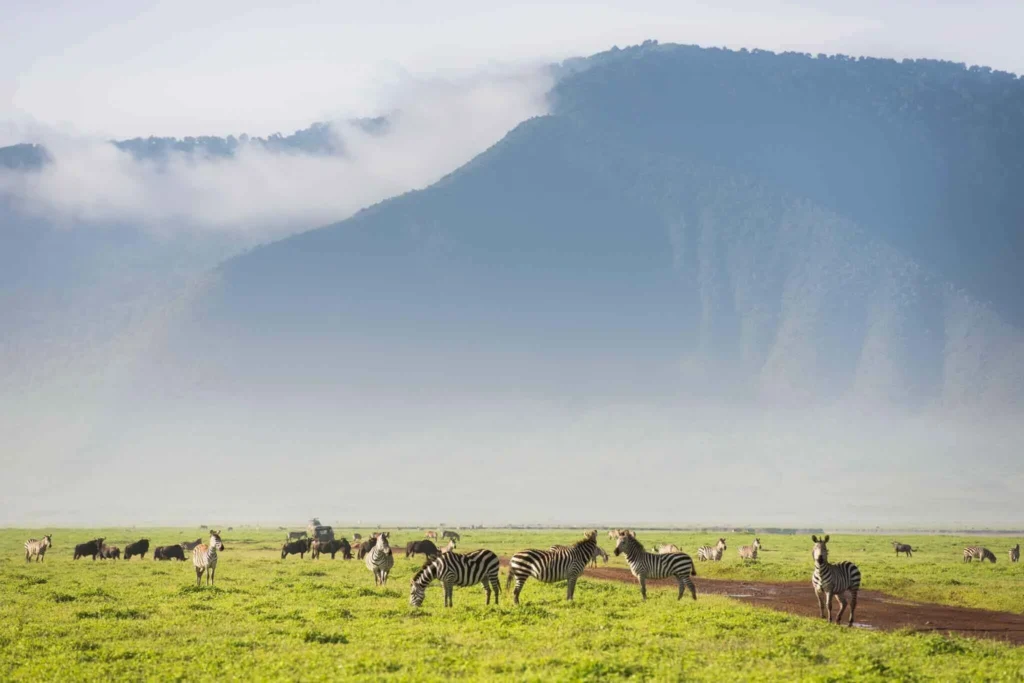
Ngorongoro Crater is a large volcanic caldera located in the Ngorongoro Conservation Area, a protected area that spans
The park derives its name from Tarangire River which runs along at the middle of the park & provides water for animals throughout the year.