Tarangire National Park

Park Overview

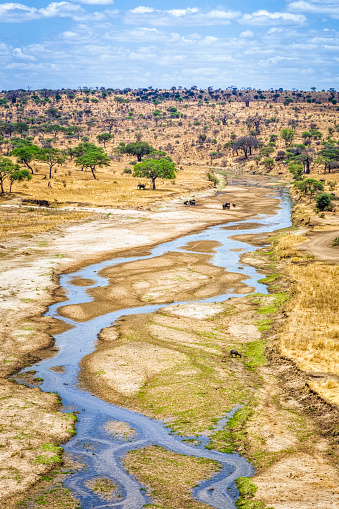
The park derives its name from Tarangire River which runs along at the middle of the park & provides water for animals throughout the year. The park lies in a tropical semi-arid characterized by a prolonged dry season lasting up to seven months. The rainfall regime is bi-modal, with the short rainfall between November and January and the long rains from March through May

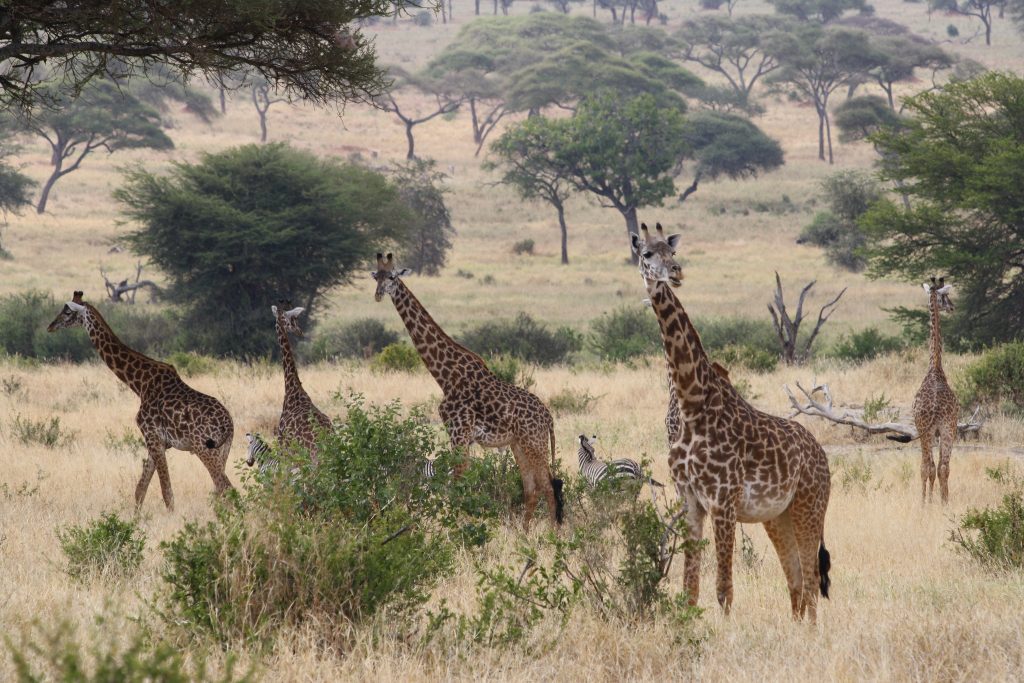
VEGETATION. The vegetation is mainly consisting of a larger open grassland with countless acacia trees, Giant African baobab trees, tamarind, and sausage trees dwarfing animals that feed beneath it

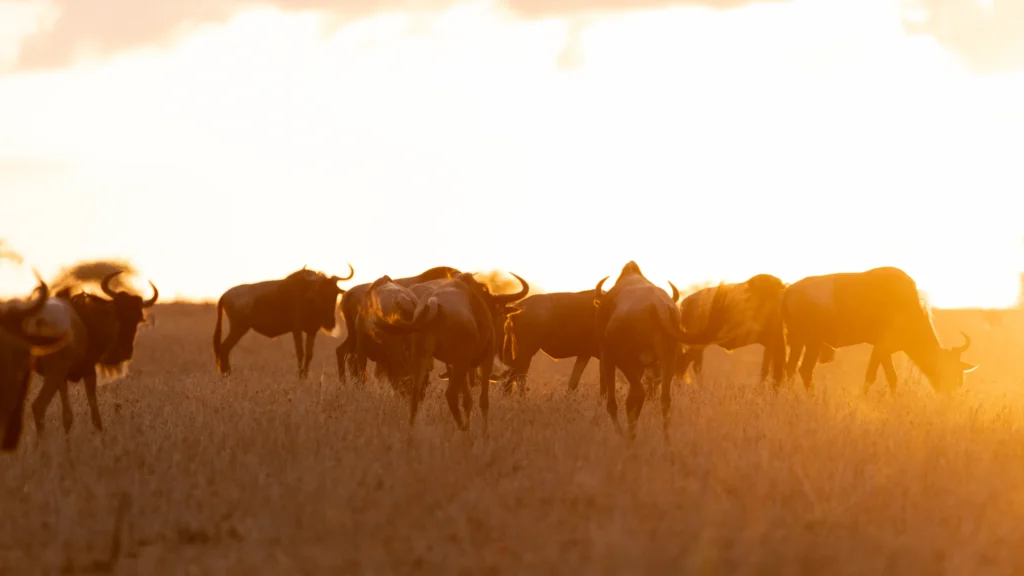
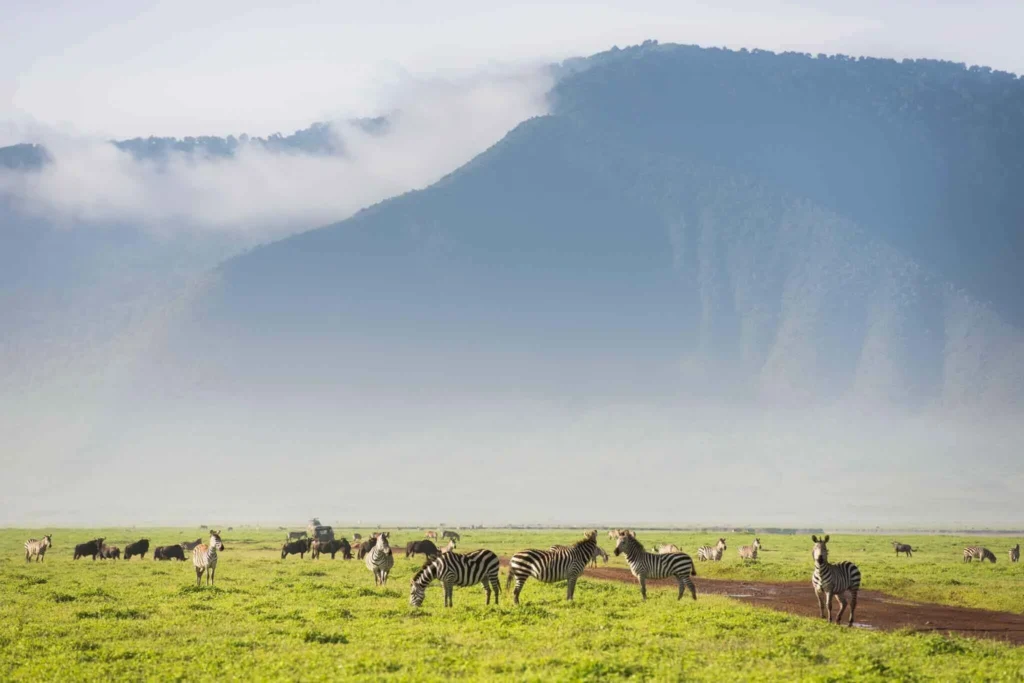
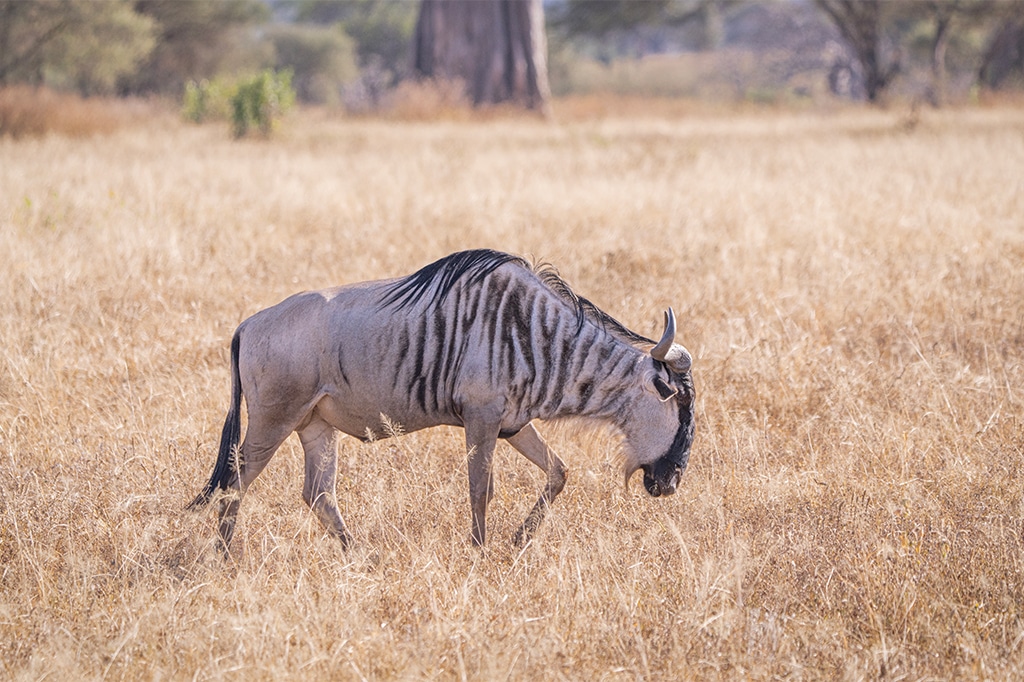
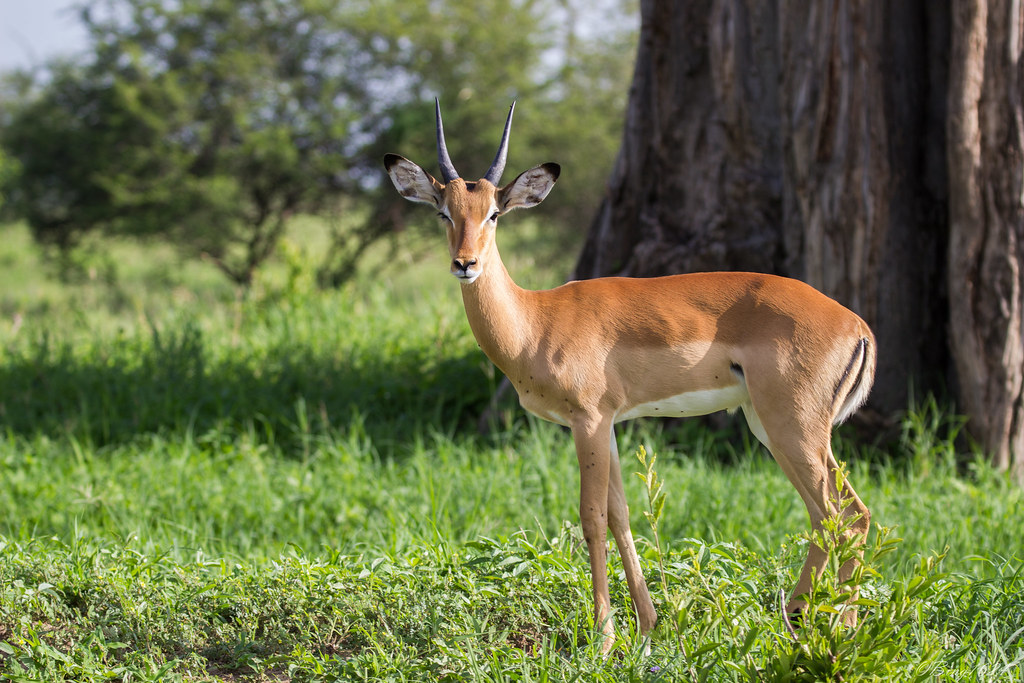
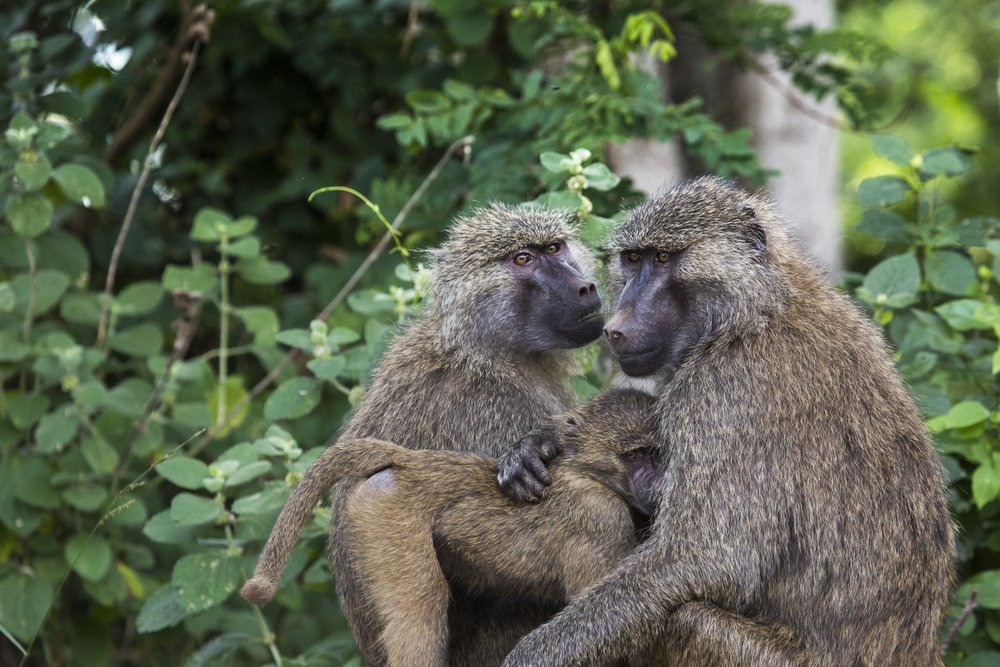
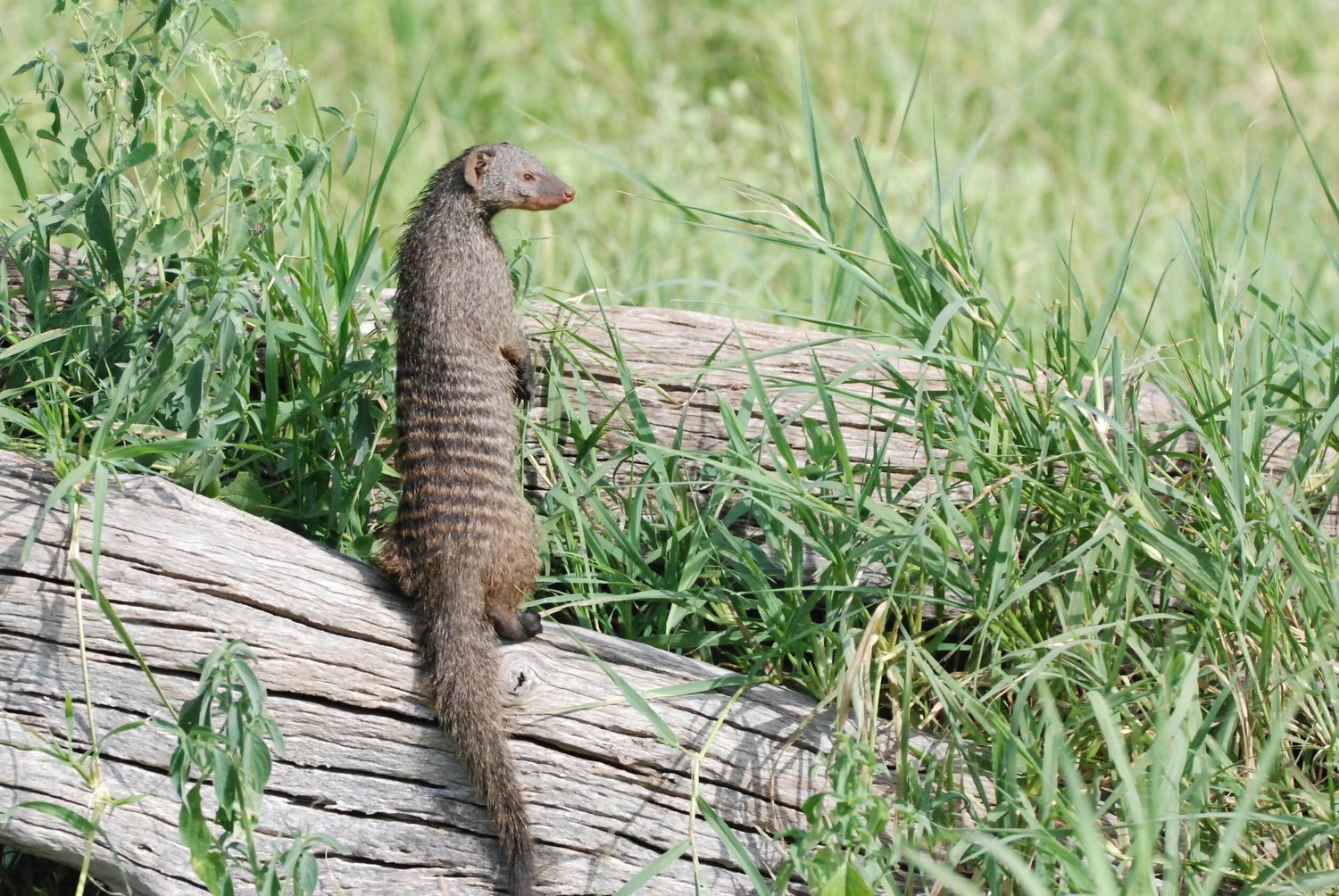
Tarangire National Park is reputed for its massive herds of Elephants entertaining visitors by their habit of browsing & debarking. Other animals to be seen includes wildebeest, warthogs, giraffe, zebra, gazelles, impala, lions & leopard. The rare species of Great Kudu and the Fringed-eared  Oryx are inhabited in this park.  The Park is home to thousands of birds, over 400 bird species have been recorded including the rare Ash stalling.

Yearly around but the period stretches between June to November, is the best time for game viewing in Tarangire.

ACCOMMODATION.

Accommodation at Tarangire National Park are Mainly Lodges, Tented Camps and Campsite. Lodges & Camps at this area are falling into three categories of budget, mid-range & luxury,

Day trip to Tarangire National Park from the Tourism capital Arusha can easily be arranged which mostly start in the morning from 7.30 with a driving time of 2.5 hours. The driving is along The Great Northern Highway which passes across many Masai village, packed lunch should be carried during this trip. We mostly combine this Park in our Northern Tanzania safari package.

Game Drives

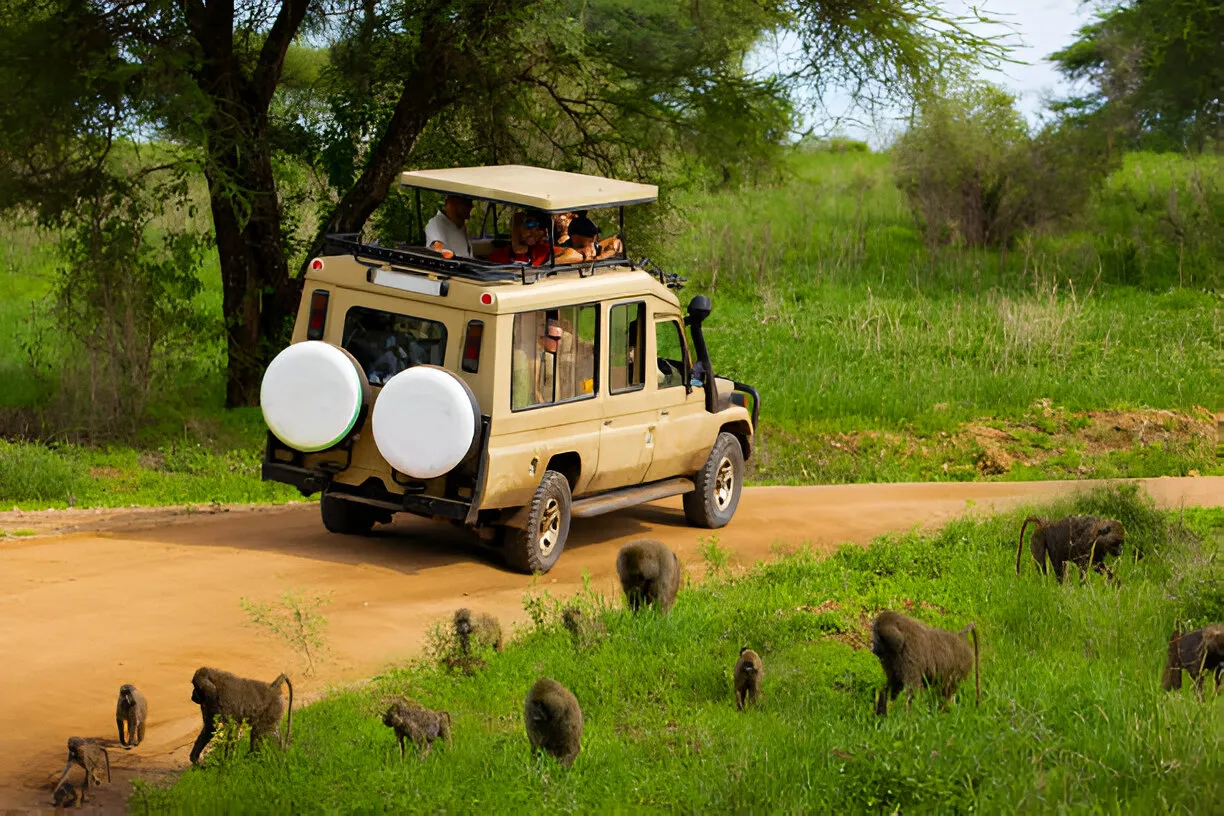
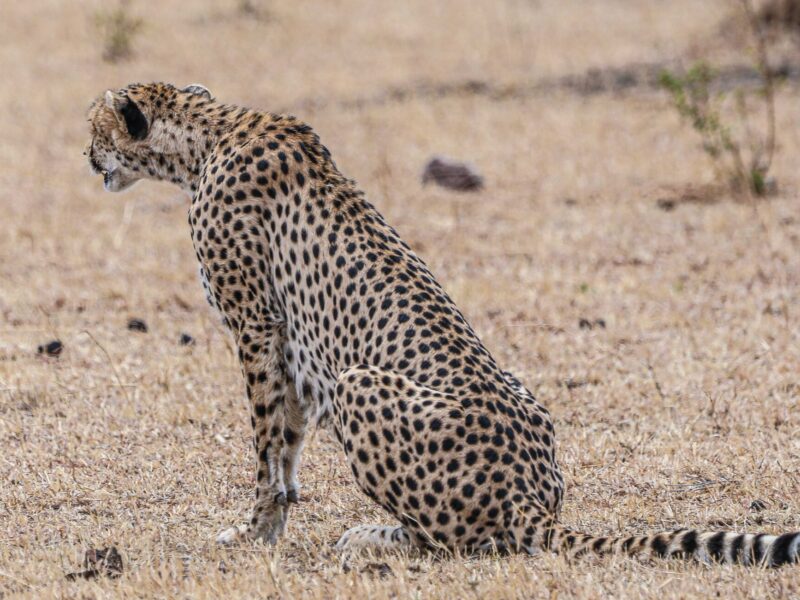
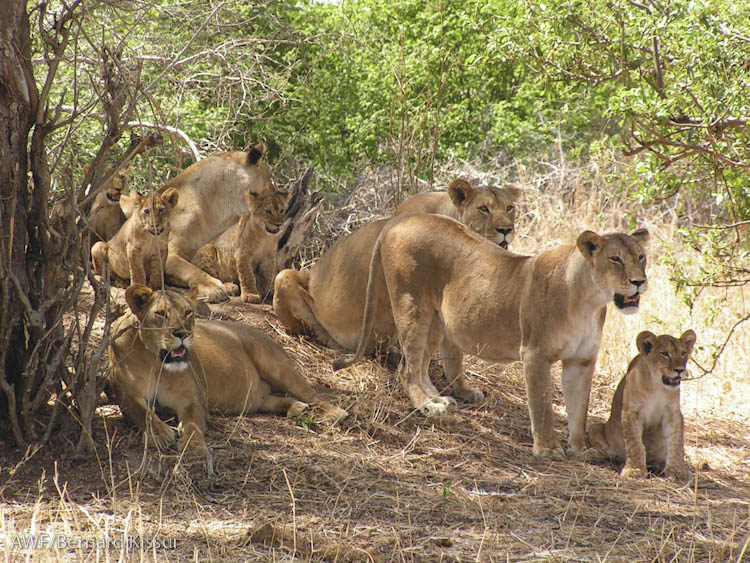
Game drives are the most popular activity in Tarangire National Park. Visitors travel through the park using specially designed 4×4 safari vehicles while guided by experienced safari guides. During the drive, tourists can see a wide variety of wildlife such as elephants, lions, leopards, cheetahs, giraffes, zebras, wildebeests, buffaloes, and antelopes. Tarangire is especially famous for having one of the largest elephant populations in Tanzania. The best time for game drives is during the dry season when animals gather near the Tarangire River searching for water

Cultural Tourism

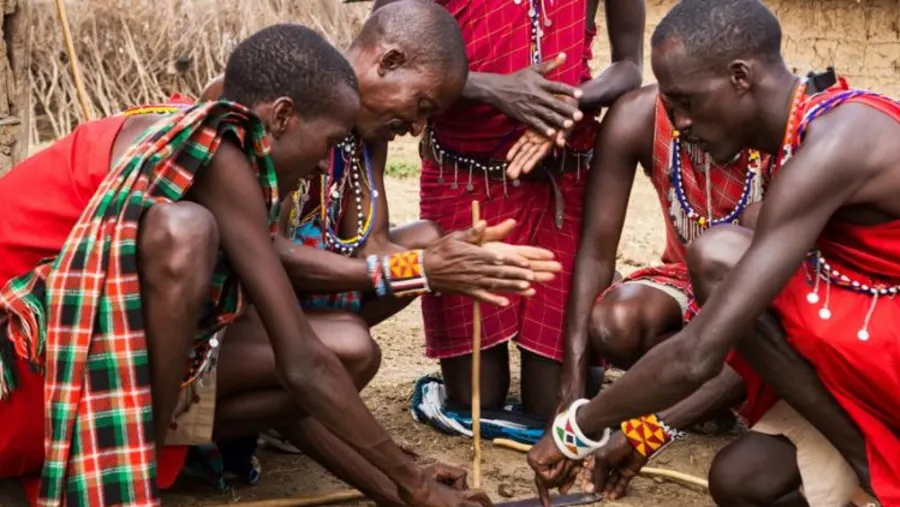
Visitors can participate in cultural tours by visiting nearby Maasai communities around Tarangire. Tourists learn about Maasai traditions, clothing, dances, livestock keeping, local food, and traditional houses called “bomas.” Cultural tourism helps support local communities while allowing visitors to understand Tanzanian culture.

Walking Safaris

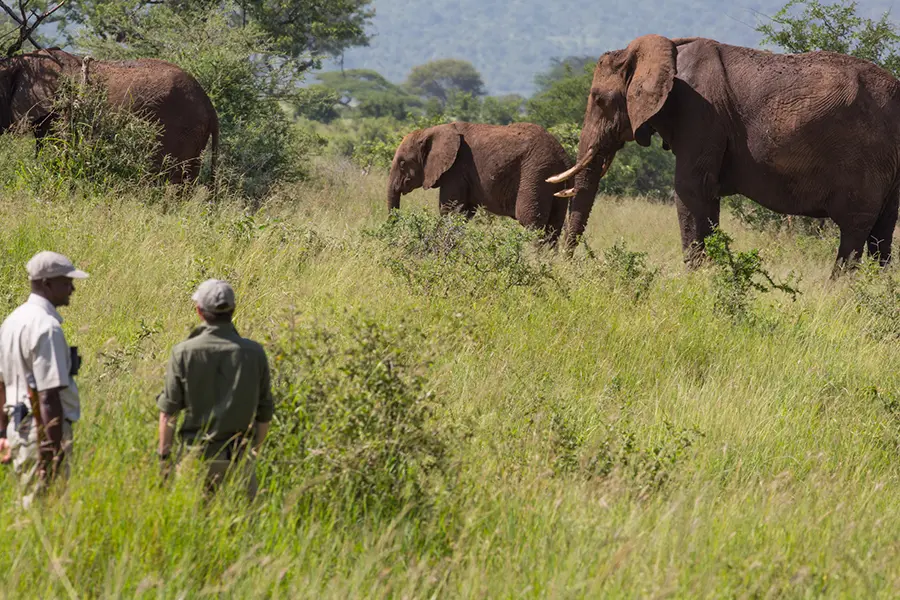
Walking safaris allow visitors to explore nature on foot under the guidance of armed park rangers or professional guides. This activity gives tourists a closer experience with the environment, animal tracks, plants, insects, and birds. Walking safaris also help visitors learn survival skills, traditional uses of plants, and animal behavior in the wild.

Camping Safaris

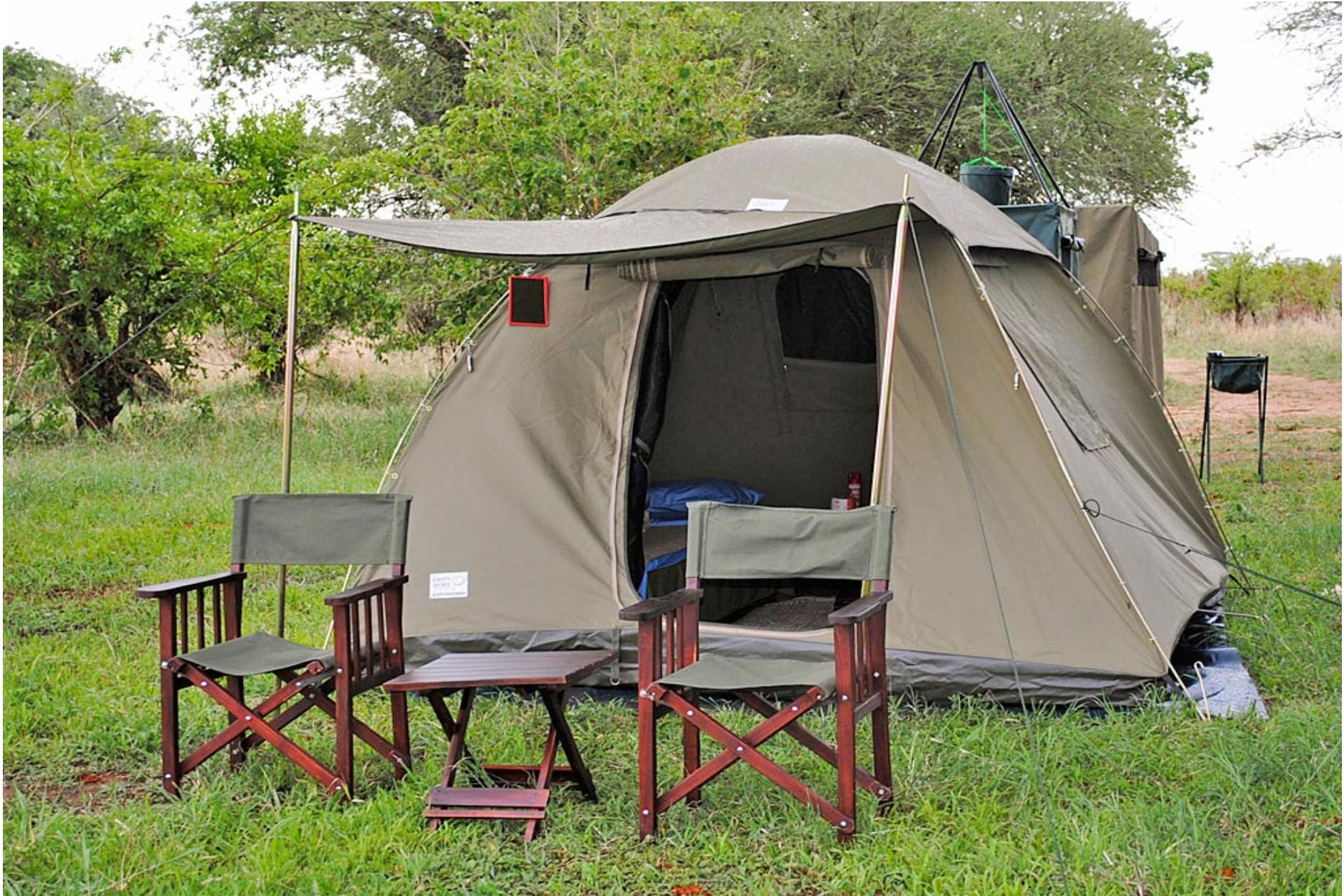
Camping is another exciting activity in Tarangire National Park. Visitors can stay at public campsites, special campsites, or luxury tented camps surrounded by nature. Camping allows tourists to experience the sounds of wildlife at night, enjoy campfires, and connect closely with the natural environment

Bird Watching

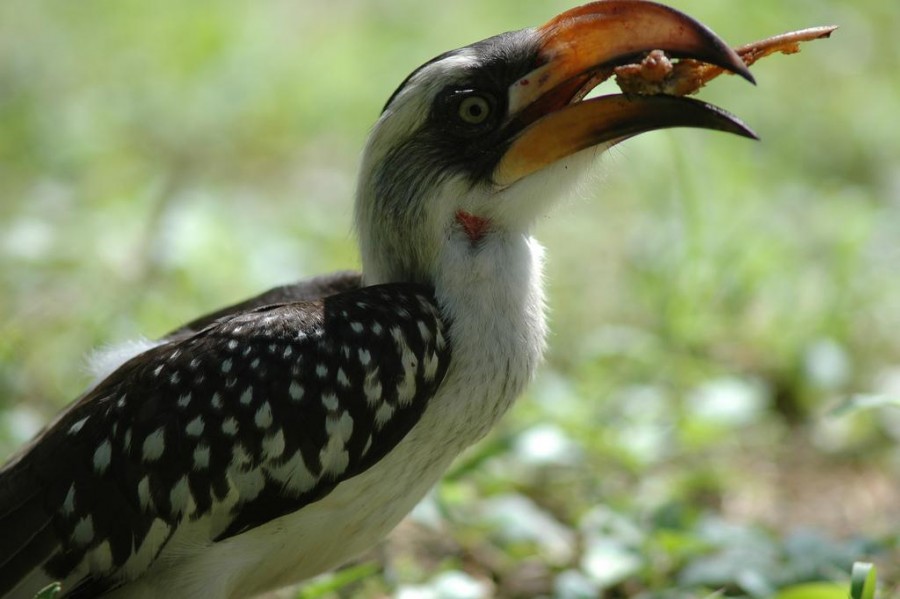
Tarangire National Park is a paradise for bird lovers because it hosts more than 500 bird species. Visitors can enjoy watching colorful and rare birds including yellow-collared lovebirds, ostriches, secretary birds, hornbills, eagles, vultures, and kingfishers. Bird watching is best during the rainy season when migratory birds arrive from different parts of the world. The swamps and river areas provide excellent bird habitats.

Any Questions

Need Help Planning Your Safari?

Plan Your Dream Tanzania Safari Today

Other Related Safari Destinations

Serengeti National Park

Serengeti National Park will always be the number one to click in peoples mind,  where is Serengeti one would ask,

Ngorongoro Crater

Ngorongoro Crater is a large volcanic caldera located in the Ngorongoro Conservation Area, a protected area that spans 

Tarangire National Park

The park derives its name from Tarangire River which runs along at the middle of the park & provides water for animals throughout the year.