Serengeti National Park
Park Overview
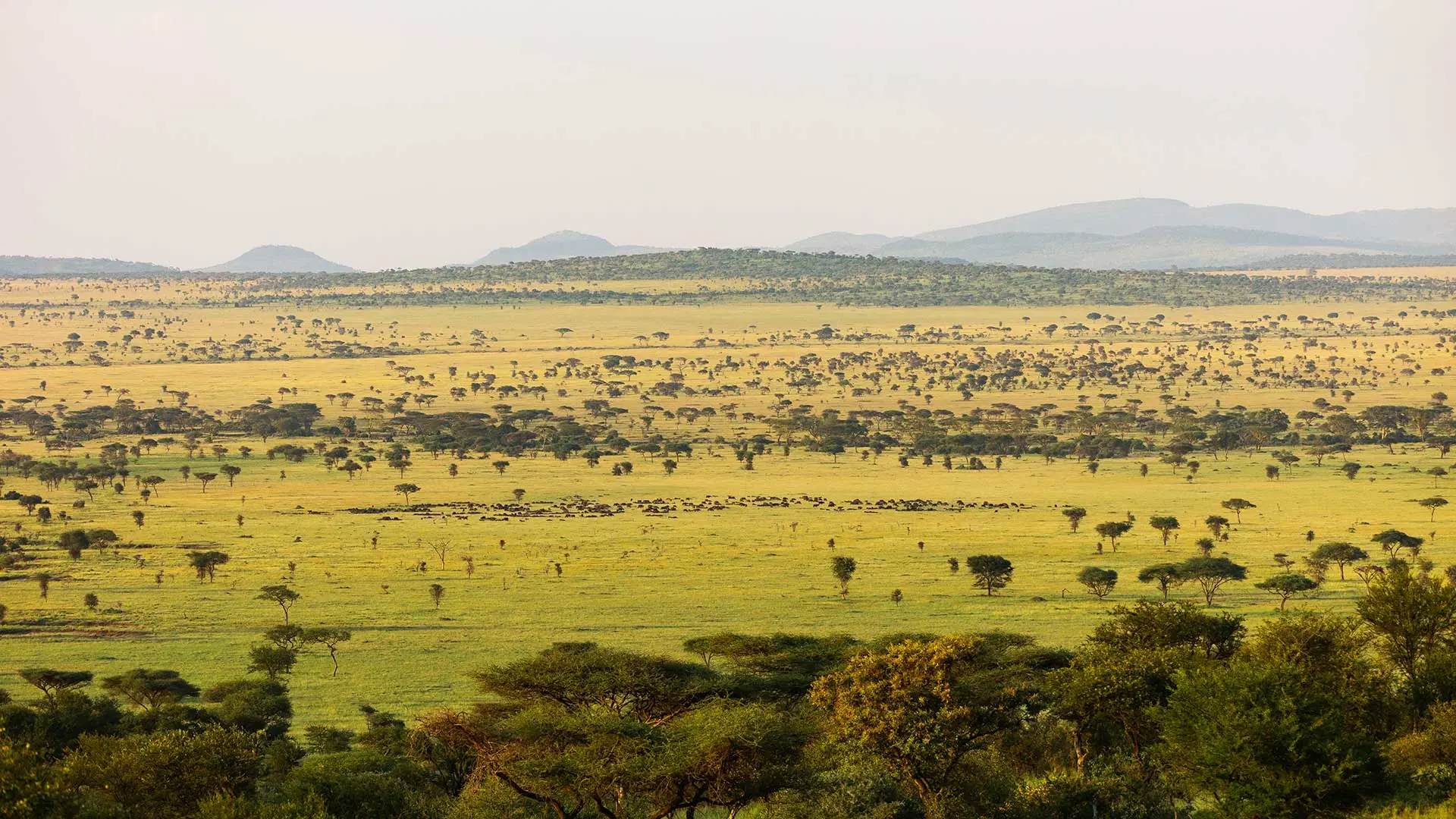
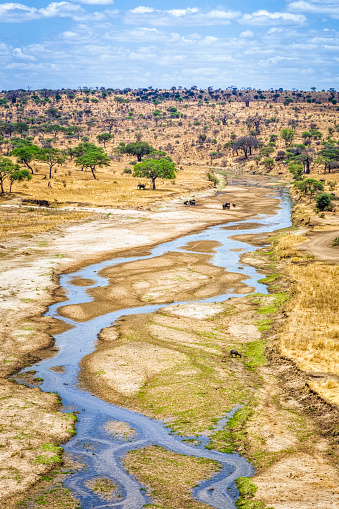
When it comes to safari in Africa especially Tanzania, Serengeti National Park will always be the number one to click in peoples mind, where is Serengeti one would ask, but the answer is plan now to visit this great safari destination and you will never forget the experience. Serengeti National Park is the largest national park in East Africa in a country called Tanzania. Serengeti is home to millions of wild animals, the small and the big.
Serengeti National Park makes what is known as Serengeti Masai Mara Ecosystem which combines several game reserve like, Maswa Game reserve, Grumeti Game Reserve, Loliondo and Ikorongo Game controlled areas as well as a party of Ngorongoro Conservation Area at southern Serengeti . This extension is also includes the Maasai mara Game Reserve in Kenya.
The name Serengeti was derived from the Maasai word ‘Siringet’ by the Maasai nomadic people’s language (maa) that means the endless plains. The word itself is an enough explanation of the legendary African savannah plains. Serengeti National Park was established during the fortress conservation times where two big tribes of Maasai and Kuria were moved out of the Serengeti. Kuria people were forced to go to the areas around Lake Victoria while Maasai were moved towards the southern Serengeti and Ngorongoro, later in 1951 Serengeti was then announced as a national park.
Serengeti National park is Tanzania’s oldest park covering an area of about 14,763 sq km of endless rolling plains, which spread up to the Kenyan border and extends almost to Lake Victoria. The park is flourishing with magnificent wildlife and it is of no doubt that it is the most famous wildlife area in Africa. UNESCO has established two World heritage site and two Biosphere Reserve in this area. It’s unique environment has inspired writers, film makers as well as numerous photographers and scientists.
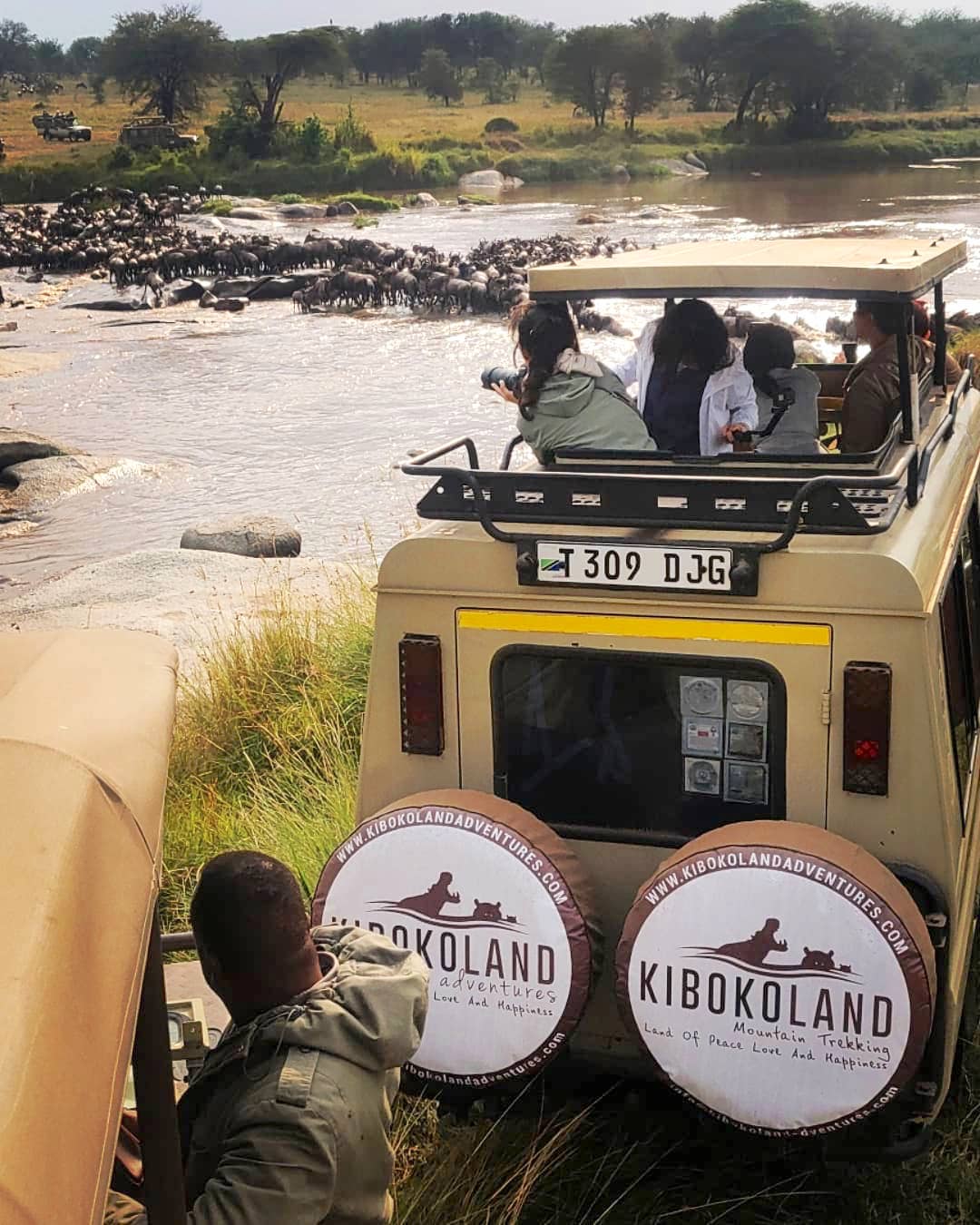
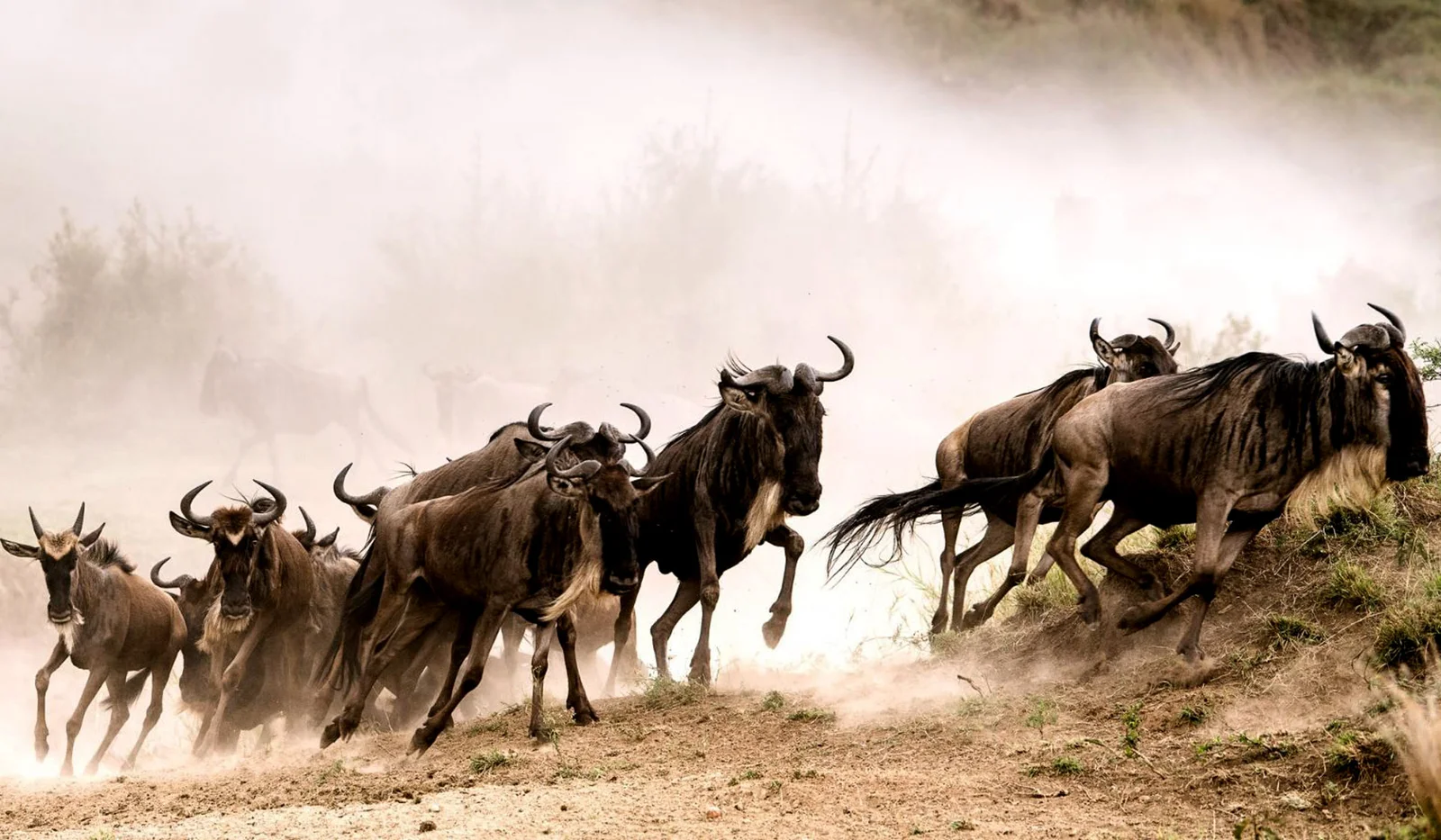
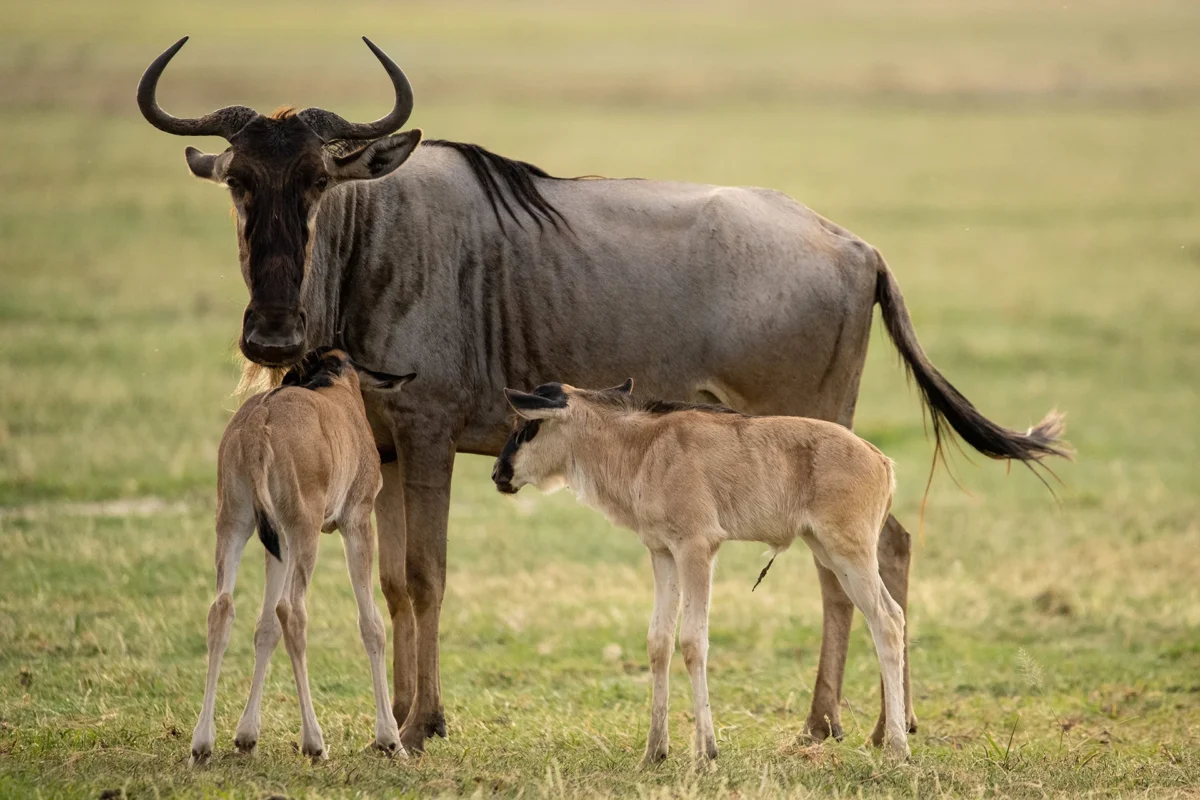
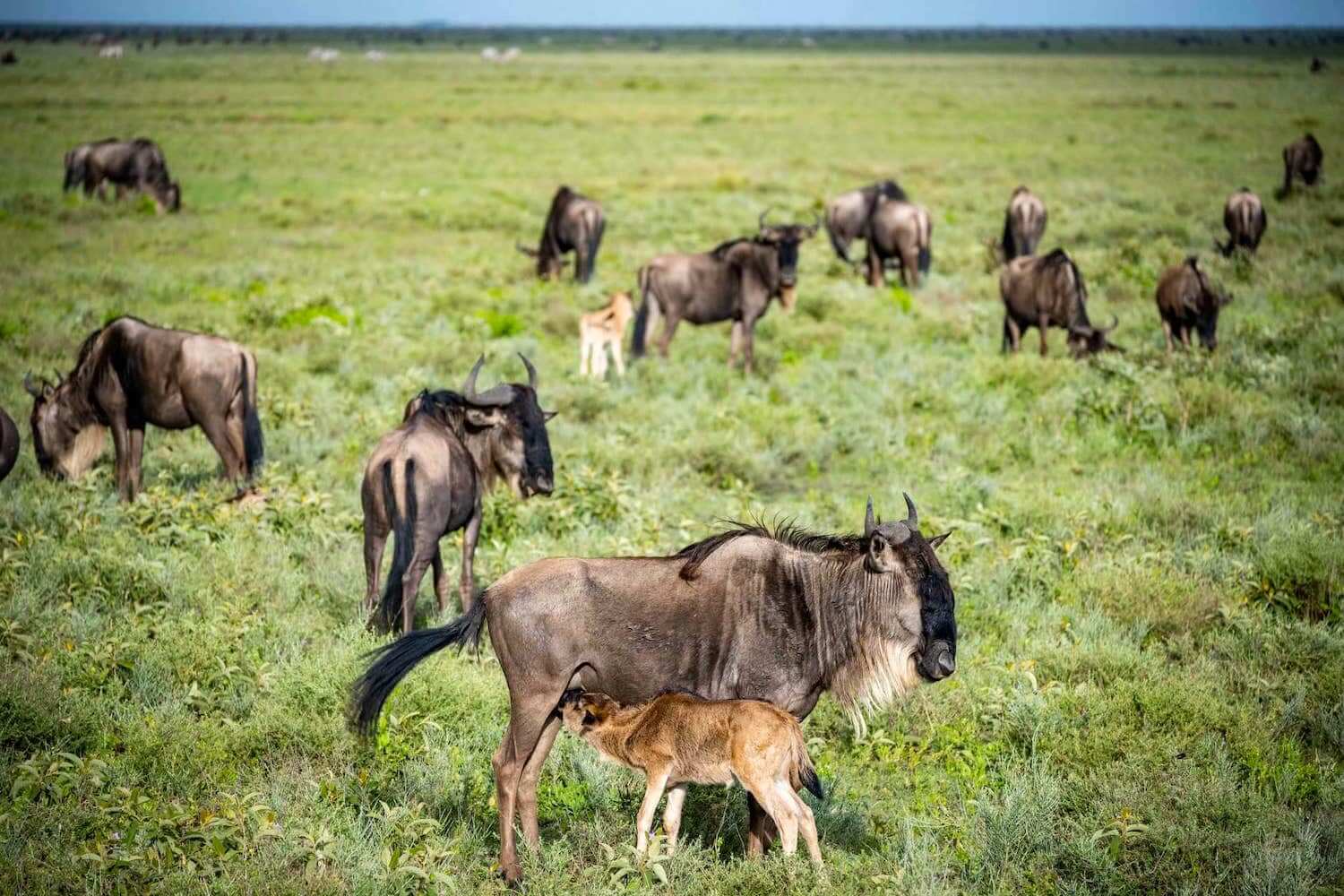
Serengeti is the place where the world renowned Great Wildebeest Migration during the months of November up to Middle of August. The movement of mass wild animal back and forth from Serengeti to Masai Mara in Kenya is an amazing natural phenomenon involving more than one million and a half wildebeests accompanied by hundreds of thousands of zebras and gazelles walking thousands of miles in searching of green pastures and water. Serengeti National Park Wildebeests Migration seems to have outshine the richness of resident animals and bird life that flourish in the Serengeti yearly around but the truth is that the park is always a wonderful place with or without the existence of the migration herds.
The best time to visit Serengeti is still a question as the wildlife richness in the park is undisputed and can be seen throughout the year. Between November to mid-August the immigration of herds are in Tanzania roaming around Serengeti before they return to Masai Mara in mid-August and September, possibly this can be the best time to visit Serengeti park.
The long rainy season usually starts in April and goes up to May generally this rain covers the whole of East Africa however, the rainy is very brief and has been experienced mostly during the nights.It is possible to do our Tanzania Safaris at this time where lodges and Tented camps are lowering their prices, traffic at this time is usually low and the park is uncrowded. Other option is to visit Southern Serengeti during the months of December to March where the migration of herds are crowded at Ndutu plains for giving birth (sycronized birth).
The months of April and May usually are spent at Central Serengeti plains and around Seronera area while June and Mid July it is best time to stay at the Western corridor and around the Grumeti River area. Mid- July to Mid -August you can move to the Northern Serengeti at Bologonja and Lobo areas as well as around Mara River. In months of June and August the area of Ikoma which is outside the Serengeti National park can be a good place for the game drives.
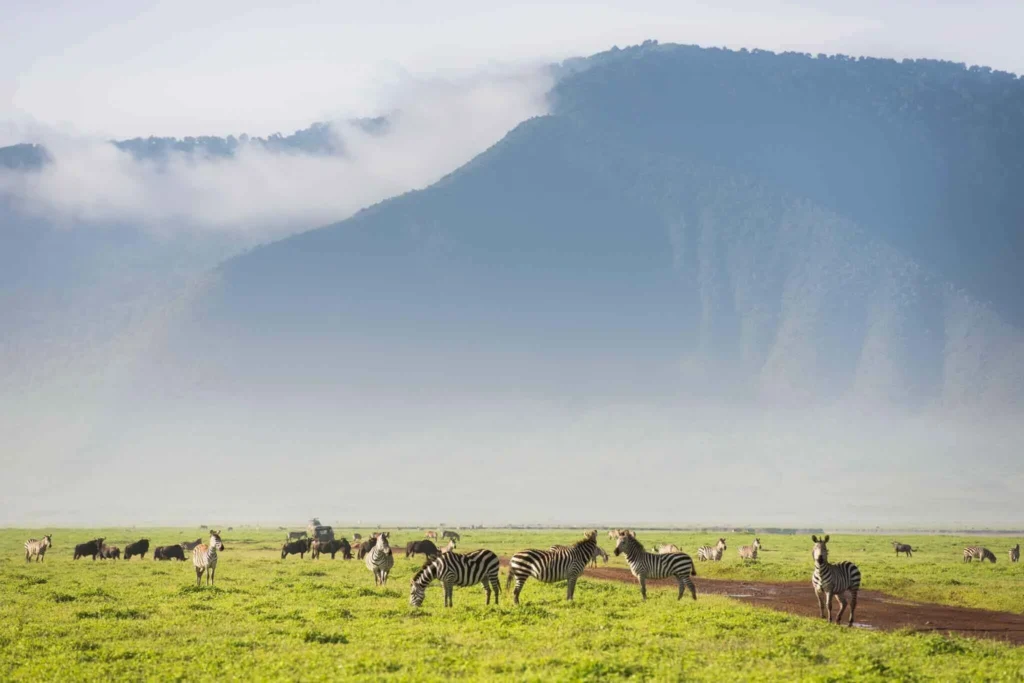
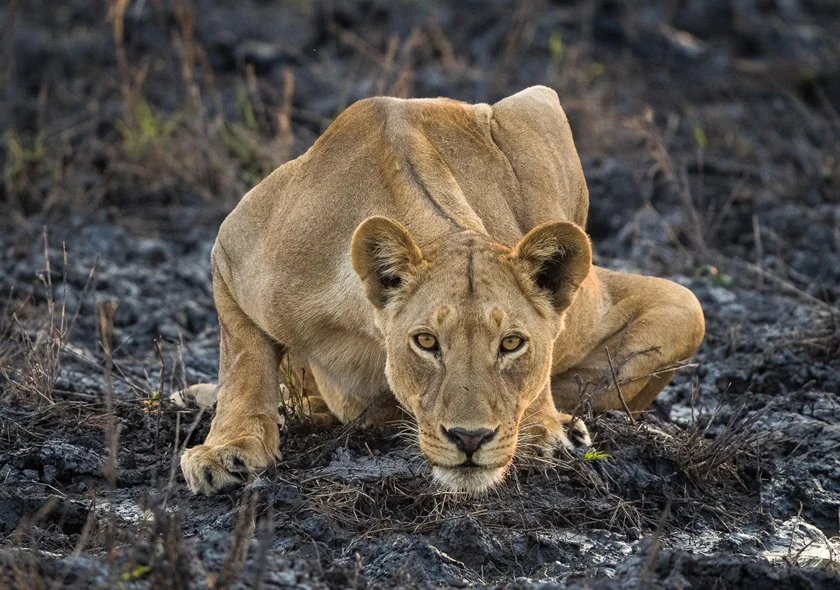
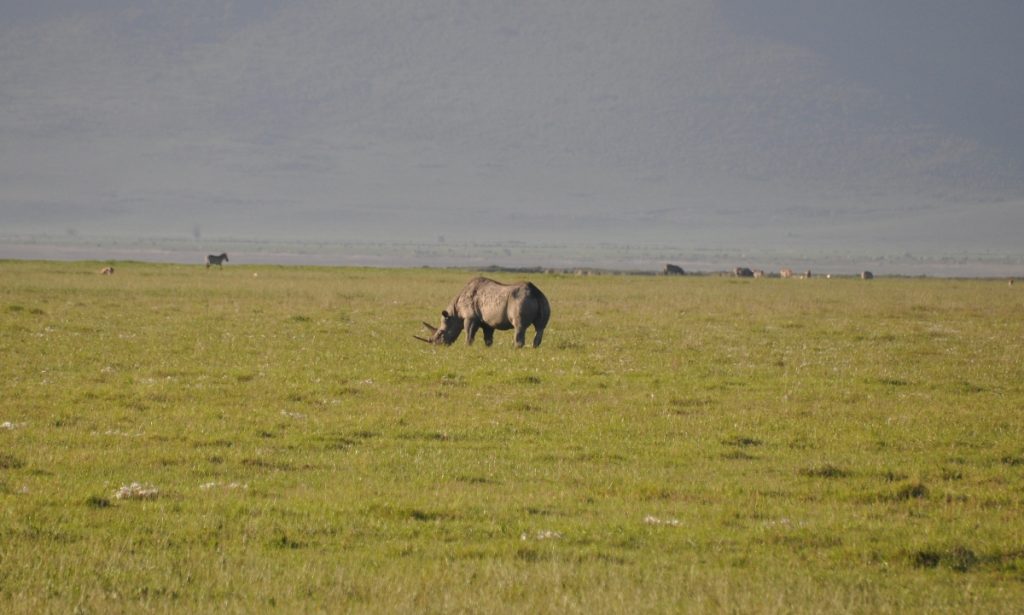
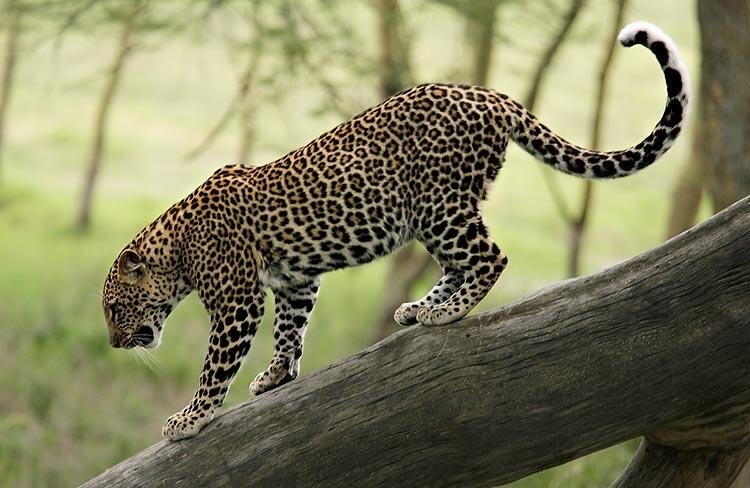
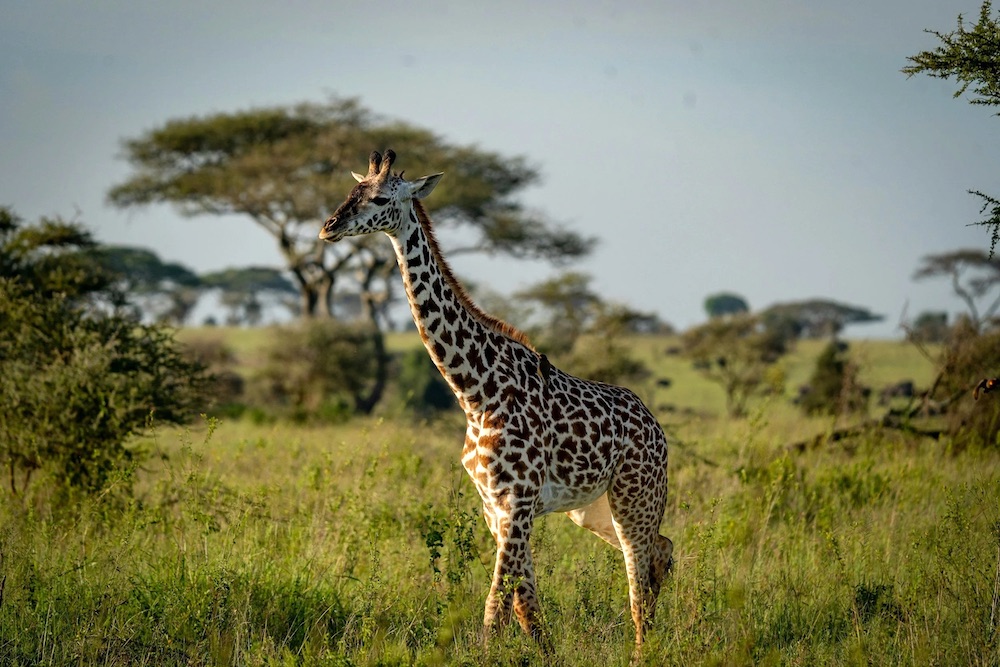
The big five of the African safari can occasionally be spotted in Serengeti following the recently introduction of the Black Rhino. The big five includes the African Elephant, Cape buffalo, Rhinoceros Lion and Leopard. You can expect to see other animals like Zebras, Topi, Eland, Impala, Gazelles, Hyenas, Cheetah, Baboons, Monkeys, Foxes, Silver backed jackals, Pangolin, Pythons, Caracals, Bush pigs, Bush bucks, Bat eared foxes, large birds like Hammer kops, Kori bustards, Secretary birds, Ostriches, in facts Serengeti animals list and birds is endless.
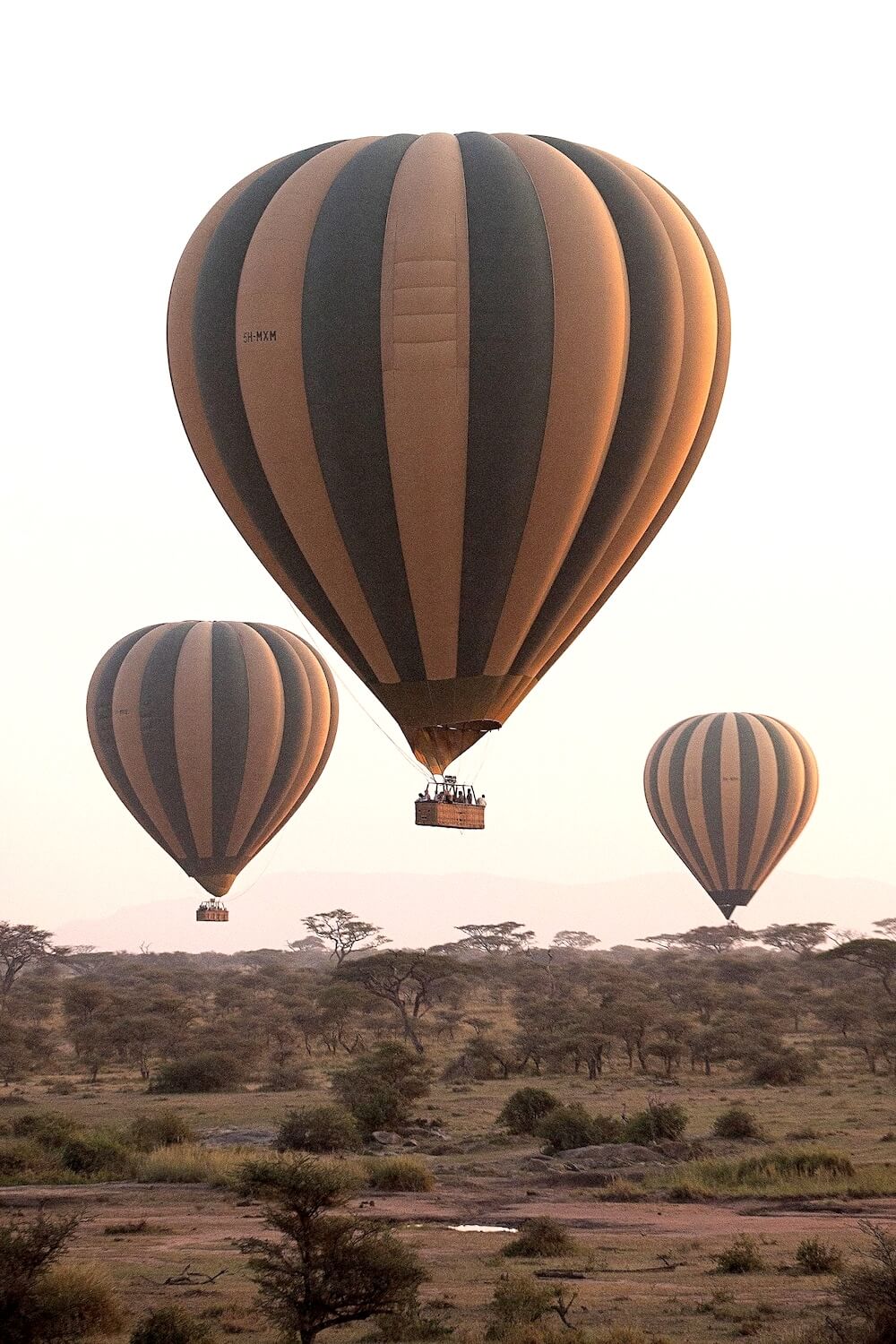
Our Serengeti National Park holiday packages are mostly combine the Northern Tanzania safaris parks of Lake Manyara, Tarangire and the Ngorongoro Crater. However, Serengeti safari can still be done independently starting from 3 days, two nights and above. Serengeti National Park hot air balloon can also be done during your safari in Serengeti but it has to be booked in advance.
Accommodation in Serengeti can be rated to fit your budget, needs, and aspiration. You can stay in Lodges, Camps or campsites and enjoy our wild Tanzania. Our Safari experts can advise you on where to go and to stay based on your budget. On our person experience, we value first hand experience and consistent inspection. Serengeti National Park Shall Never Die!

Game Drives
Game drives are the heart of any Serengeti safari, typically done in the early morning and late afternoon when wildlife is most active.
You’ll traverse open plains, riverine forests, and kopjes (rocky outcrops), encountering predators like lions, cheetahs, and leopards, as well as large herds of elephants, buffaloes, and antelope. Expert guides help track animals and interpret behavior, turning each drive into a deeper learning experience.
The Great Wildebeest Migration
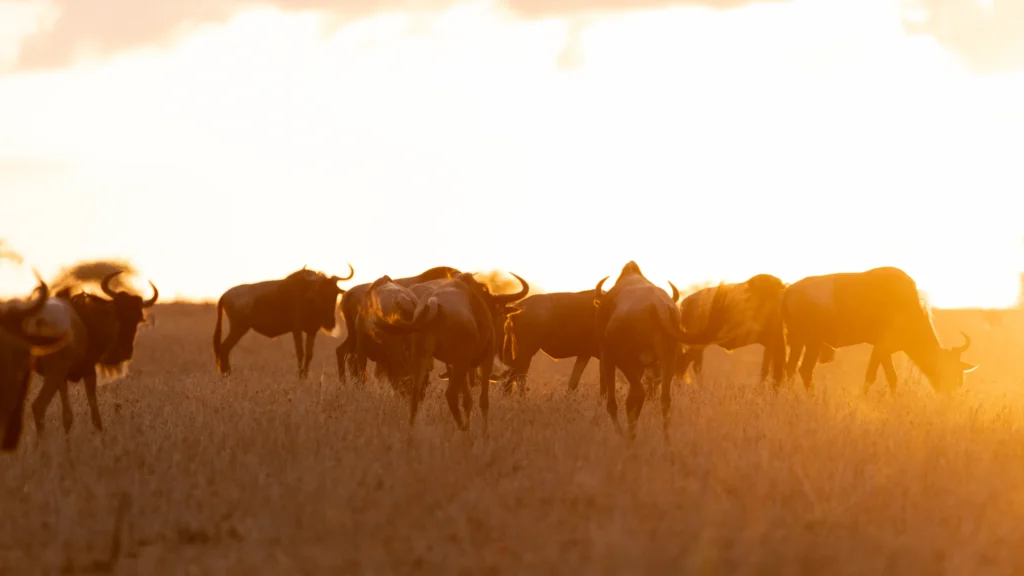
This world-famous movement involves over 1.5 million wildebeest, accompanied by zebras and gazelles.
Depending on the season, you may witness calving in the southern plains (January–March), dramatic river crossings in the north near the Mara River (July–October), or vast columns of animals moving across the central Serengeti. It’s not just about numbers—it’s a powerful display of survival, with predators always close behind.
Hot Air Balloon Safari
A sunrise balloon safari offers a peaceful and panoramic view of the Serengeti. As you float above the plains, you may spot herds moving below, elephants wandering through acacia woodlands, and rivers cutting through the landscape.
The experience ends with a champagne bush breakfast set in the wilderness—an elegant contrast to the raw nature around you.
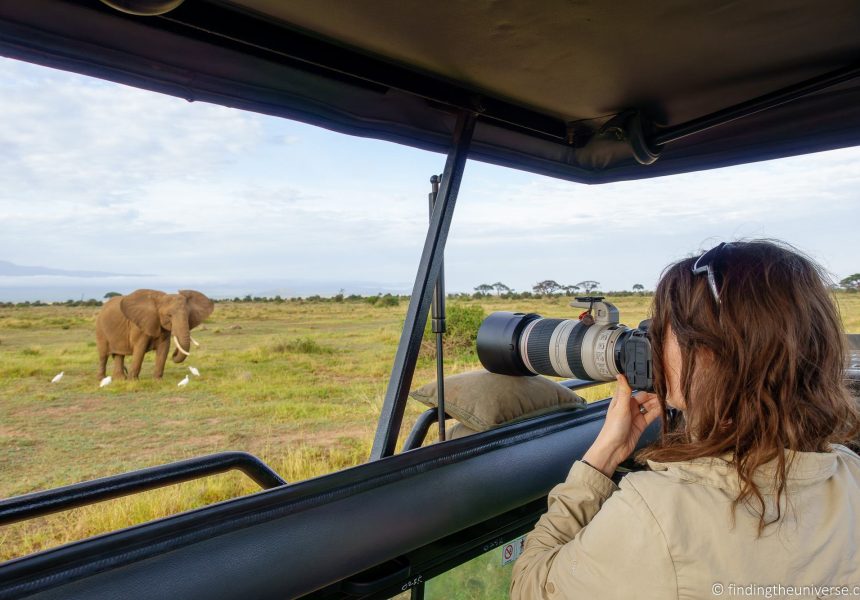
Photography Safaris
With its golden light, open landscapes, and dramatic wildlife encounters, the Serengeti is a dream for photographers. Specialized photography safaris often include custom vehicles, flexible schedules, and guides who understand positioning and lighting to help you capture exceptional shots.
Bird Watching
The Serengeti is home to more than 500 bird species, making it a rewarding destination for both casual observers and serious birders.
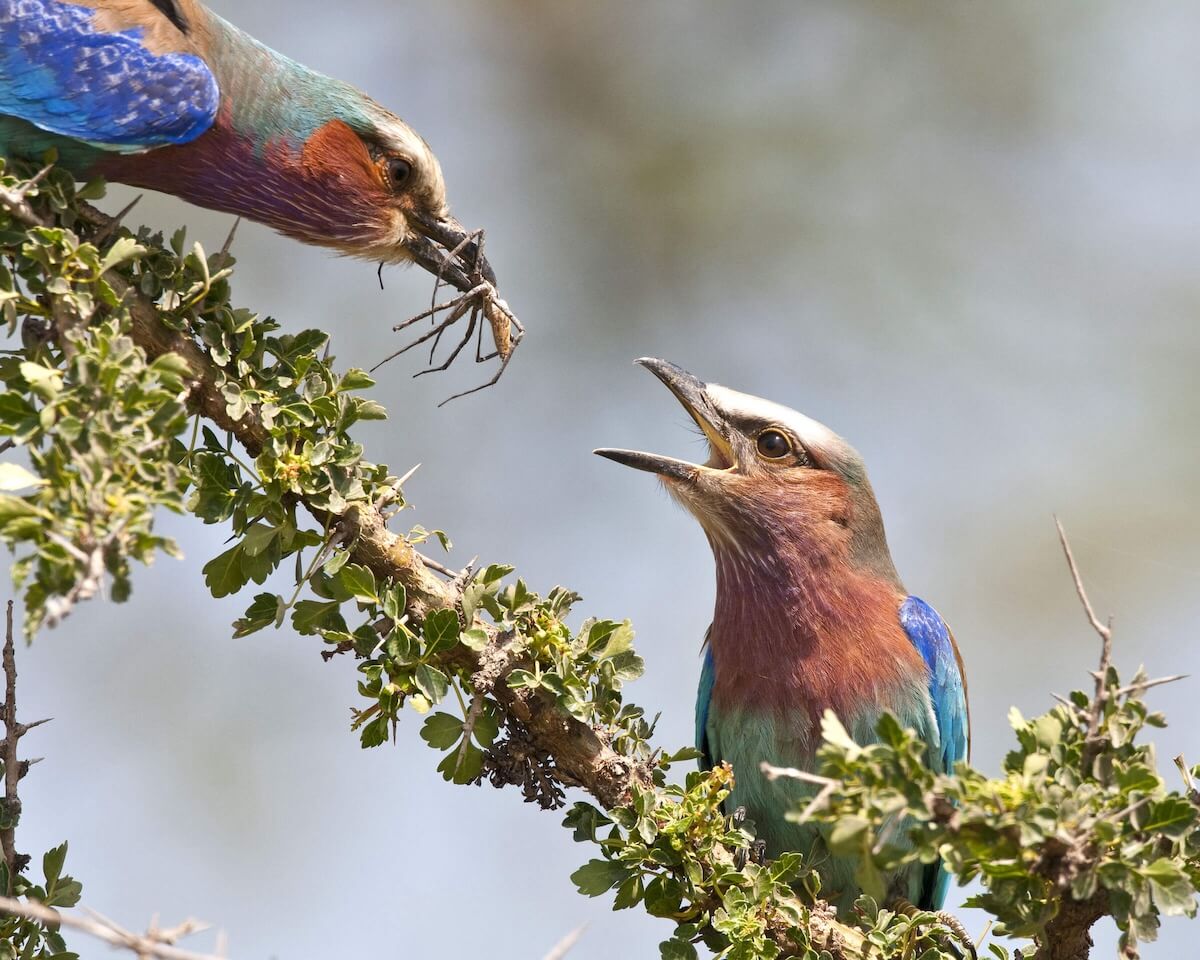
You’ll see everything from large ostriches and secretary birds striding across the plains to colorful species like the lilac-breasted roller. Migratory birds are present from October to April, adding even more diversity.
Any Questions
Need Help Planning Your Safari?
- +255 620 887 492
Plan Your Dream Tanzania Safari Today
Other Related Safari Destinations
Serengeti National Park
Serengeti National Park will always be the number one to click in peoples mind, where is Serengeti one would ask,
Ngorongoro Crater
Ngorongoro Crater is a large volcanic caldera located in the Ngorongoro Conservation Area, a protected area that spans
Tarangire National Park
The park derives its name from Tarangire River which runs along at the middle of the park & provides water for animals throughout the year.